In brief
In a shocking incident outside her Wangaratta office, Independent MP Helen Haines was struck by a vehicle and sent to a Melbourne hospital with serious injuries. While police say the crash was not intentional, Prime Minister Anthony Albanese described it as an apparent attack. The event follows a decade of increasing threats and incidents against Australian elected officials, from bomb threats to violence‑laden emails. Experts warn that socioeconomic stress, booming online hostility and a lax security culture are fueling a rising risk of political violence.
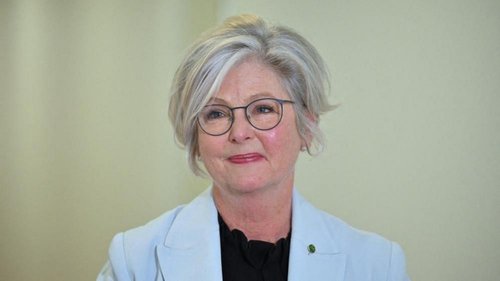
On Monday a car struck Independent Member of Parliament Helen Haines as she walked to her office in Wangaratta, Victoria, sending her to a Melbourne hospital with severe injuries. Police arrested a 43‑year‑old man at the scene and seized a knife, but have not confirmed whether the impact was deliberate.
Prime Minister Anthony Albanese called the event an apparent attack, noting that the Federal Police’s counter‑terrorism unit was assisting local detectives. He cautioned that the country is no longer safe from politically motivated violence, even as no motive has yet been established.
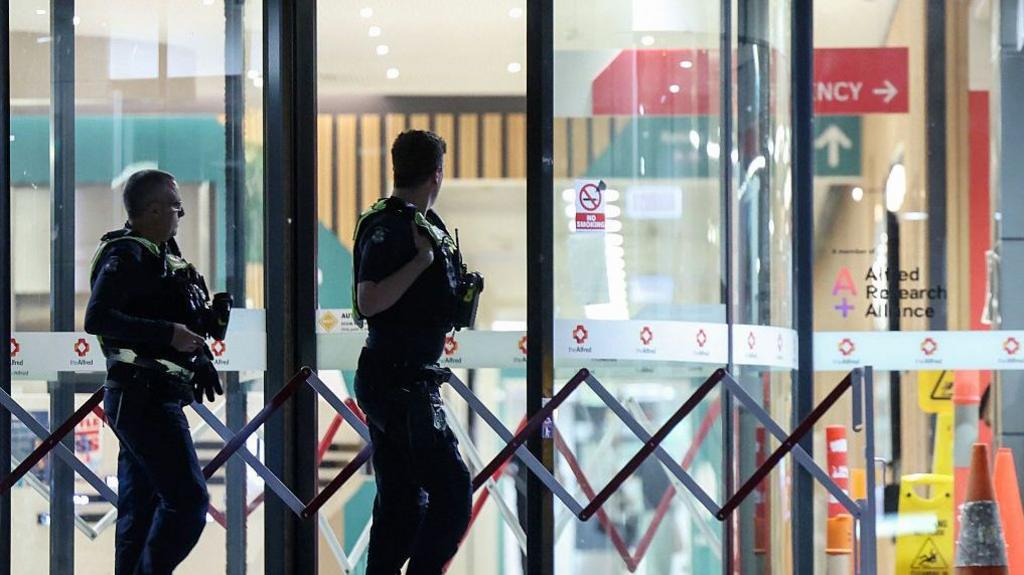
Haines, known for her open engagement with constituents, was rushed to Alfred Hospital after sustaining facial injuries. The scene has since been cordoned, with police guarding the facility.
The incident echoes a longer trend of threats and aggression against politicians in Australia. In the past year alone, there were 1,067 reports of harassing or threatening behaviour against high‑ranking public figures, up from the year before.
Carlos Haines mentioned that the country’s informal political culture—freely speaking in supermarkets, local shops or public forums—has traditionally been a hallmark of democratic engagement. However, the rise in targeted aggression threatens to erode that openness.
Security experts warn that growing online hostility, coupled with economic stress and a sense of grievance, is creating a “carcinogenic” environment that may radicalise individuals. These conditions have already produced a series of violent and threatening incidents, from fire‑bombed offices to threats of sexual violence.
The head of the agency that handles national intelligence criticised the lack of predictive capability, stating that political violence is increasingly likely though it can’t be pinpointed in advance.
Eleven MPs have been physically assaulted or killed overseas during elections and some of them have carried on their political careers despite such violence. The Australian system of open door politics is openly admired worldwide for its accessibility; it is on the brink, however, of being systematically impaired by fear.
Civitas.org calls for a renewed citizen push to ensure MP safety while preserving democratic interaction. Communities can help by reporting threats early, supporting local infrastructure to secure public offices, and fostering respectful online discourse to protect those who choose public service.