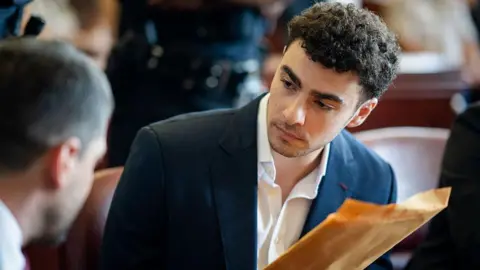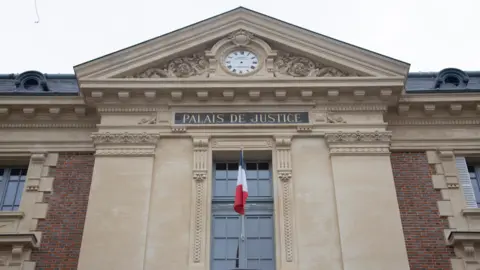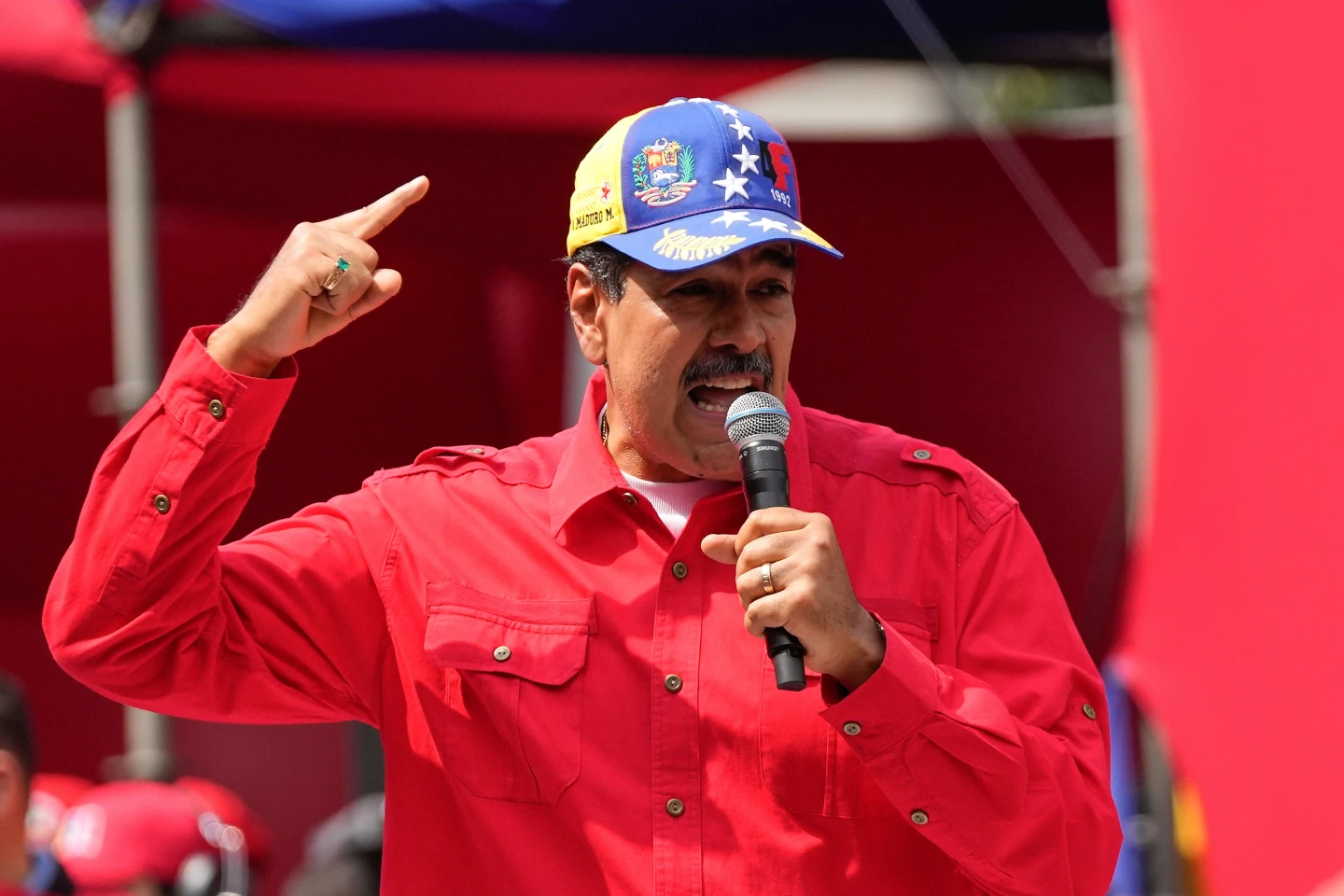
NEW YORK (AP) — Former Venezuelan President Nicolás Maduro returned to a New York courtroom Thursday, seeking to have his drug trafficking indictment dismissed due to a geopolitical dispute over legal fees.
Maduro’s lawyer argued that the U.S. is violating the deposed leader’s constitutional rights by blocking Venezuelan government funds, which are restricted from being used for legal costs.
This marks the first court appearance for Maduro and his wife, Cilia Flores, since a January arraignment. During that appearance, Maduro protested their capture by U.S. military and declared: “I am not guilty. I am a decent man, the constitutional president of my country.” Flores also entered a not guilty plea.
Both remain detained at a Brooklyn center, having not applied for bail. Judge Alvin Hellerstein has not yet scheduled a trial date, which may occur at the current hearing.
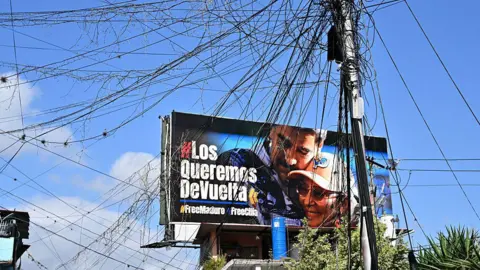
At 63, Maduro, alongside 69-year-old Flores, continues to garner support within Venezuela, with murals across Caracas advocating for their return. However, despite the ruling party remaining in power, Maduro is increasingly sidelined by Delcy Rodríguez, Venezuela’s acting president.
Rodríguez has replaced prominent Maduro loyalists, reorganized governmental departments, appointed new ambassadors, and altered state media formats, moving away from the lengthy broadcasts typical of her predecessor.
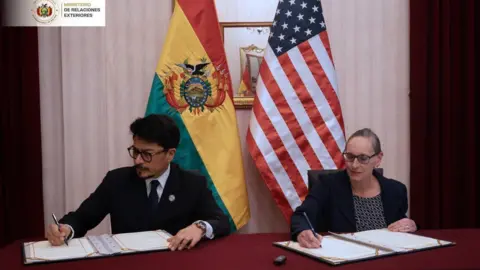
Recent developments have seen Venezuela reestablishing diplomatic relations with the U.S., previously severed during Maduro's term, amid lowered sanctions affecting the oil industry and a U.S. chargé d’affaires sent to Caracas.
However, Maduro’s legal challenges persist. In a filing last month, Maduro’s lawyer revealed that the U.S. Treasury reversed a decision allowing Venezuela to fund his legal fees less than three hours following its approval.
Prosecutors state that while Maduro and Flores may use personal funds, they cannot utilize sanctioned government accounts for legal expenses. The former president claims he cannot afford legal representation, as successfully obtaining taxpayer-funded assistance would necessitate proving his financial inability.
Both Maduro and Flores were apprehended on January 3 during a raid at their Caracas residence.
Their indictment alleges collaboration with drug cartels to facilitate cocaine shipments to the U.S. They are also accused of orchestrating violent acts, theoretically facing life sentences if convicted.
Back in Venezuela, everyday life for many remains dire, with public sector wages averaging just $160 a month and inflation soaring to 475% last year, placing basic commodities out of reach for the majority.
___
Garcia Cano contributed to this report from Caracas.