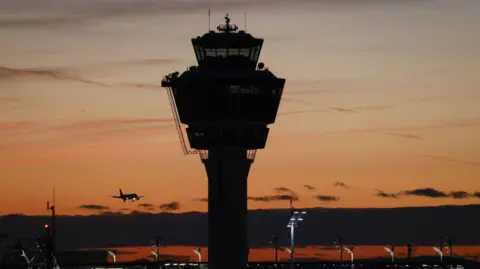
The federal government has announced plans to replace 612 aging radar systems used in the nation's air traffic control, with new installations scheduled by the summer of 2028. This upgrade is part of an extensive overhaul designed to enhance safety and efficiency across US airspace management.
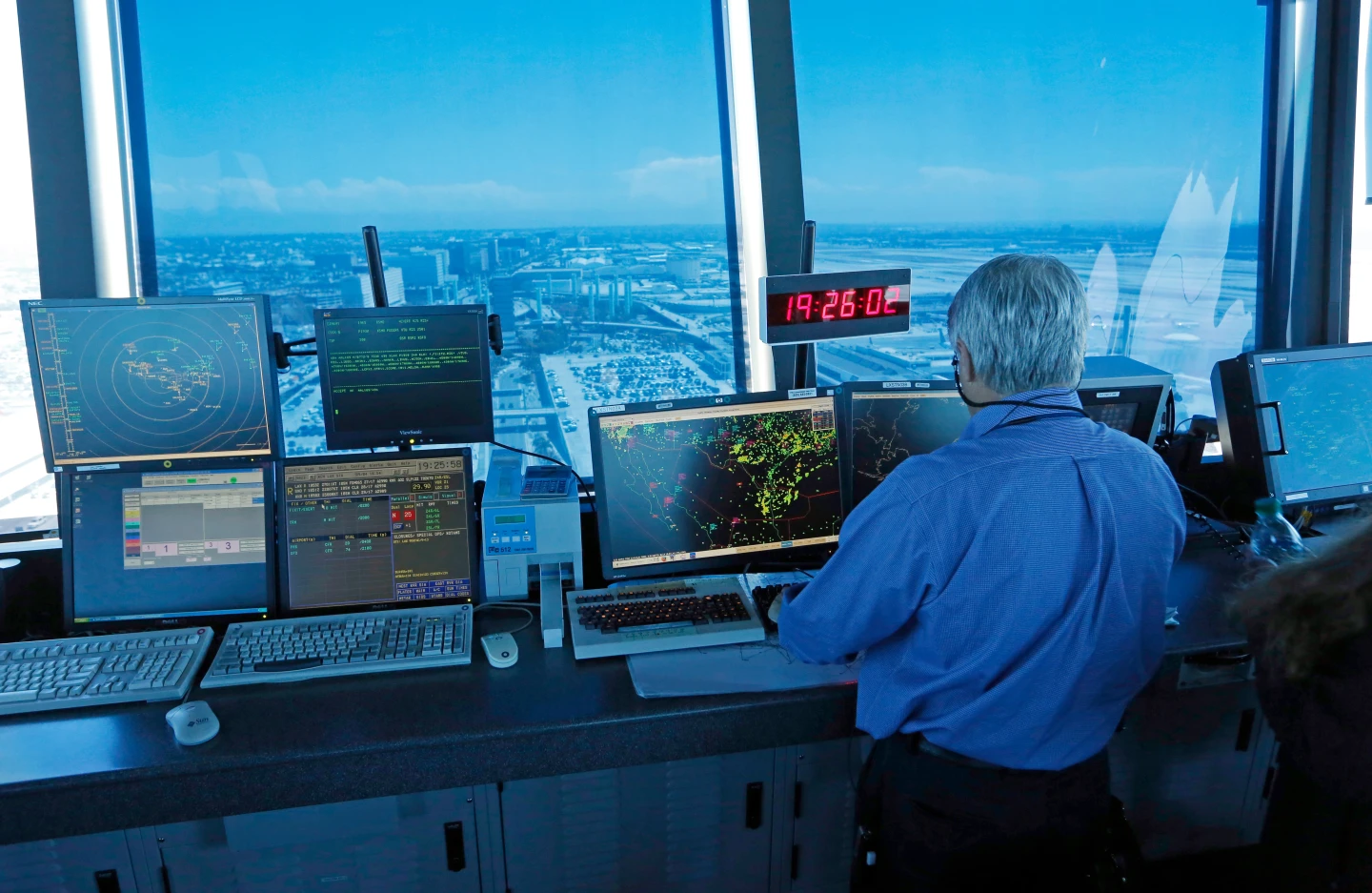
Transportation Secretary Sean Duffy and the Federal Aviation Administration (FAA) revealed that the contracts for the new systems were awarded to RTX and the Spanish firm Indra. Duffy emphasized the challenges faced with the current radar network, which is over three decades old, saying that many units are difficult to maintain and require frequent repairs.
According to FAA Administrator Bryan Bedford, the outdated radar systems have exceeded their intended service life, leading to increased maintenance costs and complications in sourcing spare parts. Some repairs have even involved searching for obsolete components online.
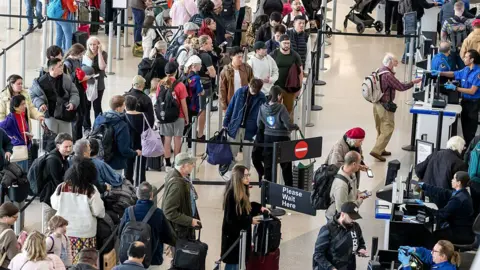
The urgency for this overhaul became apparent two instances last spring when radar failures severely impacted operations at Newark Liberty International Airport, causing thousands of flight cancellations and delays.
While redundancy in the radar network usually ensures safety, there have been occasions when both primary and backup systems failed, raising alarms within the aviation safety community.
The FAA has committed over $6 billion of the $12.5 billion allocated by Congress for the overhaul, but estimates suggest an additional $20 billion may be necessary to complete the project. Recent upgrades have included replacing outdated copper wiring with modern fiber optic connections, and a national security contractor, Peraton, has been hired to manage the overall effort.
As the FAA transitions to new technology, they urge swift action to avoid any further safety risks associated with the aging systems that have been in operation for decades.