In brief
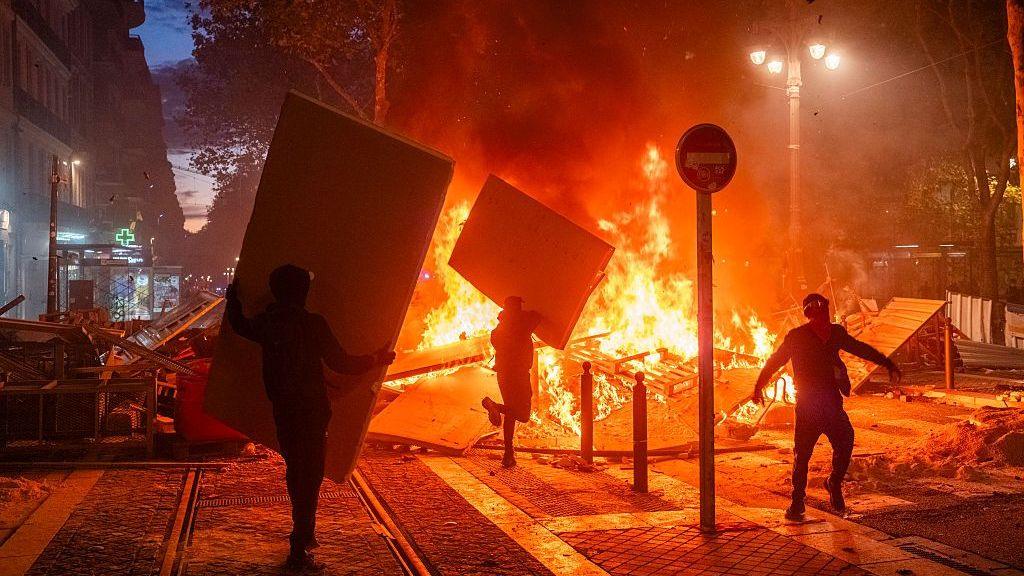
The weekend’s riots in Marseille turned streets into battlegrounds, with fires, looted boutiques and hundreds of damaged premises. Police suffered over a hundred injuries, while 101 arrests – a quarter of them minors – were made. The city imposed a curfew and banned public gatherings, yet tension remains high as more protests loom. Amid the turmoil, local youth and community leaders debate violence, solidarity, and the need for systemic change. The events spotlight deep social fractures in France’s diverse port city.
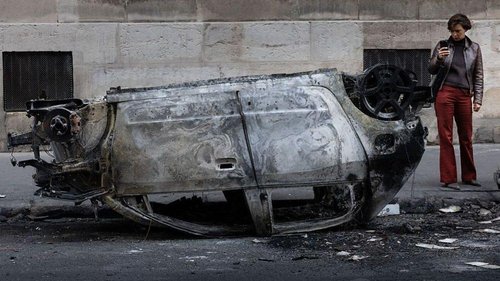
Thunder and lightning lit Marseille’s night as chaos erupted, illuminating shattered storefronts and boarded‑up shops that line the city’s historic streets.
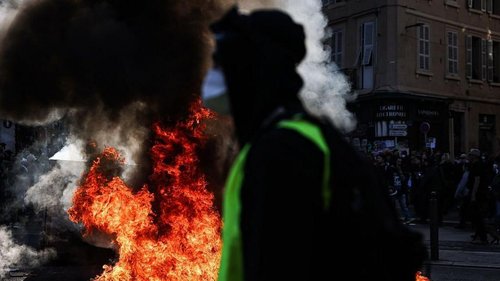
More than 500 premises were damaged across the city, with the majority raided as protesters turned to looting. A police union boss called Saturday a “apocalyptic hell” and reported 118 officers injured – more than a tenth of the national total.
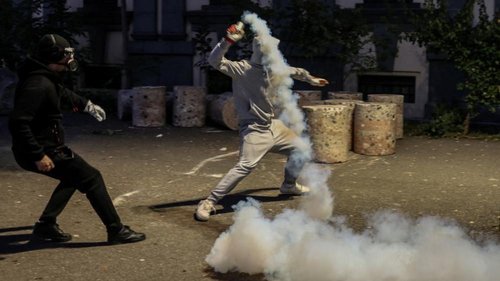
Police now dominate the streets, having banned public gatherings for eight hours and instituted overnight curfews in parts of Marseille to curb further violence. The ban follows 101 arrests, a quarter of them children, and a surge of tear‑gas use.
The unrest began in late September as a student protest over school conditions escalated, further widening into broader grievances about the cost of living and systemic inequalities. Young people from deprived northern suburbs were seen taking advantage of the chaos, a pattern described by police as “unheard‑of” violence. Local law‑enforcement acknowledged the exhausted use of ammunition, triggering a retreat.
“The Black Blocs provoked, and the youngsters took advantage to start looting,” warned Arnaud Blaise from the UN1TE police union, condemning the abuse of outrage by far‑left agitators. He insisted officer injuries exceeded those of students, stressing that the use of 4,000 tear‑gas grenades ran out and forced a withdrawal.
Marseille’s Socialist mayor, Benoît Payan, demanded answers from the national government after the city hall was briefly seized. He called the response a fiasco and urged radical changes in policing tactics, warning that without a clear focus on the roots – such as high school protest dynamics – looting scenes would repeat.
In the streets, students and community members reflect on the limits of violence. Maryame, a 18‑year‑old student, expressed both fear and frustration, pondering whether escalating violence might make the government listen. She spoke of France’s revolutionary heritage and how sometimes “it goes too far.”
Community voices like elder Chantal Bellanger echo warnings about a lost generation propelled into anger and despair, describing how public services, hospitals, and education are in crisis, particularly in peripheral neighbourhoods.
While curfews and bans have stalled the violence momentarily, more demonstrations are slated for the weekend, leaving Marseille and other affected cities on high alert as France grapples with mounting civil unrest and demands for meaningful reform.