In brief
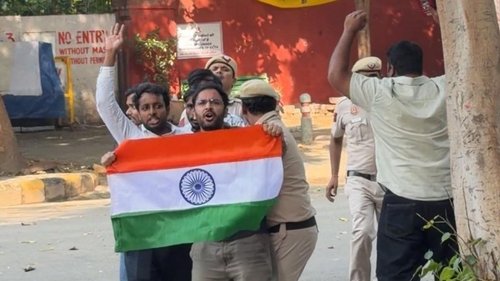
For a week straight, Tirana has seen high school and university students, frustrated over university conditions and corruption, clash violently with riot police. 295 people have been hurt, including 186 police officers. Prime Minister Edi Rama urges a technocratic government while accusing protesters of radicalization by external forces. Human rights lawyers report chaotic arrests and lack of evidence, while activist Sidorela Vatnikaj highlights the protests’ grassroots nature and the protesters’ fear of being silenced.
For seven days in a row the capital has been a scene of confrontation between a swelling wave of students and the state’s riot police.
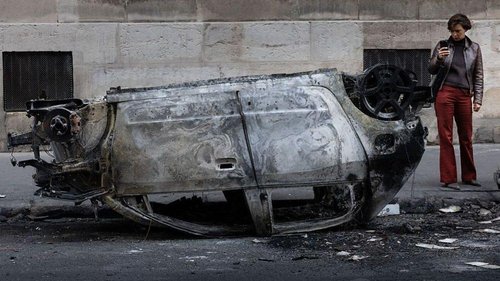
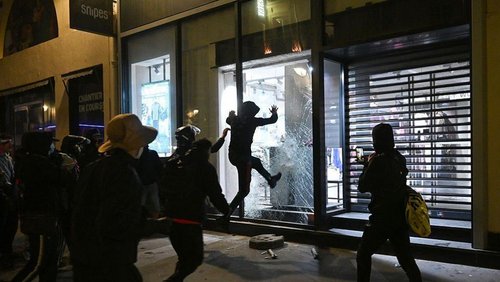
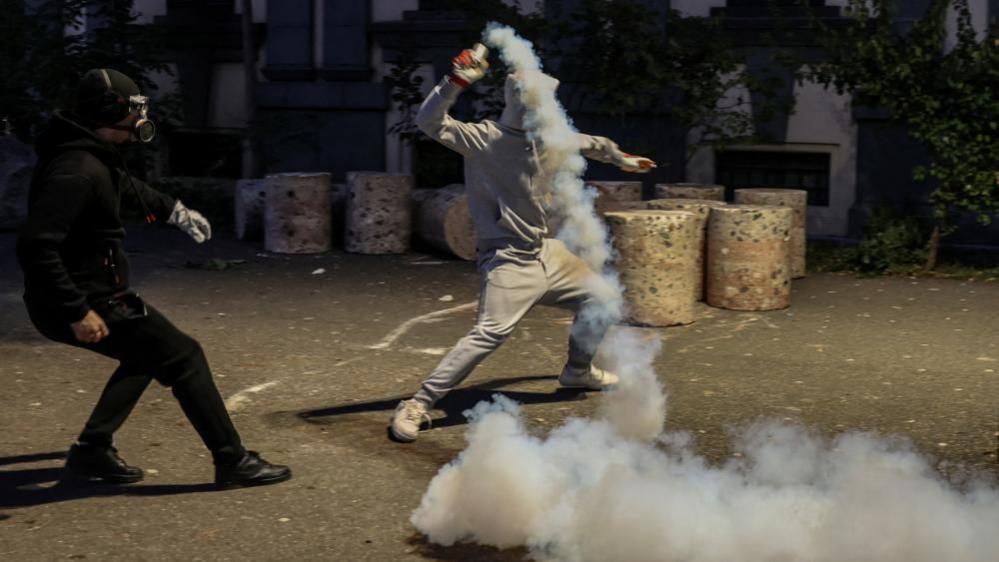
In the city’s centre, protests have turned into street battles that have left 295 people wounded, including 186 officers.
Prime Minister Edi Rama, speaking to police chiefs, blamed the unrest on external influences and warned that any concession would mean the collapse of the state. He criticised the demonstrators for their “radicalisation by dark forces” and called Albania a target of coordinated attacks.
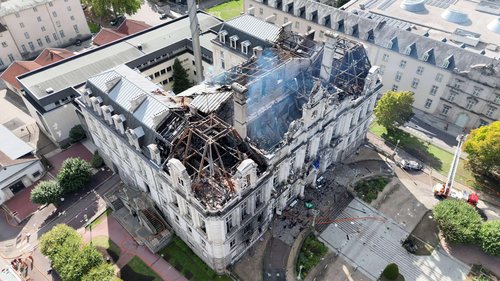
The protests, driven by demands for improved university conditions and grievances over corruption, have included attacks on a police station and government buildings. Rioters used stones, booby‑trapped cobblestones and homemade tear‑gas sprays in an attempt to overwhelm the police’s water cannons and tear‑gas canisters.
Witnesses report that police advanced with armoured trucks, firing water cannons and tear‑gas over the fleeing crowds. A small café became a makeshift refuge, yet even the waiters’ eyes streamed with tear‑gas.
Human rights lawyer Gentian Sejrani criticised police conduct as chaotic and said the authorities rarely present evidence in court, noting that many arrested individuals were unrelated to the protests. He explained that the fastest runners are often the ones who escape punishment.
Activist Sidorela Vatnikaj, a master’s student with eight years of protest experience, described her role as coordinating groups, securing legal aid, first‑aid kits and checking on friends and family. She stressed her discomfort with violent clashes, but blamed police for fueling the conflict.
When asked what would happen if Russia resigned, Vatnikaj expressed hope for a technocratic interim government for one year to prepare for genuinely democratic elections. She accused Rama of rigging elections and linking with foreign investors and organised crime.
The protests are part of a broader conversation across Europe and the United States that encourages new generations of voters to fight for transparency and accountability. Yet the nation now faces a deep divide between its long‑term leaders and a restless youth willing to risk violence for change.