Mass Layoffs in Iran: The Economic Toll of Ongoing Conflict
Iran has been hit by a massive wave of redundancies, both directly and indirectly as a result of the conflict with the US and Israel. Its Deputy Work and Social Security Minister, Gholamhossein Mohammadi, stated that two million people have lost their jobs because of the war, igniting widespread discussions on social media about the issue.
The layoffs are characterized by employers and government officials as measures to 'balance the workforce,' but the reality extends beyond these euphemisms. The impact reaches factories that have been bombed, alongside related manufacturers, retailers, imports, exports, and even the digital sector.
Users on social media note the dramatic changes in daily life: from emptier metro stations to fewer cars on the roads. The war has also markedly diminished consumer spending, with essential purchases taking precedence and affecting sectors like tourism and retail.
An internet blackout imposed by authorities since the beginning of the war has hindered economic activity, particularly for the tech and digital sectors, which had been relatively thriving before the conflict.
In a grim assessment, Iran's Information and Communication Technology Minister noted back in January that the daily economic toll of the internet shutdown was at least $35 million. Cumulatively, this amounts to over $1.8 billion since the war began.
The economic ramifications are especially dire for women in Iran, where only one in nine working-age women were employed prior to the conflict. Many relied heavily on platforms like Instagram to sell their products, which is no longer feasible during the blackout.
Media companies, including the Iran Labour News Agency, have also been forced into layoffs, affecting journalists at a time when demand for news should ideally be rising due to the conflict.
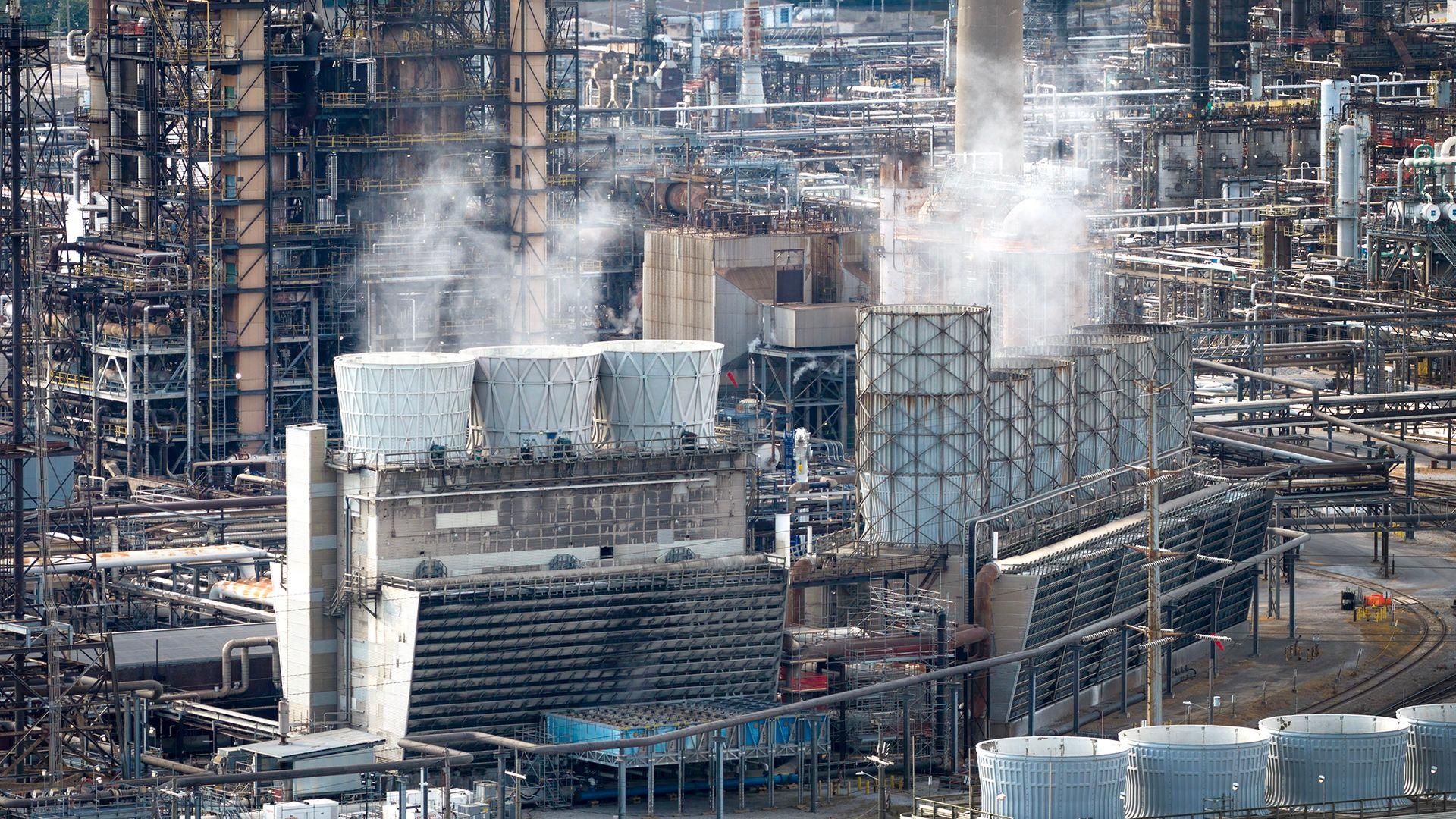
The economic landscape remains bleak as attacks have recently targeted Iran’s largest petrochemical and steel plants, leading to significant job losses. Supply chain disruptions affect not just direct employees but hundreds of thousands of individuals in related industries as well.
For instance, Iran's car manufacturing sector, which employs about one million people, is already reporting layoffs across its supply chain. Moreover, disruptions in the Strait of Hormuz have forced some factories to halt operations due to lack of supplies.
The government's response includes a loan scheme for small businesses, though the condition dictates repayment at high-interest rates, leaving many to question its effectiveness amidst rising inflation that surpassed 50% in March 2026.
If the conflict endures or international sanctions remain, the potential for further economic hardship looms for millions in Iran, exacerbated by rising prices and unemployment rates.