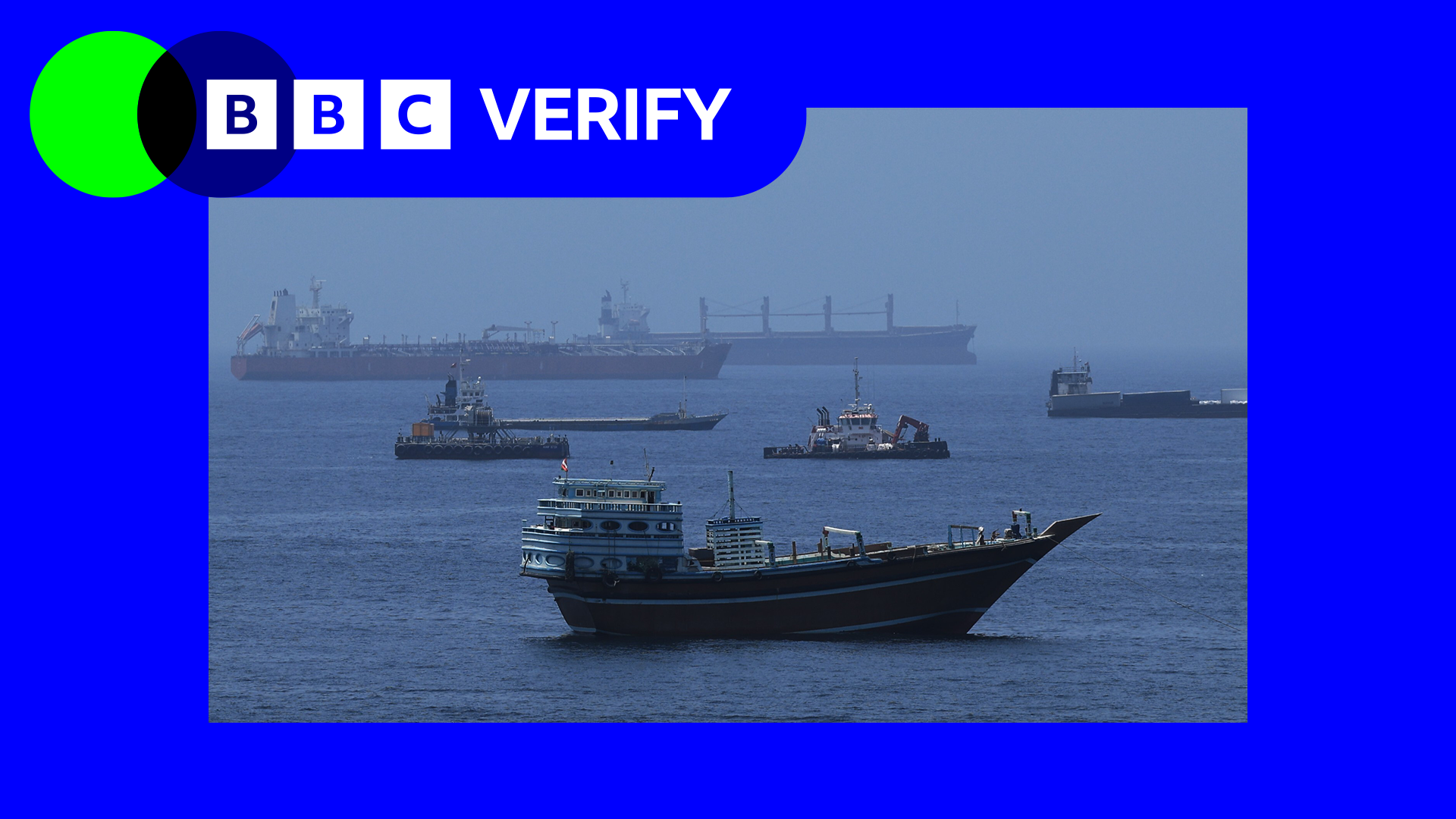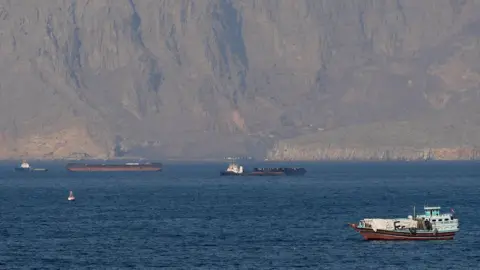
Iran has declared a renewed closure of the Strait of Hormuz to commercial vessels, asserting that any ship approaching the strait will be targeted. This closure comes in response to incidents on Saturday where vessels were reportedly attacked in or near this vital maritime route.
The Islamic Revolution Guard Corps (IRGC) cited ongoing U.S. sanctions as a key factor for this action, occurring just a day after Iran's foreign minister had announced the strait was temporarily open. Reports indicate several vessels, including tankers, were attacked by Iranian forces, exacerbating tensions in a region critical for global oil transport.
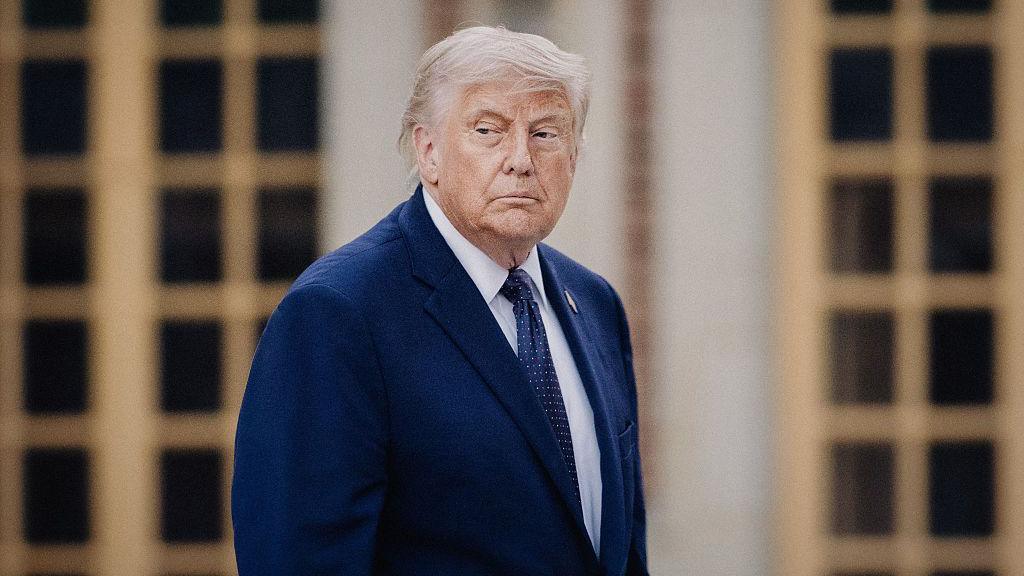
Despite a brief reopening of the strait, U.S. President Donald Trump has insisted that Iran cannot leverage threats regarding this vital waterway, which they have significantly restricted over the past two months, resulting in soaring energy prices worldwide.
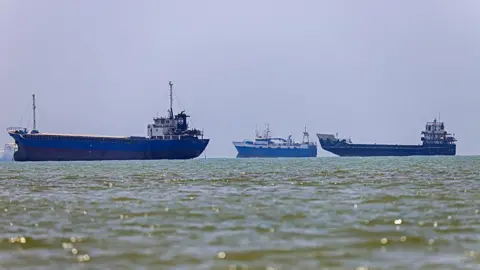
The IRGC Navy has warned that no vessels should leave their anchorage in the Persian Gulf or Sea of Oman, noting that while some ships navigated the strait under their surveillance recently, a complete shutdown will be reinstated until U.S. restrictions are lifted.
Approaching the Strait of Hormuz will be considered cooperation with the enemy, and the offending vessel will be targeted, the IRGC affirmed boldly.
President Trump emphasized the continuation of naval blockades on Iranian ports up until a peace agreement is established, asserting that the U.S. had turned away 23 ships since initiating the blockade. The Iranian Supreme National Security Council has deemed recent U.S. actions as violations against ongoing ceasefire agreements, thus halting any reopening efforts.
Simultaneously, reports have surfaced that Iranian gunboats fired upon an Indian-flagged tanker, and both Indian and international authorities have expressed grave concerns regarding these maritime threats. With the Strait of Hormuz being a transit route for about 20% of the world's oil and liquified natural gas, the implications of increased hostility are profound, leading to heightened global energy prices and fears of volatile maritime conflicts.
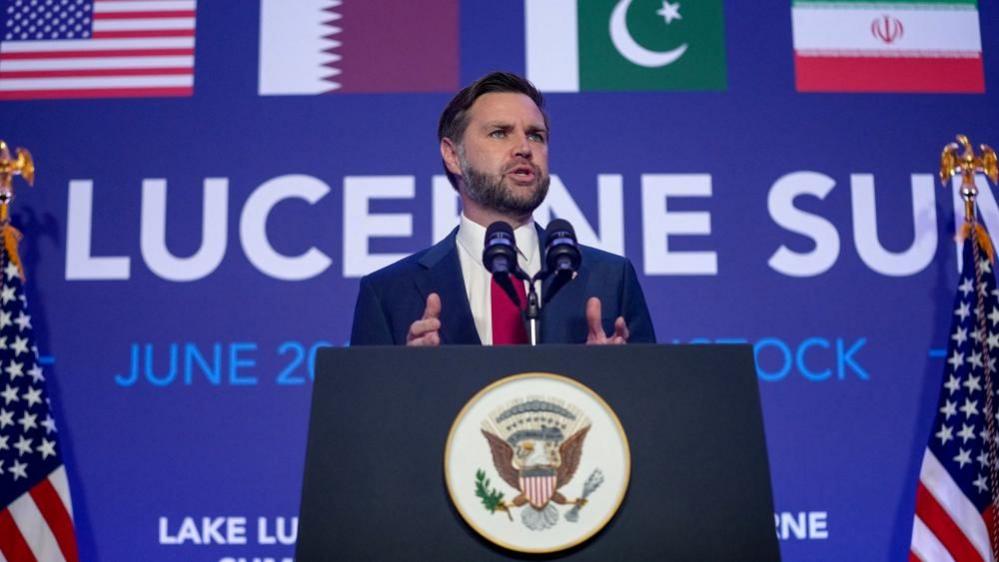
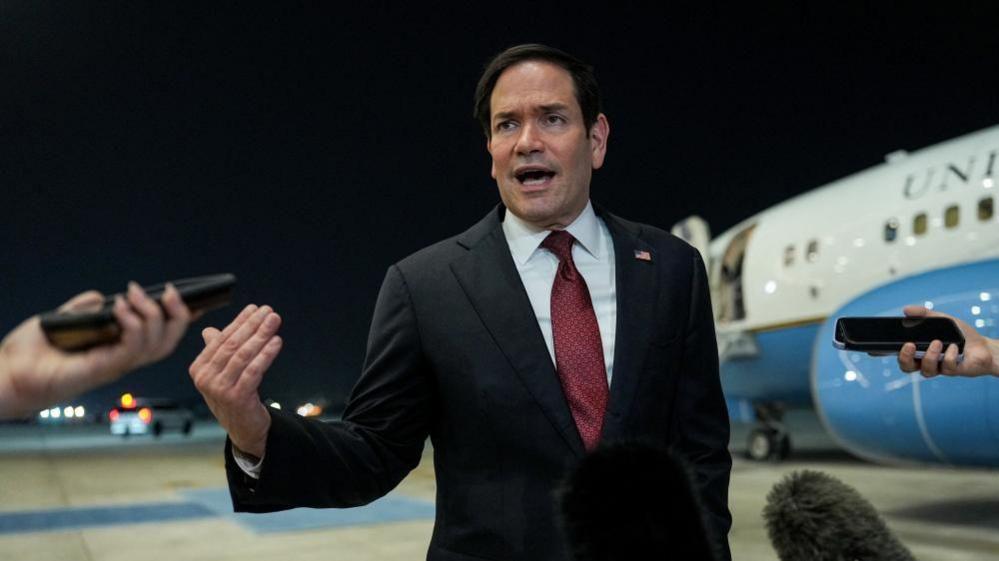
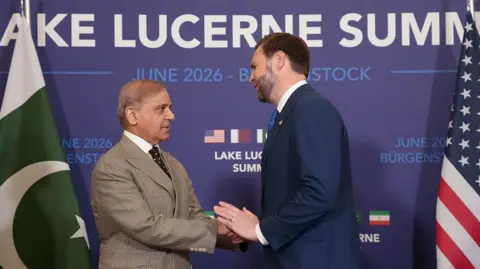
As diplomatic engagements continue, Tehran reiterated its stance but remains hesitant to disclose responses to new proposals from the U.S., indicating ongoing complexities in resolving the tightly-knit web of territorial, economic, and geopolitical interests that characterize this ongoing crisis.