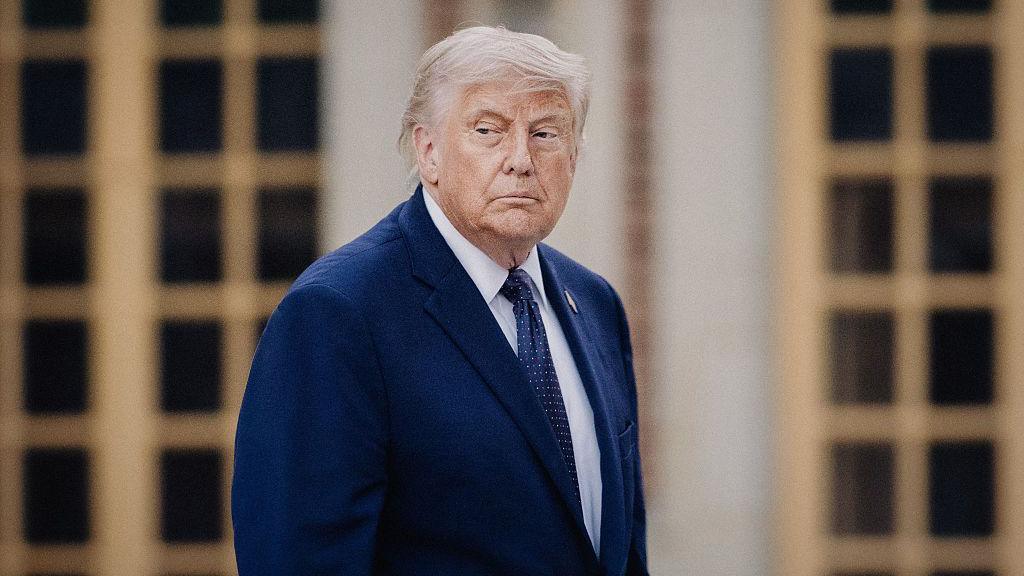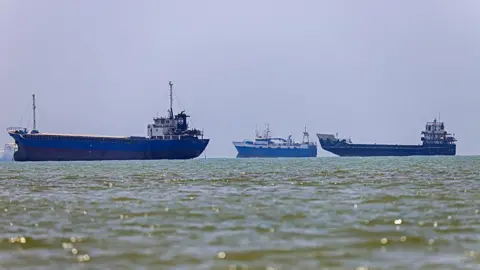
Global oil prices have jumped after US President Donald Trump said its navy had intercepted and seized an Iran-flagged cargo ship.
The Brent crude benchmark oil price rose by more than 4% to $94.20 (£69.60) a barrel, reversing a fall on Friday when Iran said the Strait of Hormuz would be completely open to commercial vessels for the remainder of the ceasefire.
On Saturday, Iran said it was closing the strait again and that any ship that approached it would be targeted.
The waterway is of key importance as usually about 20% of the world's oil and liquefied natural gas passes through it.
Energy markets have seen wild swings since the US and Israel attacked Iran on February 28, and Tehran responded with threats to target shipping in the strait.
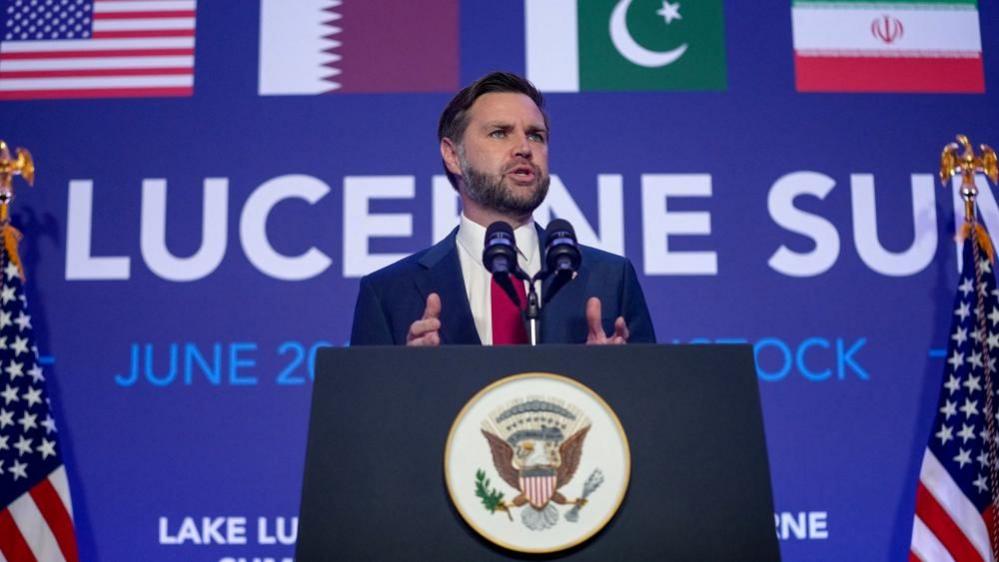
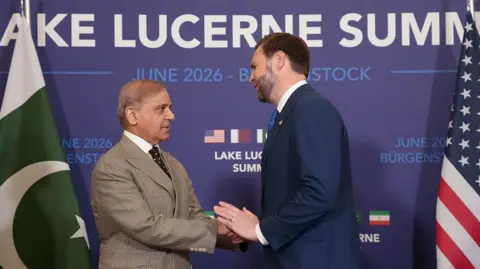
Trump has said his representatives will be in Pakistan on Monday for negotiations. A White House official stated that Vice-President JD Vance would lead the US delegation.
However, Iran's state media reported that Tehran had no plans for now to participate in the talks, leaving uncertainty regarding the country's stance.
Analyst Saul Kavonic from MST Marquee expressed that oil markets are reacting more to social media narratives from the US and Iran rather than the on-the-ground realities affecting oil flows.
Shanti Kelemen, co-chief investment officer at 7 Investment Management, indicated that market fatigue is settling in amidst the persistent changes in the situation.
The Strait of Hormuz remained closed on Sunday, following the Islamic Revolution Guard Corps (IRGC) announcing the end of a temporary reopening due to the alleged violation of the ceasefire terms by the US blockade.
Trump has reiterated that the naval blockade will persist until an agreement is reached by the two countries.
Stock markets reflected mixed responses on Monday, with some European indices experiencing declines, while Asian markets earlier reported gains.
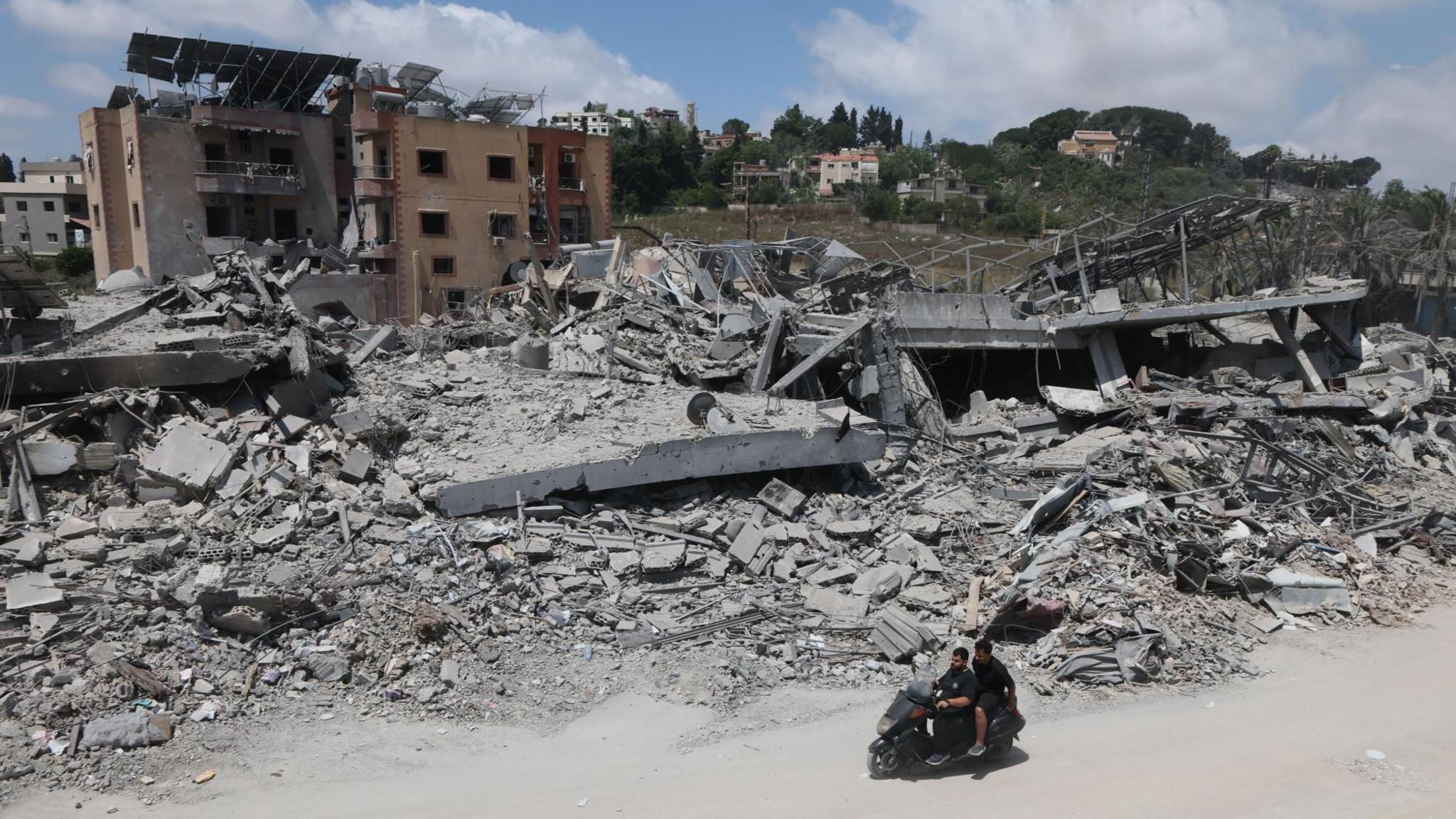
The ongoing conflict has instigated a global energy crisis, with prices escalating sharply and leading several countries to confront fuel shortages.
Governments in various regions have initiated measures to conserve fuel supplies, including reducing working hours and urging citizens to limit energy usage.
Last week, the head of the International Energy Agency warned Europe could be facing serious fuel shortages if the situation persists.