In brief
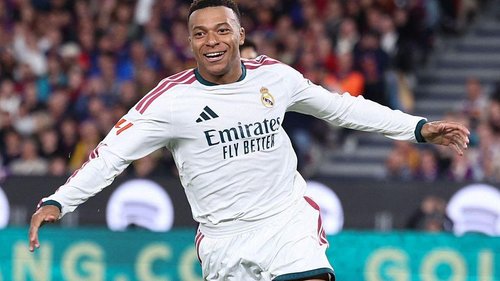
Kylian Mbappé has publicly apologized for an ill‑judged comment about Mao Zedong that sparked shock across China. The player’s remarks prompted several Chinese companies to drop him from sponsorship deals. China’s foreign ministry publicly criticised his statement, citing sensitivity towards the nation’s history. According to BBC correspondent Stephen McDonnell, the controversy highlights how swiftly a single comment can affect an athlete’s global brand. Local and international communities now debate the balance between celebrity freedom of speech and cultural respect in a globalised world.
Kylian Mbappé has issued a public apology after a comment he made about head of state Mao Zedong stirred anger across China. The football star, who is one of the world’s highest‑profile athletes, said the remark was “ill‑judged” and has no intention of offending. Those words prompted several Chinese brands to pull their endorsement of him, citing a breach of their partnership principles.
The Chinese Foreign Ministry also released a statement condemning the player’s remarks and describing the comment as a “defamation of the legacy of China’s historic great leaders” and an insult to the people of China. The swift stand‑off underscored the sensitivity that surrounds references to the country’s political history in international arenas.
BBC’s China correspondent Stephen McDonnell explains that the clash has highlighted the high stakes facing athletes in the age of global media. A single off‑hand remark can trigger contractual disputes, media backlash and diplomatic tension, especially when touching on national sentiments.
Mbappé’s appeal to make amends illustrates how quickly public sentiment can shift when a celebrity touches on subjects that carry heavy cultural weight. His apology, while aimed at mitigating damage, also opens a wider discussion about accountability, respect and the responsibility of high‑profile figures when they speak on behalf of the public.