In brief
A Nigerian federal judge sat inside a dim, smelly forest laboratory and examined evidence from a methamphetamine operation run by three Mexicans and seven Nigerians. The raid seized more than two tonnes of meth worth $360 million, the biggest bust in Nigeria’s history. The National Drug Law Enforcement Agency says the network ties to the Sinaloa and Jalisco New Generation cartels, using West Africa’s forests, porous borders and cheap labour. In the past 18 months, African authorities have uncovered labs in Kenya, Mozambique, South Africa and notably four in Nigeria alone. The new production sites threaten local communities and expand the cartels’ reach to Europe and Asia.
A Nigerian federal judge, Justice Musa Kakaki, sat at the center of a clandestine methamphetamine laboratory deep within a dense forest instead of in a Lagos courtroom. In front of him were three Mexicans and seven Nigerians, handcuffed and accused of operating a synthetic drug in a hidden workshop.
The laboratory was filled with a pungent, icy odor from liquid meth that was crystallising, plus a darker, viscous “crude” meth that was being processed. The scene also featured propane gas cylinders, caustic soda bags and a range of equipment typical of large‑scale production.
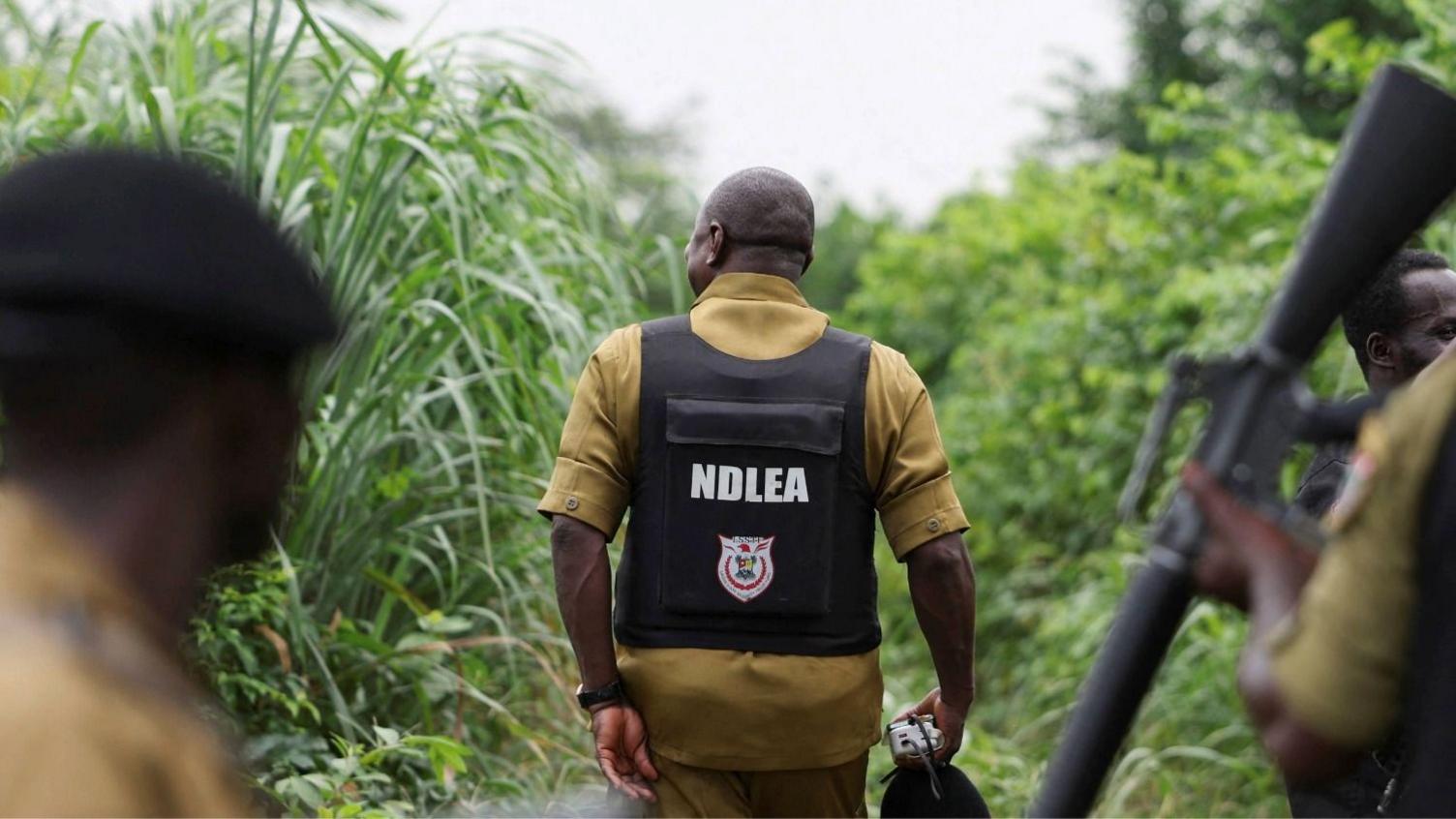
The National Drug Law Enforcement Agency (NDLEA) said the operation was the largest Mexican‑linked meth production raid, with over two tonnes of the drug seized, worth roughly $360 million. The agency described it as dismantling a sophisticated, multi‑million‑dollar syndicate.
Since 2026, Nigerian authorities have uncovered a second meth lab in Oyo State and have raided facilities in Kenya, Mozambique and South Africa. U.S. counter‑narcotics commander James Griego notes that Mexican experts, often called “cooks,” now operate alongside African locals, pushing a trend that turns West Africa from merely a transit hub into an active production base.
Synthetic drugs have no geographic restrictions, making them easier for organised crime to scale. Griego says the new Africa operations shorten the supply chain to Asia and Europe. “The cartels are feeling pressure in Latin America, so they’re looking for new locations,” says NDLEA spokesperson Femi Babafemi. “West African forests and a youthful workforce offer cover and cheap labour.
This shift threatens local communities and could raise meth use in Nigeria, where a 2018 survey saw 14.4% of adults having used illicit drugs compared to the global average of 6.5%. Broadening production in Africa means local drug consumption may rise and the synthetic drug could reach global markets more easily.
Authorities remain cautious but firm: “We can stop them before they leave our communities and enter the international market,” says Babafemi. “Nigeria will not be a safe haven for cartels.”