MIAMI (AP) — Christopher Day, a U.S. Army Reserve lawyer who was detailed as an immigration judge, has been dismissed just weeks after taking on the role, following a series of asylum rulings that did not align with the Trump administration's strict immigration enforcement objectives.
Day began presiding over cases in late October at an immigration court located in Annandale, Virginia. He was removed from his position around December 2, as confirmed by the National Association of Immigration Judges.
The exact reasons for Day's dismissal remain unclear. He refrained from commenting when approached, and a spokesperson from the Justice Department did not provide details on personnel decisions.
Data obtained from November indicates that Day's decisions were not consistent with the administration's approach; he approved asylum or other forms of relief for 6 out of the 11 cases he handled that month.
Under the current administration, positive outcomes for asylum seekers have become increasingly sparse. This trend is part of a broader initiative aimed at reducing the daunting backlog of approximately 3.8 million asylum cases within the nation's immigration courts.
In an attempt to assert control over the immigration process, the Trump administration has reportedly fired nearly 100 judges perceived as overly lenient and taken steps that allow a broader range of attorneys to apply for these critical positions, which have been labelled as “Deportation Judge.”
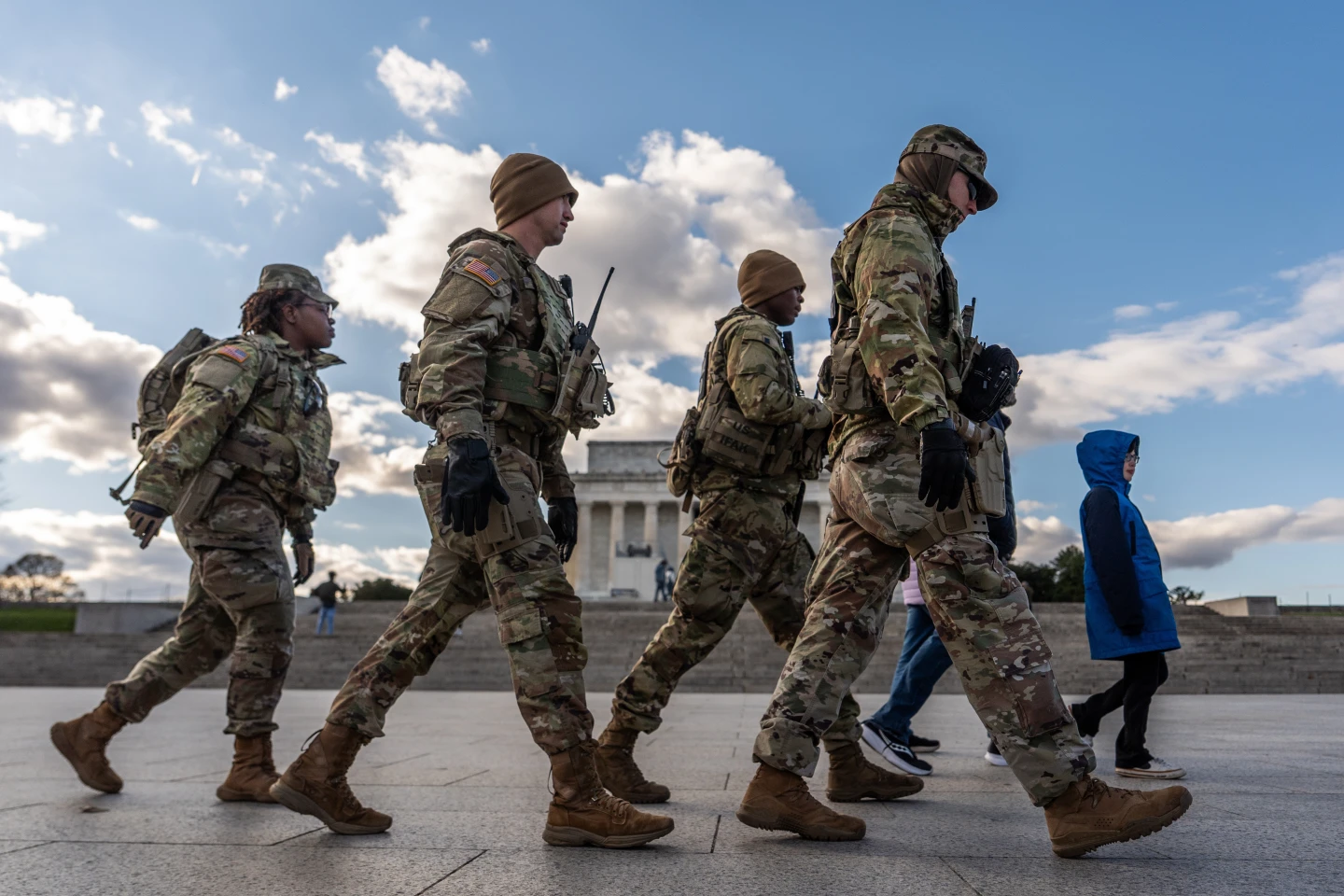
To further bolster these initiatives, Defense Secretary Pete Hegseth authorized sending military lawyers to immigration courts, with the intention of expediting asylum case decisions. While advocates of immigrant rights criticize this move, claiming it undermines the impartiality expected from judges, officials argue it is essential to resolve long-standing asylum claims.
So far, only a handful of military personnel have been involved, and they reportedly have upheld the administration's directive, evidenced by a high rate of removals in cases adjudicated by military judges.
Day's situation exemplifies the precarious conditions military lawyers may encounter when diverging from the established narrative of immigration enforcement, bringing to light the risks faced by those tasked with making judicial decisions under increasingly strict policies.