Miraculous Survival of Everest Guide Raises Safety Concerns in High‑Altitude Tourism
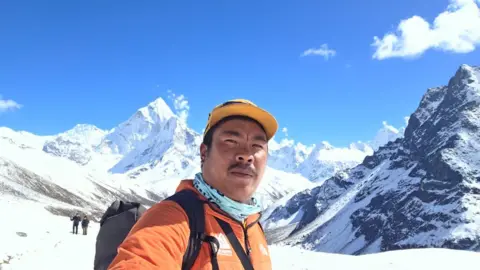
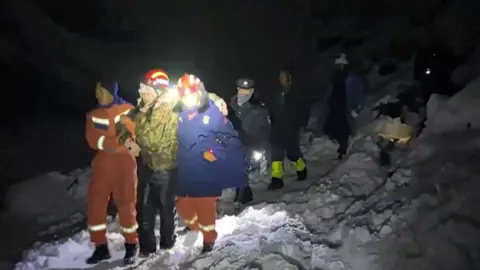
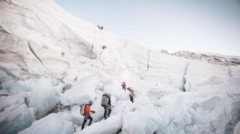
Hillary Dawa Sherpa, a 57‑year‑old guide, was discovered crawling at the foot of the Khumbu Icefall after a six‑day separation from his clients on the summit route. Rescued by a cleaning crew, he was air‑lifted to a hospital in Kathmandu and is now recovering.
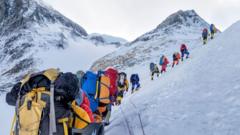
The ordeal began when the team, following the usual descent from Camp 4 on 29 May, stopped to let Dawa, who had run out of supplemental oxygen, rest at Camp 3. Over the next days he endured frostbite, a lack of food, and a struggle to move at an altitude where the body can typically survive only two‑to‑three days without additional oxygen. An avalanche caused the crevasse he fell into to collapse, allowing him to climb out, scramble down, and be found by the cleaning crew.
The incident has sparked controversy over the practices of Himalayan Traverse Adventure (HTA). The company claims that the search was delayed only because winter storms prevented helicopter deployment, while the Sherpa’s family has filed a police complaint alleging negligence. HTA also said the guide had been hired as a cook to be stationed at Camp 2 but was re‑assigned to the expedition to earn extra money. Clients had paid $37,500 for the trip, an amount that critics say is too low for a licensed guide operative on an 8,000‑meter peak.
The Nepalese tourism department has begun an inquiry, and the relationship between HTA and 8K Expeditions – the company that issued the permits – is under scrutiny. The case has sparked discussion among mountaineering experts about the need for stricter training and safety oversight, especially for low‑cost operators that place profit ahead of personal safety.