In brief
The Rijksmuseum has commenced the extensive restoration of Rembrandt's "The Night Watch," revealing layers of the masterpiece to the public through a process combining digital imaging and hands-on techniques.
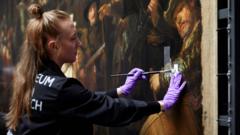
The Rijksmuseum in Amsterdam is embarking on a groundbreaking restoration of Rembrandt's illustrious painting, The Night Watch, following a detailed five-year research phase. This monumental project, termed "Operation Night Watch," sees eight dedicated restorers begin the meticulous task of removing varnish that has obscured the artwork’s true colors and details.Rijksmuseum director Taco Dibbits expressed his excitement for the operation, emphasizing that the removal of the varnish is set to unveil layers of the painting’s storied past. The entire process will take place before the eyes of the public within a specially designed glass-enclosed area in The Night Watch Room. Dibbits highlighted the unique opportunity for museum-goers to witness history in real time.The varnish, which was initially applied during a restoration in the 1970s, will be gently lifted using microfibre cloths and cotton swabs. This methodical approach results from extensive scientific trials on various artworks, ensuring minimal impact on the original piece.Created in 1642 for the Arquebusiers Guild Hall, The Night Watch is one of Rembrandt's most celebrated works, capturing a moment of action as a captain instructs his lieutenant to advance the company. The painting, originally titled Militia Company of District II under the Command of Captain Frans Banning Cocq, has been misleadingly perceived as a nocturnal scene due to the darkened varnish it has accumulated over the years.This restoration is particularly significant given the painting’s history of frequent threats and attacks; it has been slashed and even sprayed with acid on separate occasions. Despite its vulnerability, The Night Watch attracts more than two million visitors annually, underscoring its status as a treasured cultural artifact.