In brief
Latvia’s first ever presidency of the UN Security Council will concentrate on the impact of artificial intelligence and emerging technologies, while still addressing ongoing conflicts in Ukraine and the Middle East. The council will host a high‑level debate on rapid technological change, establish an Informal Expert Group, and continue routine tasks such as peacekeeping mandates and judicial elections. In parallel, Turkey’s candidate for Secretary‑General has been formally submitted, with straw polls scheduled for later that month.
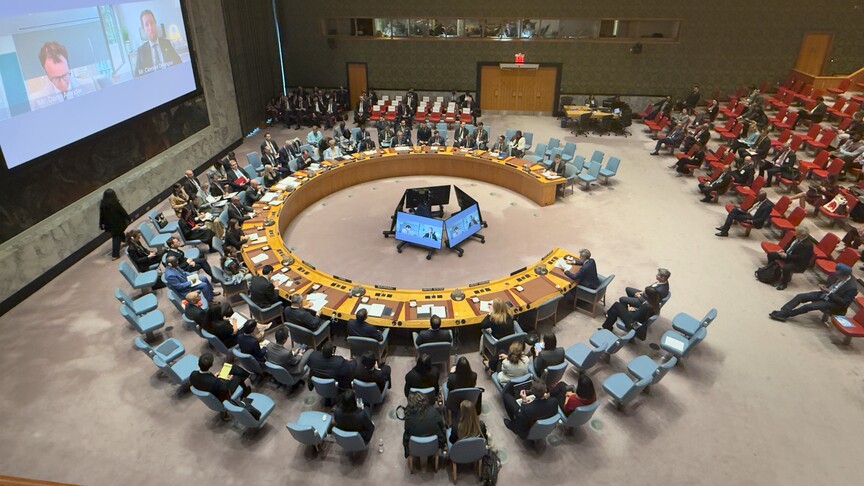
On 3 November 2026, the United Nations Security Council announced that Latvia would take the helm of its rotating presidency, with a mandate emphasising the peace‑and‑security implications of artificial intelligence. Latvian Permanent Representative to the UN Sanita Pavluta‑Deslandes told reporters at the UN headquarters that the council would turn its November agenda “toward the emerging technologies, including artificial intelligence, and their impact on peace and security.”
Latvia’s first term leading the eleven‑member body will coincide with the nation’s national celebrations that mark the 1918 declaration of independence. In a move that signals the council’s growing recognition of technological risk, a signature event is scheduled for 24 November to host a high‑level ministerial open debate titled “Conflict resolution in an era of rapid technological change.”
AI, Civilian Protection, and the Scope of Debate
The debate will examine how new tools affect the protection of civilians, peacekeepers, humanitarian personnel and media workers, and how they influence conflict prevention and peacebuilding. Pavluta‑Deslandes clarified that the council would not attempt to establish global AI regulatory frameworks or general governance systems; instead, she noted that wider rule‑making remains the responsibility of the UN General Assembly.
"We believe that the issue of emerging technologies, including artificial intelligence, and their impact on peace and security, is a topic that will stay on the council's agenda," she said.
Representatives from the technology sector and AI companies will brief council members, while a newly established Informal Expert Group on emerging threats and technological change—created jointly with Greece and joined by ten council members—will convene its inaugural session during the month. The group aims to provide specialised analysis without the formality of a standing council sub‑committee.
Through this forum, the council is endeavouring to assess both the benefits and risks posed by autonomous systems, which could range from augmented decision‑making in peacekeeping operations to the potential for misinformation campaigns in war zones.
Broader Security Agenda and Institutional Dynamics
While AI takes centre stage, the council will maintain its routine agenda items. Peacekeeping mandates continue to be reviewed, and the council will sustain its elections for judicial oversight positions. In addition, it will address pressing geopolitical hotspots: Russia‑Ukraine tensions remain a priority, as do several Middle Eastern conflicts that could flare under rapid technological change.
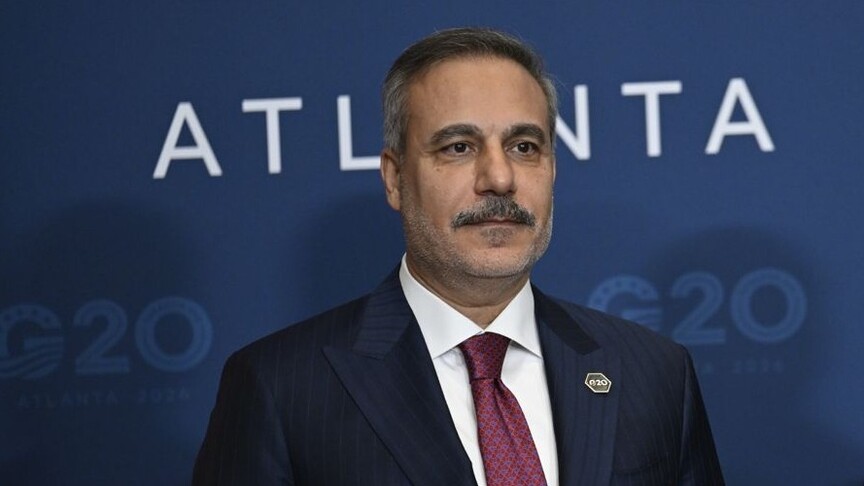
In the first order of business, the council will consider the formal nomination of Turkey’s Ambassador Feridun Sinirlioglu for the position of UN Secretary‑General. Pavluta‑Deslandes confirmed that a letter from Turkey had been received, addressed to the president of the Security Council and the president of the General Assembly, and that “it has been duly circulated, so the candidature is official.”
"Indeed, there has been an official letter from Türkiye on the nomination, addressed to the president of the security council and the president of the general assembly," she added.
Indicative straw polls will proceed during November, underscoring the urgency with just two months remaining before the five‑year term of a new Secretary‑General begins. The nomination process reflects the council’s role in shaping global leadership, not only through policy debate but also through the selection of the chief administrative officer of the United Nations.
The council’s discussion of AI is part of a broader institutional response highlighted in the Security Council Report’s Monthly Forecast for November. The report notes that Latvia is holding the presidency and is planning “an open debate on emerging technologies and security.” It also summarises the council’s continued focus on emerging technologies since 2023, articulating both support for and concerns about AI’s potential to reshape geopolitical competition.
Public accountability is reinforced through the council’s transparent documentation of its agenda and through briefings from industry experts, allowing states’ civil society actors and the public to follow how security decisions are made. This openness also ensures that the window for wider regulation of AI—delayed for the time being—remains an open issue to be tackled by the General Assembly, where all UN member states can debate the governance of technology.
As the European Union, Russia, and the United States continue to develop and deploy sophisticated AI systems, the council’s focus on ethical use and civilian safety is a direct response to potential humanitarian implications. By adjusting the agenda to include peacekeepers’ safety, media integrity, and civilian protection, the council aims to mitigate even small‑scale but potentially large scale abuses that could arise from the operationalisation of autonomous weapons and surveillance tools.
In sum, Latvia’s presidency foregrounds artificial intelligence and emerging technology as a front‑line concern for global peace, while simultaneously grappling with longstanding conflicts and institutional processes such as Secretary‑General nominations and judicial elections. The dual focus highlights the nexus between governance, security, and technology in contemporary international relations, underscoring the council’s civic mandate to safeguard not only state sovereignty but also the well‑being of civilians and professionals caught in the cross‑hairs of modern conflict and digital transformation.