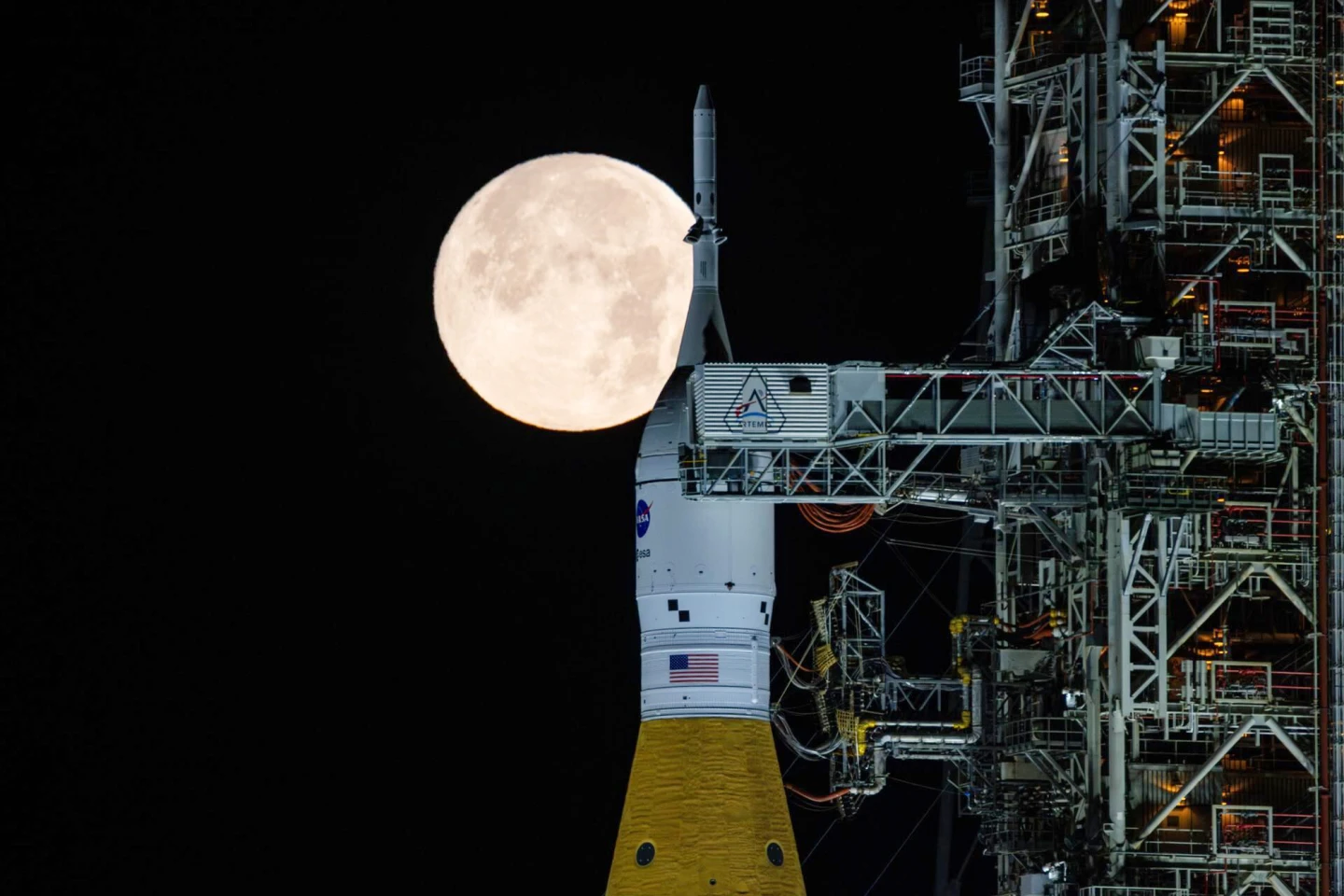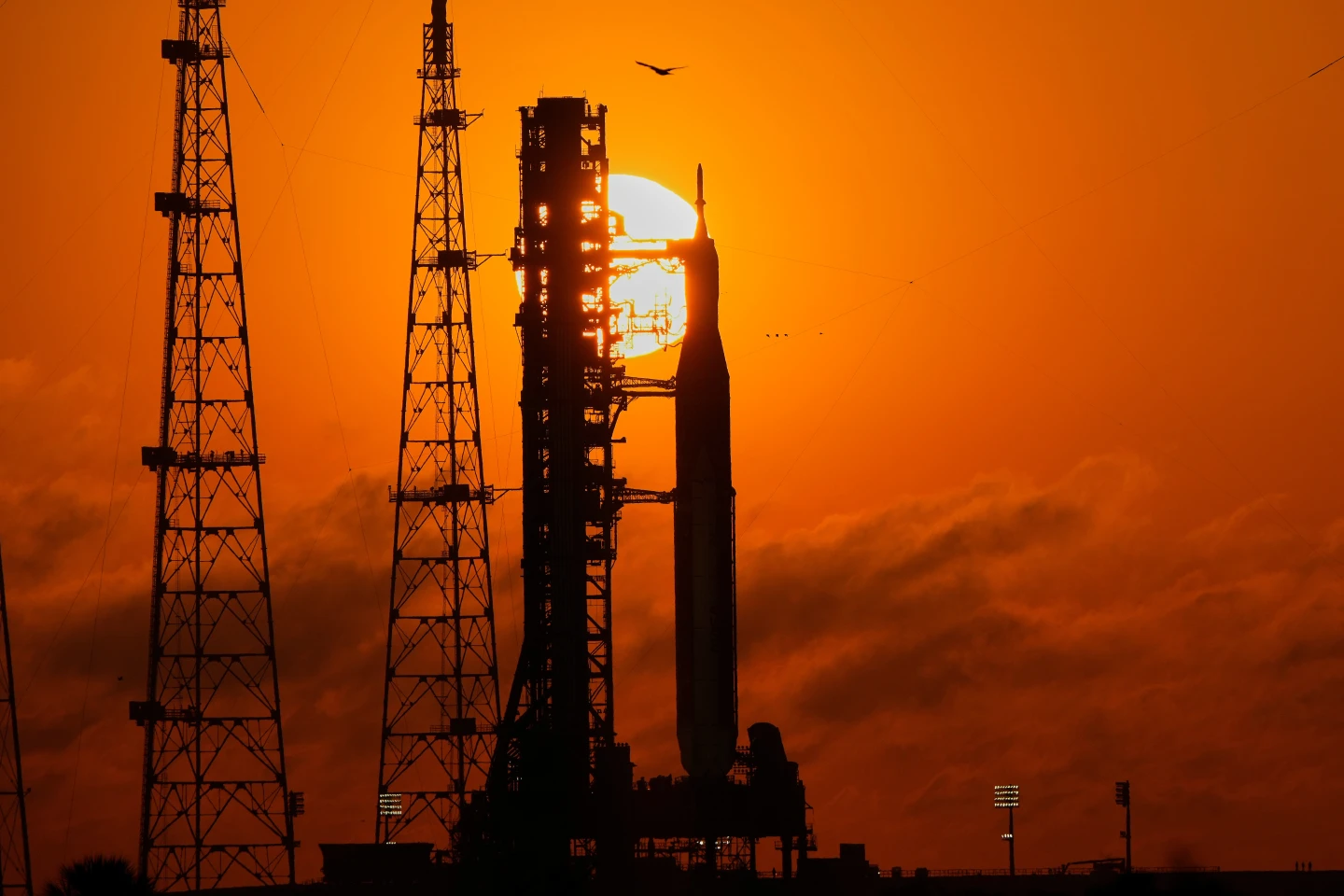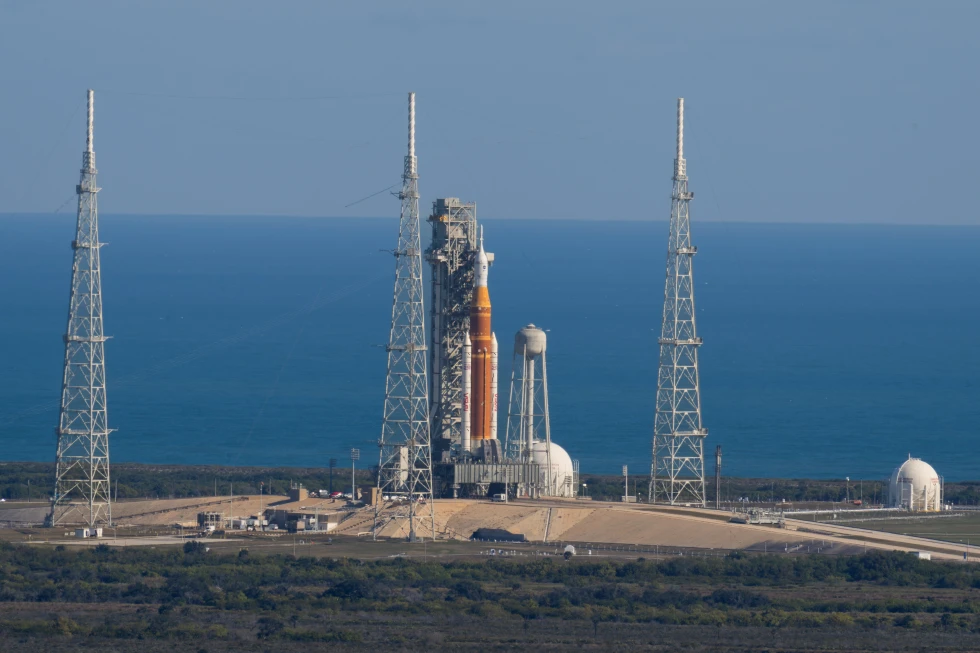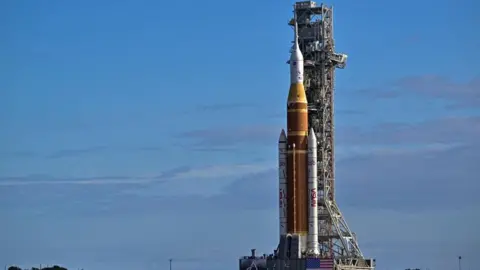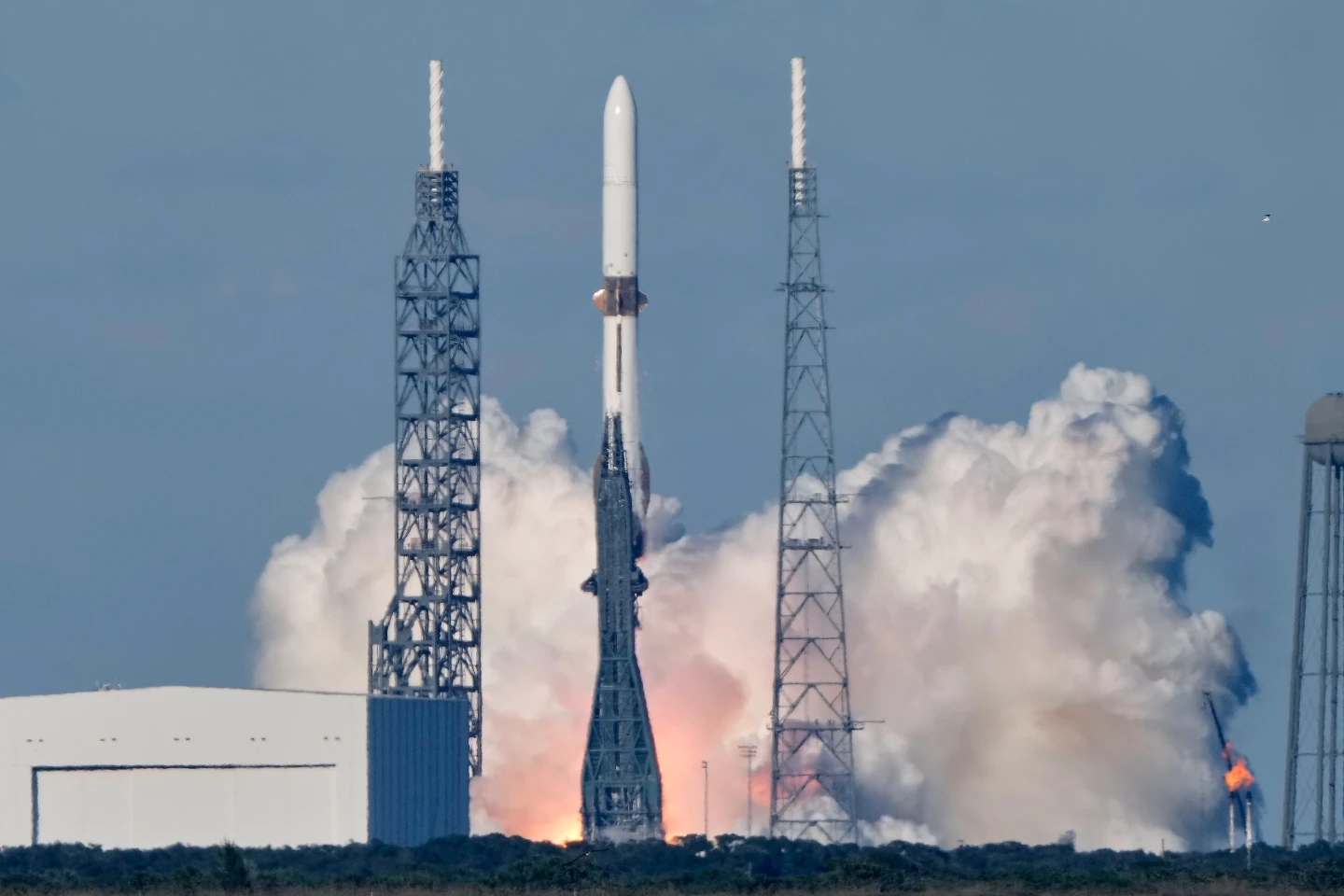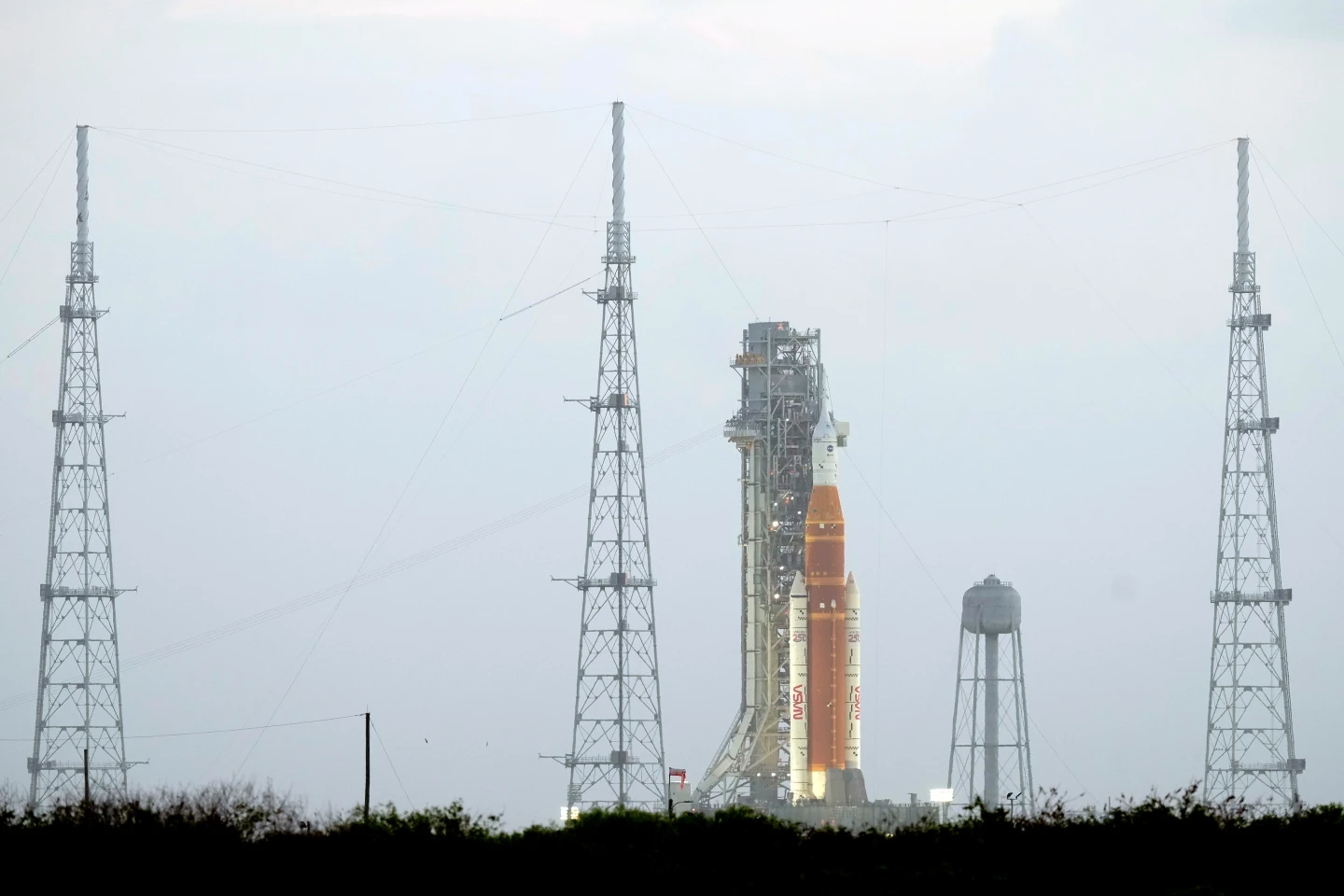
CAPE CANAVERAL, Fla. (AP) — NASA has officially begun fueling its Artemis II moon rocket in anticipation of a monumental launch that will mark humanity's first lunar trip in more than 50 years. The planned launch aims for an evening liftoff featuring a crew of four astronauts.
Tensions ran high as hydrogen fuel began flowing into the 32-story Space Launch System rocket on the launch pad. Earlier this year, hydrogen leaks during countdown tests caused significant delays.
The launch team is tasked with loading over 700,000 gallons of fuel (approximately 2.6 million liters) before the Artemis II crew can board the craft.
“It is time to fly,” stated mission commander Reid Wiseman via a post on X, as favorable weather conditions were forecasted.
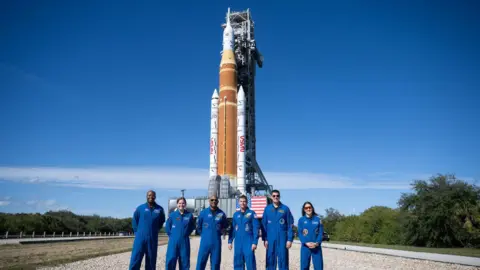
This mission will see three Americans and one Canadian embark on a journey that will take them around the moon without a stop or even an orbit, extending their distance from Earth to over 4,000 miles (6,400 kilometers) beyond the lunar surface.
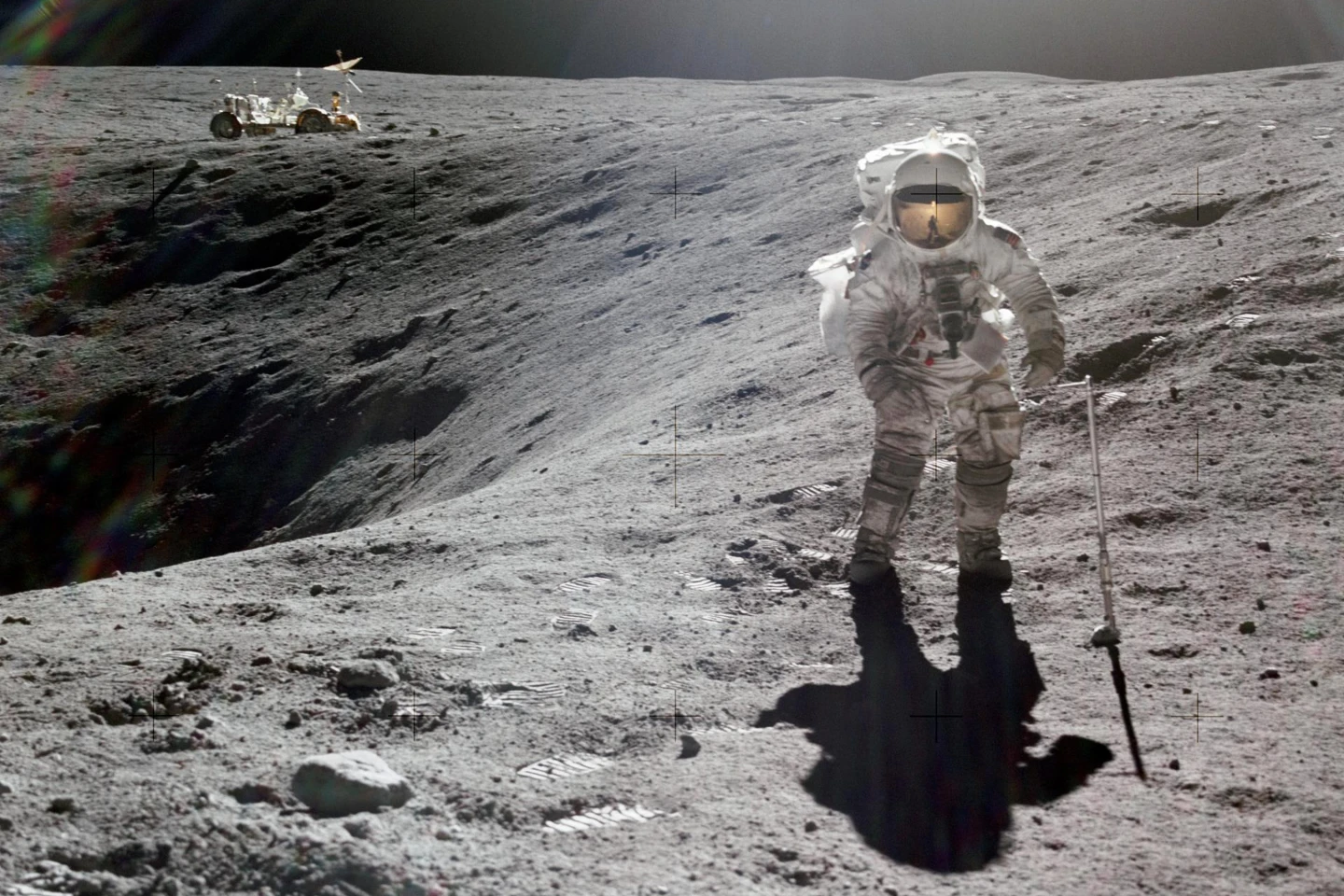
Astronauts last ventured to the moon during Apollo 17 in 1972, making Artemis II a historic return.
Artemis II kicks off NASA's ambitious plans for a permanent lunar base, with aspirations for a moon landing near the lunar south pole set for 2028.
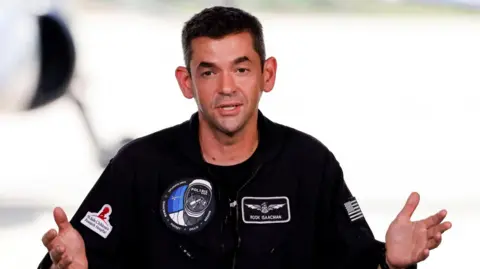
NASA Administrator Jared Isaacman remarked, “The next era of exploration begins,” a sentiment echoed in best wishes from figures such as King Charles III, who congratulated Canadian astronaut Jeremy Hansen, the first non-U.S. citizen set to launch to the moon.
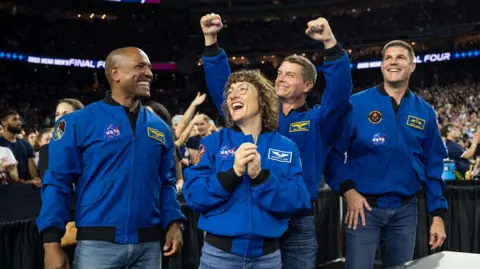
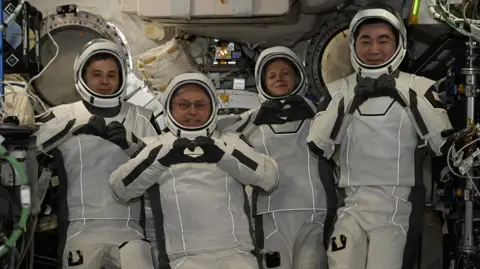
With this mission, Hansen, Christina Koch, and Victor Glover — the first woman and first Black astronaut to be headed to the moon, respectively — stand as representatives of a new era of exploration that bridges nations and generations.