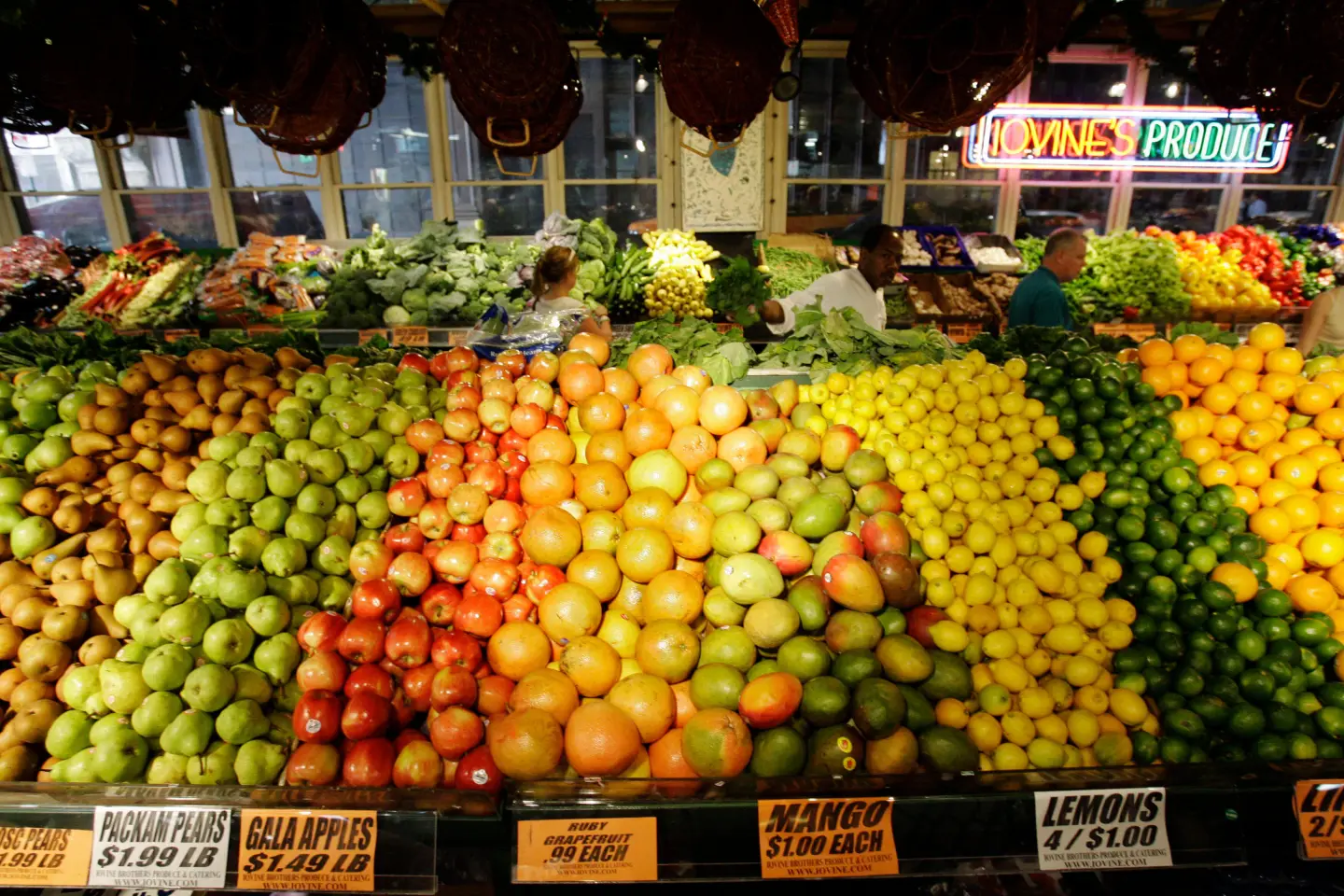
The new Dietary Guidelines for Americans, released by the U.S. Department of Agriculture and Health Secretary Robert F. Kennedy Jr., are advocating for a significant shift towards whole foods and a reduction in highly processed foods. This initiative, an essential part of Kennedy's 'Make America Healthy Again' campaign, emphasizes real food consumption, urging citizens to embrace fresh vegetables, whole grains, and dairy to build a healthier lifestyle.
The guidelines depict an inverted version of the outdated food pyramid, placing protein, dairy, healthy fats, and fruits and vegetables at the top, while positioning whole grains at the base. This updated model aims to address the rising concerns over chronic diseases linked to poor dietary habits.
Additionally, the guidelines issue clear warnings against the consumption of ultraprocessed foods, which are often high in sugar and salt, recommending that Americans avoid snacks like chips, cookies, and candy. Current trends show that such foods account for more than half of many Americans' daily caloric intake, with significant implications for health.
Despite initial suggestions that guidelines may pivot away from limiting saturated fats, the updated guidelines suggest that consumers should source saturated fats from whole foods such as meat and dairy while continuing to limit them to no more than 10% of total daily calories.
In a groundbreaking recommendation, the new guidelines propose doubling protein consumption, suggesting a range of 1.2 to 1.6 grams of protein per kilogram of body weight, a significant increase from prior recommendations aimed merely at preventing deficiency.
Lastly, the guidelines underscore the need to sharply limit added sugars, stating that any amount of added sugars should be avoided for a healthy diet, indicating that no single meal should contain over 10 grams of added sugars.