WASHINGTION (AP) — A leading U.S. health official has strongly urged citizens to get vaccinated against measles, stressing the importance of immunization as outbreaks are reported across several states, posing a risk to public health and the nation's measles elimination status.
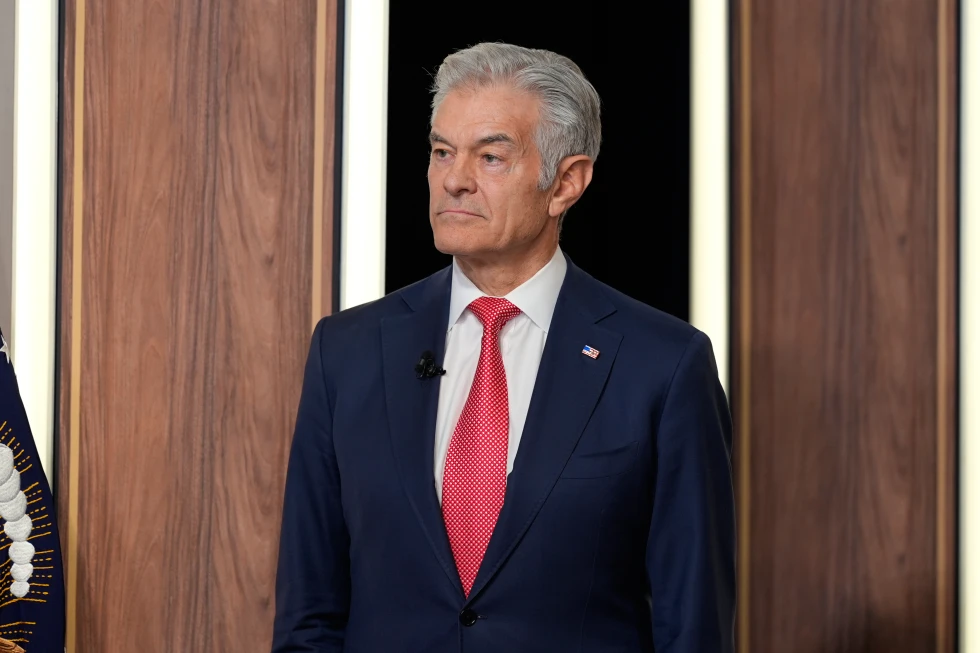
“Take the vaccine, please,” implored Dr. Mehmet Oz, administrator of the Centers for Medicare and Medicaid Services, during a recent interview. Oz defended updated vaccine recommendations and pointed out criticisms of the efficacy of vaccines by some political leaders, including the president.
Oz highlighted the nature of measles as a particularly dangerous illness, saying, “Not all illnesses are equally dangerous and not all people are equally susceptible to those illnesses,” while urging viewers on CNN to vaccinate against measles.
Recent outbreaks, particularly in South Carolina, have reached alarming levels, surpassing previously recorded case counts, which has raised concerns among health authorities. Experts warn that a decline in public trust in vaccines may contribute significantly to the resurgence of diseases previously eliminated in the U.S.
Oz reassured the public that access to the measles vaccine will not be limited. He stated that vaccination would continue to be a part of Medicare and Medicaid coverage, reinforcing that there should be no barriers to obtaining the measles vaccination.
Despite ongoing efforts to combat misinformation associated with vaccination, public skepticism lingers, particularly in specific communities. Recent claims about vaccine safety and potential links to autism, despite lacking scientific backing, have caused confusion and fears that threaten vaccination rates.
The administration is facing scrutiny from both public health experts and lawmakers regarding its inconsistent messaging about vaccines. While acknowledging the need to restore trust in the healthcare system, critics express concerns over the implications of anti-vaccine sentiments in appointing leadership positions within health agencies, particularly those previously vocal against established vaccination science.
As states grapple with their vaccination policies and the federal government revises its recommendations, the discourse on vaccine safety, necessity, and public health responsibility becomes increasingly critical in the face of rising measles cases.