In brief
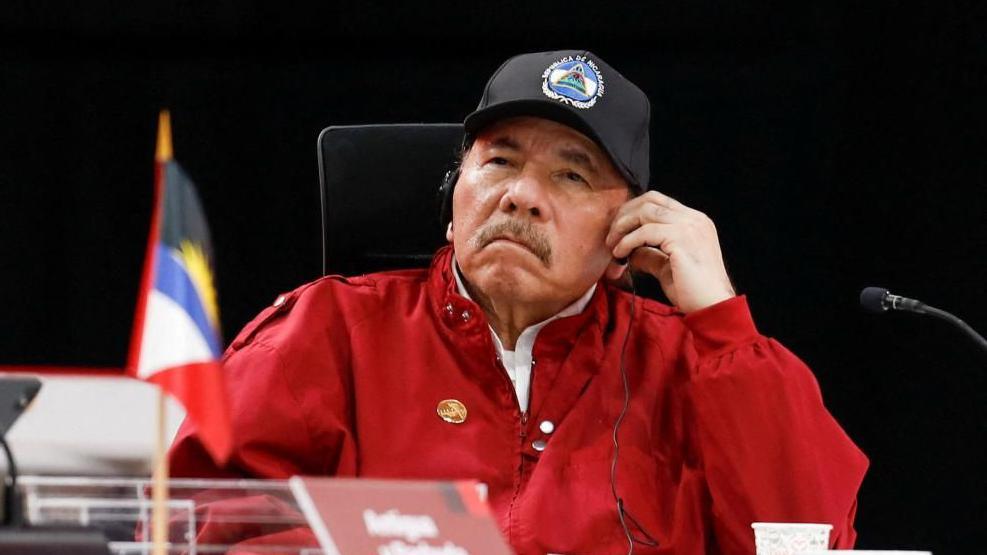
The government‑controlled National Assembly is preparing to draft a bill that would effectively ban opposition parties from the electoral roll, slated for a vote in early August. President Daniel Ortega had recently declared that it would no longer be possible for the opposition to gain power, provoking criticism from the United Nations and the United States. Despite the regime’s sweeping influence, opposition leaders in exile brand the move a step toward total dictatorship, drawing parallels with known authoritarian states. The assembly’s move follows a history of imprisoning political opponents, restricting citizenship, and extending presidential terms to consolidate power.
Nicaragua’s legislature is preparing a bill that could bar opposition parties from participating in future elections.
Rumors swirling after President Daniel Ortega’s remarks on the 1979 Sandinista Revolution anniversary that opposition groups would be forbidden from attempting to seize power have reached a concrete legislative stage. Officials say a vote on the measure will be held in the first week of August, effectively shutting out rival parties from the electoral process.
International critics have responded with sharp condemnation. The UN High Commissioner for Human Rights, Volker Türk, called the proposals a direct violation of democratic principles, warning that “people of all political viewpoints must be allowed to vote and run for office.” Meanwhile, U.S. Secretary of State Marco Rubio flagged the plan as evidence of “the true authoritarian nature” of Ortega’s rule, adding that the regime has abandoned any pretense of popular consent since it elevated his wife, Rosario‑Murillo, to co‑president in February 2025.
Inside the National Assembly, Secretary Gustavo Porras, head of the legislature and a close ally of the president, dismissed external criticism. He claimed the body was working “to not leave a crack” for opposition forces to take root, noting that the establishment’s combined electoral authority and Assembly were crafted to prevent any foothold by dissenting voices.
The current political landscape reflects a long history of repression. Since Ortega took office in 2007, opposition leaders have been jailed, exiled or stripped of citizenship. In the last presidential election held in November 2021, Ortega won in a contest that many viewed as tightly controlled, with only a handful of fringe candidates allowed to run. The 2025 constitutional reform expanded the presidential term to six years and formally installed a co‑presidency, opening the door for Murillo to assume office should Ortega falter.
International observers and opposition politicians in exile emphasize the chilling effect on political participation. Juan Sebastián Chamorro described the legal push as “proof that Ortega wants Quito to be a one‑party state like China, North Korea and Cuba.” Felix Maradiaga, a former opposition candidate imprisoned under Ortega’s regime, explained that the move reveals the president’s fear of dissent: “It confirms that he sees change as real, not as something that can be neutralised.”
With more than 300 deaths reported during the 2018 crackdown on protests, very few Nicaraguans openly criticize the government in public. This new proposal threatens to further entrench a system where dissent is systematically erased from the civic arena.