In brief
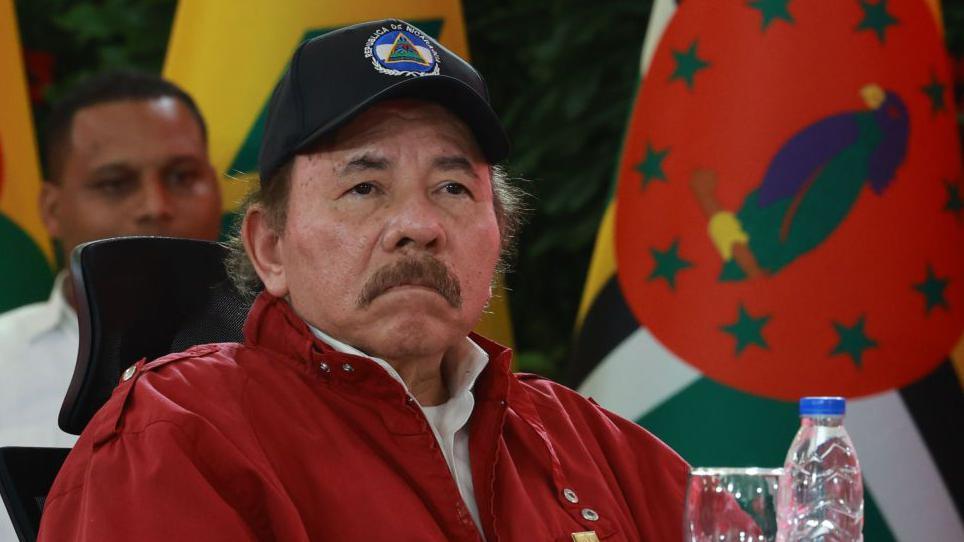
President Daniel Ortega, who has governed Nicaragua since 2007, has announced a plan to lengthen his presidency by one year, slated for approval by the National Assembly in September. The proposal is part of a broader constitutional reform that includes banning opposition figures labeled as “traitors” from running for office and formalising his wife Rosario Murillo’s role as co‑president. Critics say the move erodes democratic norms, following a history of political arrests, exiles, and the removal of citizenship from dissenters. With international pressure mounting over the regime’s crackdown on dissent, the extension is seen as a pivotal test of Nicaragua’s future political stability.
Daniel Ortega has announced that he intends to extend his presidential term by another year, a move that will be voted on by the government‑controlled National Assembly in September.
The change is part of a comprehensive constitutional reform package that would bar any opposition member deemed a “traitor” or “coup conspirator” from standing for office. It follows a pattern of tightening power that began in 2014 when term limits were removed, and repeats similar unilateral decisions in 2024 that lengthened terms from five to six years.
The ASA already approved a decree naming Rosario Murillo, the president’s wife, as co‑president. The amendment ostensibly prepares her to assume presidential duties should Ortega become “permanently absent,” a provision that critics say is a tool to keep power consolidated within one family.
Under Ortega’s rule, political opponents have faced imprisonment, exile, and confiscation of citizenship; dozens of opposition figures were arrested during the violent suppression of anti‑government protests in 2018, and many exiles have had their homes seized and sold.
The last presidential election, held in November 2021, resulted in Ortega’s victory after a campaign marked by the detainment of any genuine challengers and a largely symbolic opposition slate. UN human‑rights chief Volker Türk has warned that repression has intensified, citing a steady erosion of democratic norms.
The upcoming vote on the term extension and other constitutional alterations will act as a litmus test for Nicaragua’s democratic trajectory. If passed, the changes would cement a system that critics argue undermines political pluralism and the rule of law, extending dictatorial tendencies under the guise of constitutional legality.