In brief
Facing severe funding shortages, the World Food Programme (WFP) will reduce its Gaza operations by a third, dropping assistance from 1.6 million to 1.1 million beneficiaries. The cut will cut daily hot meals from 250,000 to 150,000 and force families in hard‑to‑reach areas to receive food every other day. Families already struggling to feed themselves, with two‑thirds of Gaza’s population dependent on aid, warn that even existing rations are too small. The WFP urgently needs $450 million to keep operations running for six months, amid a lack of reconstruction and food insecurity that could approach famine levels.
The World Food Programme (WFP), one of Gaza’s main food‑aid suppliers, has announced that it will have to "drastically reduce lifesaving assistance" due to a severe funding shortfall.
The agency’s reach in Gaza will shrink from 1.6 million to 1.1 million people, a drop of about a third. This reduction comes as winter approaches and many families already struggle to obtain sufficient nutrition.
Community kitchens will see their daily hot‑meal provision cut from 250,000 to 150,000 meals, meaning many residents will receive a meal only every second day. The impact will be felt most keenly in remote zones close to the Yellow Line – the demarcation that separates Israeli military control.
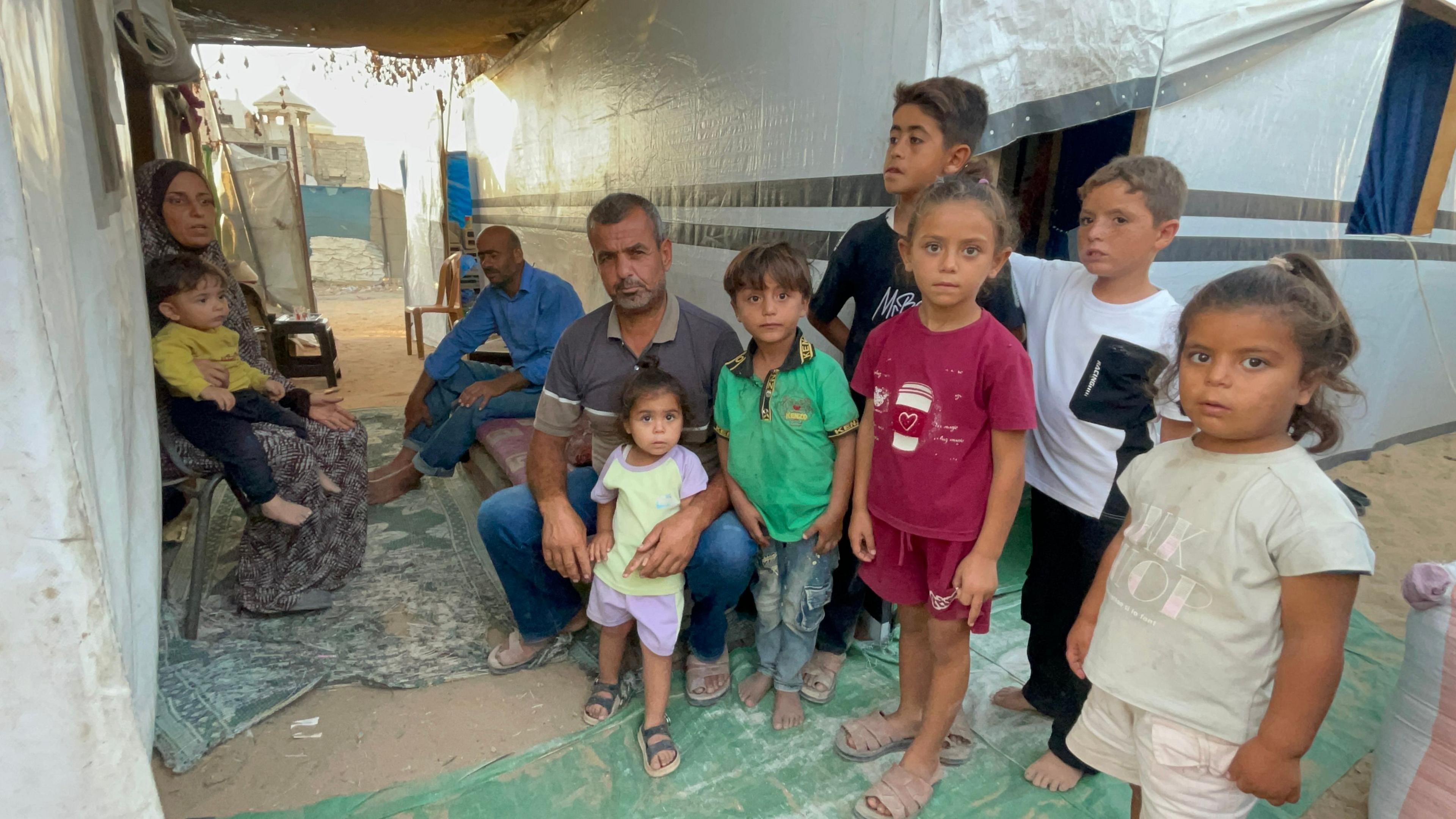
With almost the entire population of 2.1 million people displaced, two‑thirds rely on food aid for survival. The WFP has warned that its current funding is less than half of what it received in 2025.
In July, cash transfers were reduced for about 500,000 residents, limiting their ability to purchase food locally. The number of people receiving flour and ration boxes will fall from 1.1 million to 600,000 per month.
WFP Director in Palestine, Shaun Hughes, made clear that the cuts are financial, not a response to waning need: "We are cutting because we don’t have the money, not because the needs have gone down or we lack access," he said.
Residents like Mervat al‑Satari, a mother‑of‑five in the al‑Mawasi camp, describe the cuts as a "disaster." She noted that the current ration, already barely adequate, will become even thinner, jeopardising the children’s health. Other families, such as Sawsan Bahloul’s, will have to offer up plastic and cardboard for fuel, a grim reminder of how food insecurity runs parallel to extreme poverty and unsafe living conditions.
The WFP also provides nutrition assistance to around 300,000 women and children and feeds 200,000 children with health snacks. Meanwhile, aid in the occupied West Bank has also been halved, affecting 200,000 Palestinians due to escalated settler violence and displacement.
Humanitarian workers warn that unless funding is restored, acute food insecurity could spiral toward famine. The agency is calling for $450 million (about £338 million) over the next six months to keep its critical operations active in Gaza and the West Bank.