Nigeria has begun the prosecution of more than 500 people accused of involvement in militant attacks in one of the country's largest ever terrorism trials.
The suspects face charges linked to aiding and abetting terrorism, particularly in the northeast where an insurgency by the Boko Haram Islamist group began 17 years ago. Since then, insecurity has spread to many other areas of the West African nation, leaving communities, often in rural areas, vulnerable to an increase in militant groups and gangs that kidnap for ransom.
The mass trial opened on Tuesday at a high court in the capital, Abuja, where 227 suspects were arraigned before 10 judges, as stated by Attorney General Lateef Fagbemi. Hundreds of lives have been claimed in bombings and various attacks across Nigeria this year alone. Very few people have ever been prosecuted over terror-related incidents, with many suspects being detained for years without facing trial.
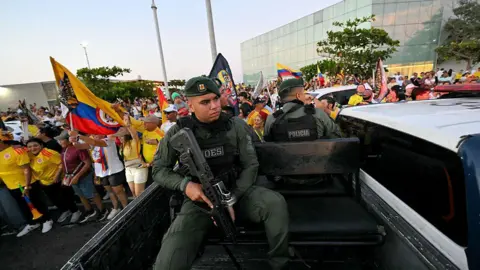
International observers, including human rights groups and members of the Nigerian Bar Association, were present at the court session. The defendants are alleged to have participated in attacks mainly in northern Nigeria, with some facing charges of supporting militants through funding and logistical aid. Security was tight, with suspects transported in heavily guarded convoys under military, police, and intelligence supervision.
Remarkably, five of the accused have already been sentenced to varying jail terms of 7 to 20 years after pleading guilty to charges related to providing assistance to militant groups. The scale of the operation is seen as an indication of the government's firm resolve to address the ongoing terrorism issues. Attorney General Fagbemi expressed the federal government's commitment to ensuring that due process is observed while bringing perpetrators of terrorism to justice.
Security expert Bashir Galma, a retired army major, called the trial a positive development and a significant milestone in the fight against terrorism in Nigeria. He provided reassurance to victims' families that the judicial proceedings will offer some semblance of closure, while also challenging the existing narrative that suspects are routinely released after arrest to return to their prior activities. Nonetheless, he acknowledged that some individuals could be released based on how long they have been held without trial.