For months, rumors and secrecy have surrounded last year's alleged Independence Day coup plot in Nigeria. With this week's indictment of six individuals accused of involvement comes the first details of what is said to have been an elaborate plan to oust President Bola Tinubu.
The coup was reportedly meant to take place on October 1, 2025, coinciding with Nigeria's 65th Independence Day celebrations. However, in a twist of fate, the government's celebratory parade was abruptly canceled at the last minute, leading to widespread speculation.
In January, the military announced that 16 senior officers would face court-martial over an alleged coup attempt, effectively admitting that a plot had been thwarted. Recent court documents have revealed the names of those implicated, suggesting that the plotters aimed to destabilize the state ahead of the planned takeover.
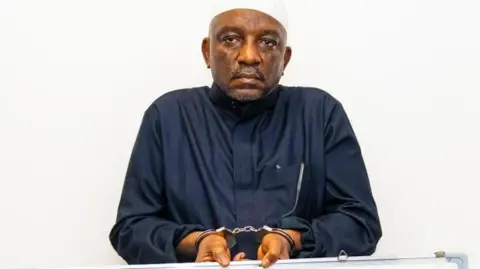
The six individuals on trial cannot appear before a military court due to their distinct backgrounds - some are civilians, while one is a serving police inspector and others retired military personnel. They face charges including treason, terrorism, and money laundering, all of which they deny.
Nigeria, under civilian rule since 1999, has seen a rise in coup attempts in West Africa, raising concerns that it could be the next country to succumb to military intervention amid economic hardships and elite-driven political systems.
Who was the alleged architect of the plot?
Court documents point to Colonel Mohammed Ma'aji as the chief strategist behind the coup. Little is known about this 50-year-old military figure, who rose through the ranks during a tumultuous time of oil militancy in the Niger Delta.
How was the alleged plot financed?
Timipre Sylva, a former oil minister and prominent politician, is allegedly linked to the funding of the coup plot. His name appears multiple times in the charges, indicated to be a key financier, while other civilians on the charge sheet reportedly received significant sums for their services.
What was the alleged plan on the day?
Details suggest that the conspirators planned to storm the Aso Rock presidential villa, using insider information to help facilitate their operation. A military investigator revealed plans to detain and potentially assassinate key government officials, including the president and his deputy.
Why was a cleric indicted?
Sani Abdulkadir, a prominent Islamic cleric, was also implicated. His initial disappearance raised suspicions before details emerged about his connection to the coup plot. Abdulkadir was reportedly to serve as a 'spiritual warrior' for the operation.
Will more people be brought to trial?
Reports indicate that further trials may follow, with names of additional suspects surfacing, including Nollywood director Stanley Amandi, allegedly hired to support propaganda efforts for the coup.
This unfolding story has shocked the nation, akin to recent military takeovers seen in the region, leaving many to wonder what lies ahead for Nigeria’s democracy.