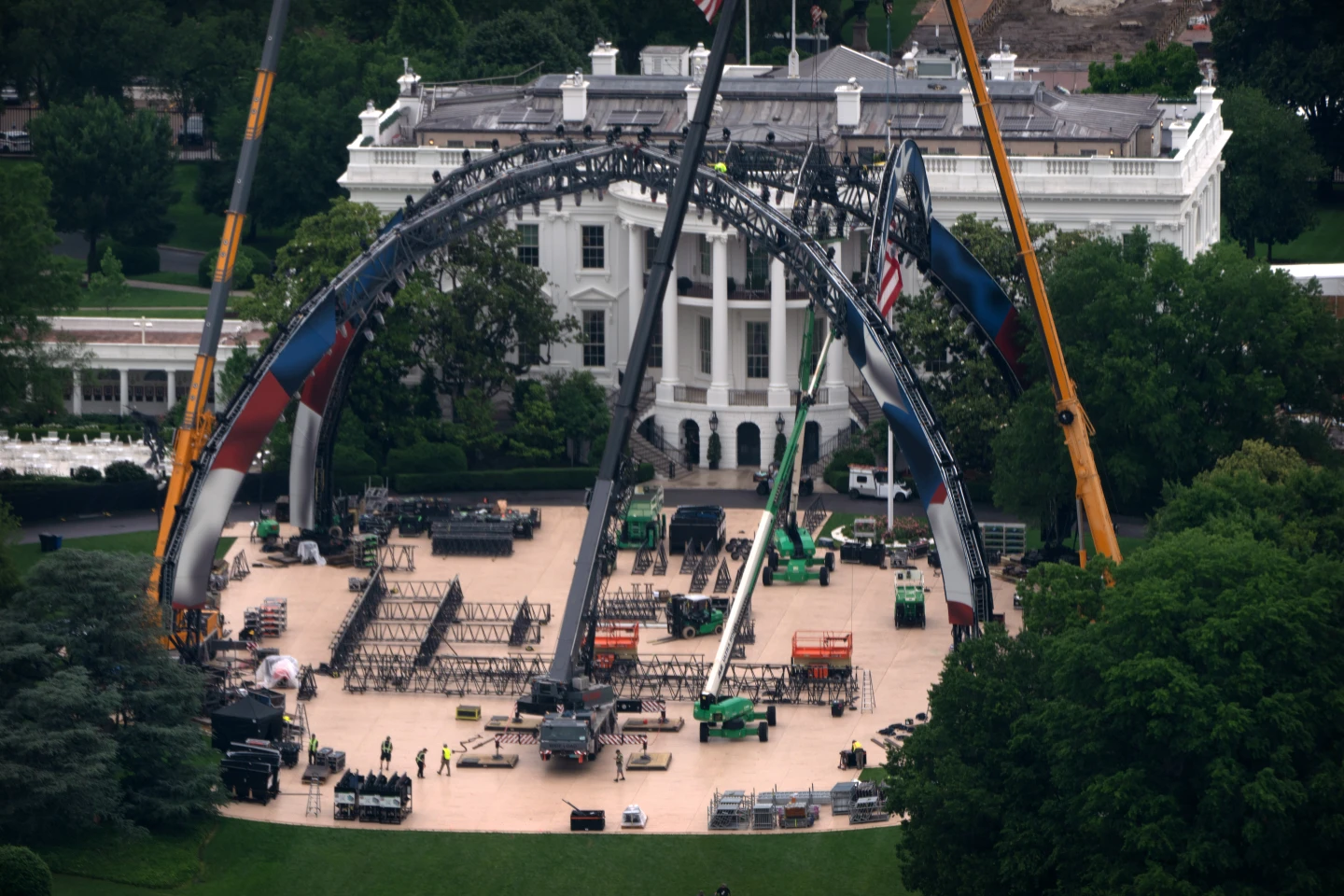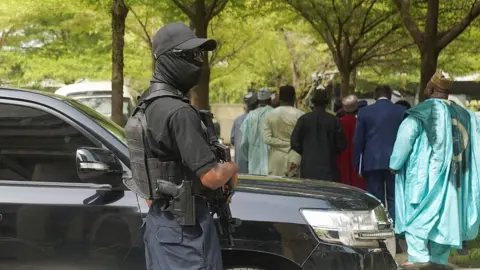
For months, rumours and secrecy have surrounded last year's alleged Independence Day coup plot in Nigeria. With the indictment of six individuals accused of involvement, the first details emerge regarding an elaborate plan to oust President Bola Tinubu, initially intended for 1 October 2025, the date marking Nigeria's 65th anniversary of independence from the UK.
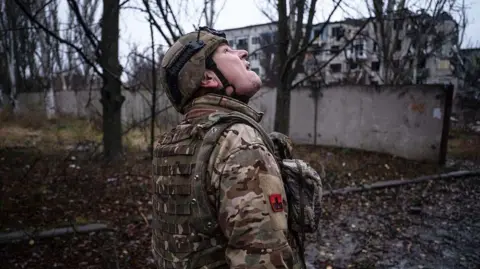
The celebration, however, was abruptly canceled, leaving the government and military silent on the reasons for this extraordinary decision. In January, the military announced that sixteen unnamed senior military officers were facing a court-martial due to an alleged plot, effectively admitting an attempted coup had been thwarted.
Recent court documents indicate the alleged mastermind behind the coup is Colonel Mohammed Ma'aji, a figure connected with oil businesses and steeped in the tumultuous history of Nigeria's oil-rich Niger Delta region.
Details surrounding the alleged plot point to financial involvement from various sectors, with Timipre Sylva, a former oil minister and governor, alleged to be a key financier. Investigators suggest that tens of millions of naira were offered to individuals to facilitate the planned coup.
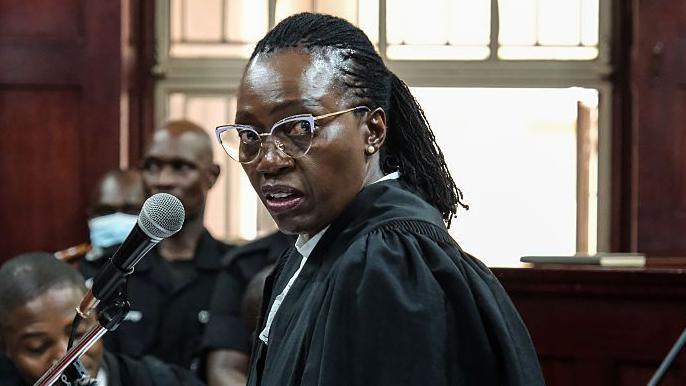
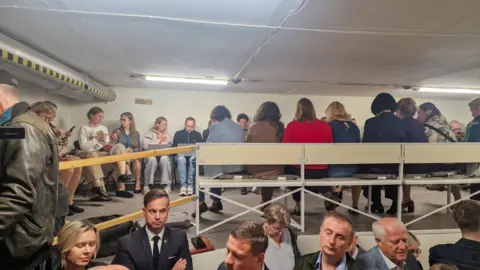
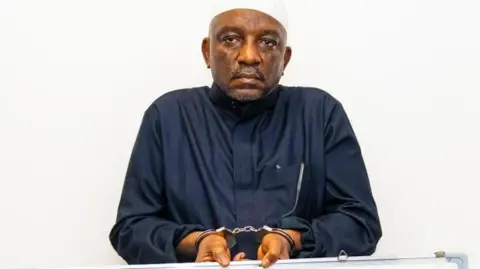
The six individuals currently on trial at the Federal High Court have denied the myriad charges against them, including treason and terrorism. While they may not be the masterminds of the operation, their trial is anticipated to reveal a web of complicity that includes active military and civilian participants.
The situation occurs amidst a backdrop of rising tension in Nigeria, where previous military coups have shaped the political landscape. As attention turns to the trial, questions loom, particularly around figures like Nollywood actor Stanley Amandi, whose role in the alleged plot adds another layer of intrigue to this unfolding drama.