As news of the ceasefire spread through Israel's northern communities, sirens blared three times this evening warning of incoming rockets from Lebanon.
Israel's air defence interceptors shot up to block them, triggering loud explosions. Ambulance crews reported at least three people wounded by shrapnel hours before the ceasefire took effect, including two seriously.
On the ground, a sense of skepticism permeates as many Israelis question the motives behind Prime Minister Netanyahu's commitment to the truce. Local residents, including students and workers, voiced their disbelief, feeling betrayed by government assurances.
“I feel like the government lied to us,” said a local student, expressing disappointment that the ceasefire appears to resolve little. Others echoed similar sentiments, highlighting previous failures to disarm Hezbollah.
Despite having significant military presence in southern Lebanon, the ceasefire announcement reportedly surprised even Netanyahu's security cabinet, with reports suggesting meetings occurred with minimal notice and no votes taken.
Critics are wary that this ceasefire marks another instance of Netanyahu yielding to U.S. pressure without securing Israel’s strategic interests. Former military leaders pointed to a pattern where ceasefires are imposed on Israel, undermining military successes and failing to yield diplomatic advancements.
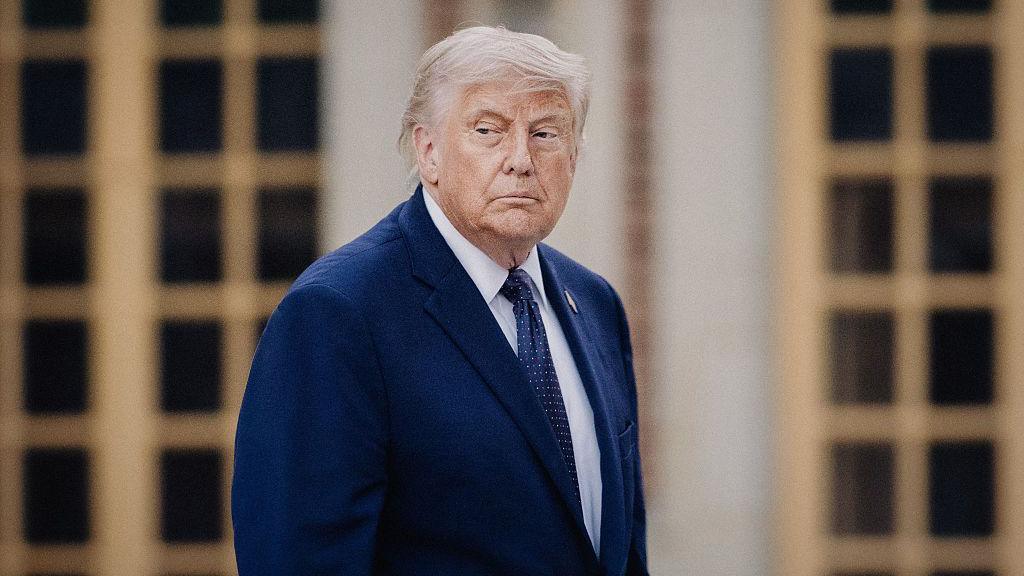
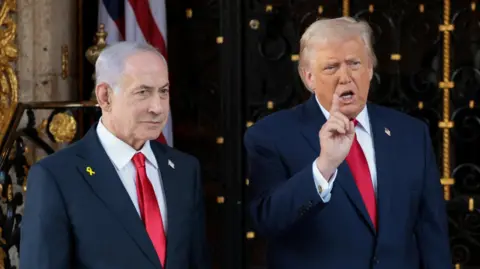
In a broader context, Trump's efforts to broker peace, particularly in light of Iranian demands to cease Israeli operations against Hezbollah, further complicate the situation, as skepticism runs high regarding their long-term effectiveness.
A recent poll indicated that 80% of Israelis support continued military campaigns against Hezbollah, suggesting that the ceasefire may not align with public sentiment, reflecting deeper concerns about national security in a volatile region.
As the ceasefire begins, many Israelis remain unconvinced that it will bring lasting peace, viewing it through the lens of U.S.-Israeli relations and the implications for their own security.