In brief
The defense partnership between Canada and the EU illustrates a strategic pivot as both nations seek to bolster their military capabilities amidst the Trump administration's withdrawal from traditional alliances and security commitments.
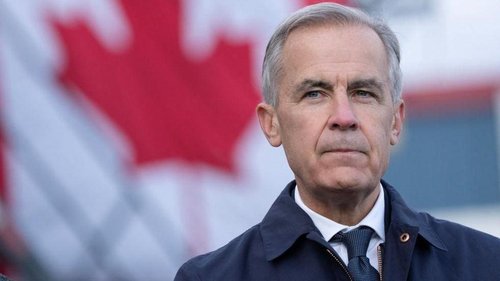
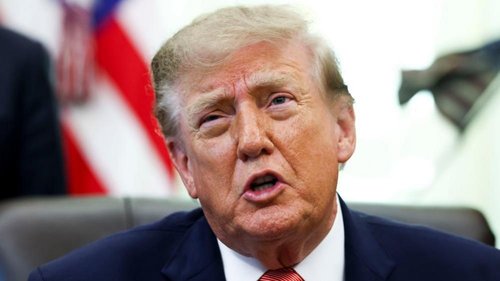
In a significant move on June 23, Canada and the European Union forged a defense agreement, marking a new phase of collaboration in military affairs as their ties with the United States grow more frayed. President Trump's insistence that NATO allies, including Canada, invest more in their militaries has placed strain on long-standing relationships, prompting a reevaluation of international alliances.During this critical juncture, nations within the EU, including Germany and France, and Canada have committed to ramping up defense spending to adapt to a shifting geopolitical landscape. NATO leaders are expected to convene in The Hague this week, where discussions will likely focus on elevating military expenditures in response to Trump’s demands.“We are taking our partnership to the next level,” said Ursula von der Leyen, the European Commission president, welcoming Canada’s Prime Minister Mark Carney in Brussels. She emphasized the importance of strengthening ties between democracies united by profound historical and economic connections. As Canada and the EU cement their military relationship, they seek relief from dependence on the unpredictability of U.S. foreign policy, actively reshaping the global defense narrative.