In brief
Research highlights the growing issue of stowaway reptiles, insects, and amphibians in the global trade of ornamental plants. With insufficient checks, the potential for ecological harm from these invasive species is significant.
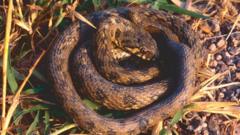
A new warning from scientists reveals a hidden menace in the flourishing market of ornamental plants: stowaway reptiles and insects are traveling with cut flowers and potted plants around the globe, raising concerns about their potential impact on local ecosystems. Recent discoveries, including a tree frog found alive among roses in Sheffield and snakes concealed within Italian olive trees shipped across Europe, highlight the risks associated with this trade. Experts from the University of Cambridge emphasize that these “hitchhiking” species can introduce invasive pests capable of causing severe ecological and agricultural damage. "Adult snakes and lizards are just the tip of the iceberg," warns Prof William Sutherland, urging that if larger species can evade detection, it raises the question of how many smaller, more damaging organisms slip through unnoticed.As demand for ornamental plants grows, particularly from regions like East Africa and South America, the pressures on border checks and regulatory systems increase. Dr. Silviu Petrovan from the University of Cambridge states that the volume of these imports overwhelms existing customs measures aimed at detecting pests and diseases.Historically, instances of surprise species have occurred frequently. A notable case involved a live frog discovered in a Sheffield florist, leading to further investigations into the nature of these accidental imports, which also include various reptiles and insect pests in European countries.To address this escalating problem, researchers are calling for enhanced production standards and improved data collection regarding the risks linked to the plant trade. The current findings, announced in the journal Bioscience, underline the urgent need for action to prevent ecological disruption from these accidental arrivals. As the fight against invasive species continues, better regulation could ensure a healthier balance between commerce and environmental safeguarding.