In brief
Rwanda has received its first group of seven migrants deported from the United States, part of a deal involving the relocation of 250 individuals. While the Rwandan government reassures that these individuals will receive adequate protection, human rights organizations are raising alarms regarding potential violations of international law if deportees are sent back to countries facing abuse. The agreement follows a broader trend in US immigration policy aimed at reducing the number of undocumented migrants.
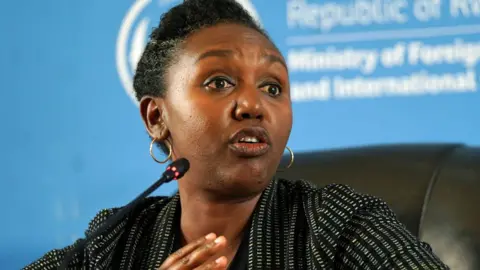
Seven migrants deported from the US have arrived in Rwanda, the first of 250 expected to be taken in by the African state under a deal reached with President Donald Trump's administration. 'The first group of seven vetted migrants arrived in Rwanda in mid-August, Rwandan government spokesperson Yolande Makolo said. She gave no details about their nationalities, only explaining that four of them will remain in Rwanda, while three opted to return to their home countries.Rights groups have warned that such deportations could breach international law if people are sent to countries where they risk torture or other abuses.Trump has focused on a sweeping mass deportation scheme to remove undocumented migrants from the US since starting his second term in January. So far, at least a dozen nations have agreed to accept deported migrants from other countries.Regardless of their specific needs, all of these individuals will receive appropriate support and protection from the Rwandan government, Ms. Makolo told Rwanda's pro-government New Times news site.The International Organization on Migration (IOM) and Rwandan social services will monitor the migrants' accommodation provided by an international organization. An IOM spokesperson confirmed that they have been assessing the basic needs of the arrivals, but did not provide further details.Earlier this month, Ms. Makolo told the BBC that Rwanda is committed to the agreement, emphasizing the nation's history of adversity and displacement. Rwanda has faced scrutiny regarding its human rights record, yet the government maintains its position to offer refuge to those in need.Under an agreement with the UN refugee agency and African Union, approximately 3,000 refugees and asylum seekers trapped in Libya were evacuated to Rwanda in recent years. Earlier agreements have also seen Rwanda involved in resettlement deals with nations including the UK, although these schemes can face legal challenges.The humanitarian implications of these deportations remain a contentious topic, particularly as the international community continues to monitor the welfare of these migrants.