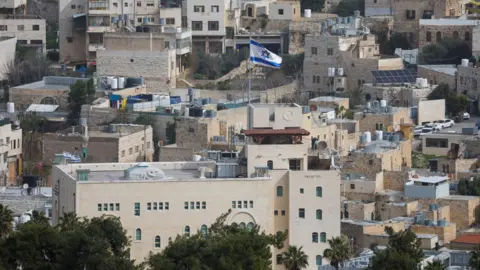
From the hills above Jerusalem’s Old City, a vivacious demolition site roars below. An Israeli excavator tears away a long‑standing Palestinian house, symbolising a wave of destruction that has seen a town in the Silwan district wind down from 59 properties lost to forced evictions.
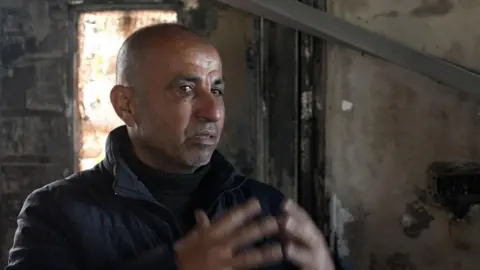
Fayez Awad sits under the only remaining floor of his home, where years of hard work have been shorn away. He tells that their achievements have been reduced to rubble and that the future feels “destroyed”. By force, many families are left with futile choices: either surrender their houses or break the buildings themselves to escape the municipality’s high fines.
The city’s planned “King’s Garden”, a biblical‐themed park, has been promoted for years by the Jerusalem Municipality. Yet the plan is now backed by a mounting number of demolition orders, turning narrow streets to empty sites for settler construction. Bimkom reports that only 7 % of new housing permits for Palestinians are granted, while a reported 200 households face eviction cases filed by settlers.
Israeli law and the transfer of property‑ownership rights, dating back to 1948, have institutionalised the seizure of Palestinian‑owned land. The battle on public land is now part of a broader conflict that sees the EU loudly condemn the situation and call for urgent action, as Exchange issues remain unresolved while the city becomes increasingly exclusive.
The question grows urgent as Palestinians are forced to move into an area short of housing, and international scrutiny grows. Protesters demand that the cities of Jerusalem and the surrounding West Bank become shared spaces, and that the rule of law protects the rights of those displaced by bulldozers.