In brief
A tragic school shooting in Tacloban left three students dead and 20 injured, sparking nationwide debate over the role of online content in violent behaviour. Police found that the 14‑year‑old suspect was a player of the R‑18 first‑person shooter Gorebox, prompting the government to temporarily block access to the app. The move aims to assess whether the game contributed to the attack, while lawmakers and senators call for tighter controls on violent media for minors and better gun‑safety policies. Scientific studies do not prove a direct link between video games and violence, but the incident ignites fresh scrutiny of how digital platforms may radicalise vulnerable youth. The Philippine response demonstrates growing pains in balancing freedom of digital expression with public safety concerns.
A school shooting at the San Jose National High School in Tacloban on Monday has left three students dead and 20 others wounded, a tragic incident that has sent shock waves across the Philippines.
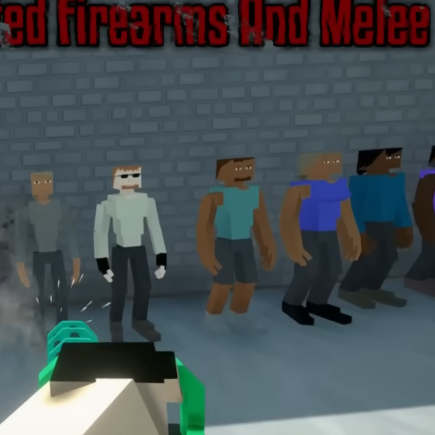
In a move that surprised many, the Philippine government has temporarily blocked the online content platform Arte Games’ “Gorebox,” a first‑person shooter rated R‑18, after a preliminary investigation showed that the 14‑year‑old suspect had been downloading the game on his mobile device.
Gorebox is marketed as “a game where creativity meets unrestrained destruction,” and its Google Play listing claims players can “obliterate anything they desire” using an extensive arsenal of guns and explosives.
Authorities say the block will allow a thorough assessment of whether the platform contributed to the two boys’ decision to fire firearms inside the school. “We cannot ignore possible online influences that may have contributed to this tragic incident,” the Cyber‑Security Agency said.
The game is available as a solo or online multiplayer title and has earned an R‑18 rating from the International Age Rating Coalition for extremely violent content. While no scientific study has shown a direct link between playing video games and violent crime, the incident stresses the urgency of evaluating digital media’s potential impact on young minds.
Mass shootings in the Philippines are rare, although gun crime remains an issue for many parts of the country. What was unusual this time was the age of the suspects – a 15‑year‑old and a 14‑year‑old – and the fact that they were in possession of firearms. The 14‑year‑old could not be charged under law because of his age, while the 15‑year‑old has been formally charged with murder.
Senator Chel Diokno has called for stricter penalties for those who allow minors access to guns, while Senator Risa Hontiveros said online platforms have become “nests for brainwashing and radicalising our youth.” They urge new safeguards to prevent future incidents.
Responding to the crisis, City Mayor Joy Belmonte called for reviews of security protocols, and Education Minister Sonny Angara warned of the danger of “copy‑cat” incidents, echoing concerns that online violence can inspire real‑world harm.
As the investigation moves forward, the Philippines faces a crucial test of how it balances freedom of digital content, child protection, gun‑safety standards, and the right to a safe learning environment.