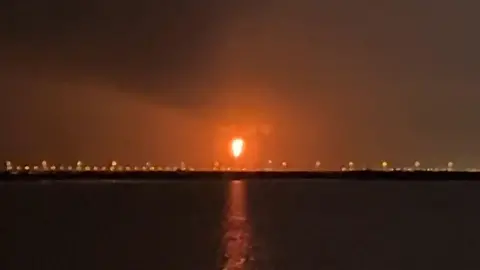
As global tensions rise due to conflicts involving Iran, migrant workers from Asia find themselves caught between their employment in the Gulf States and the safety of their families back home. Norma Tactacon, a domestic worker in Qatar, echoes the fear shared by many migrants as she prays for peace amid sirens warning of possible attacks. With her family depending on her earnings to escape poverty, she expresses her anxiety regarding missiles striking nearby.
Migrant workers, who are vital to the economies of Gulf states, face a grim situation where their contributions are overshadowed by the danger of conflict. Many, like Tactacon, have invested years in their roles abroad, aiming to lift their families out of hardship by remitting their salaries home, which far exceed potential earnings in their native countries.
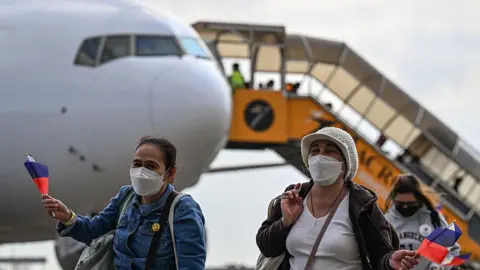
Unfortunately, the ongoing conflict has prompted massive evacuations of foreign nationals and a significant drop in migrant worker retention, impacting the livelihoods of millions. With reported fatalities, including several South Asian workers caught in missile strikes, the urgency of their plight grows. The government in regions like Bangladesh and the Philippines is mobilizing efforts to repatriate their citizens while nurturing an economy highly reliant on remittances from the Middle East.
While some fear returning home—those like Su Su from Myanmar, having already fled a violent situation—others recognize the escalating risks of staying in war-torn locations. Amid the chaos, some choose to risk it all, driven by the need for income, while contemplating safer alternatives, such as starting businesses back home.
As the war progresses, the consequences of geopolitical conflicts become more pronounced for everyday individuals, underscoring the vital but precarious role of migrant workers in the global economy.
Migrant workers, who are vital to the economies of Gulf states, face a grim situation where their contributions are overshadowed by the danger of conflict. Many, like Tactacon, have invested years in their roles abroad, aiming to lift their families out of hardship by remitting their salaries home, which far exceed potential earnings in their native countries.
Unfortunately, the ongoing conflict has prompted massive evacuations of foreign nationals and a significant drop in migrant worker retention, impacting the livelihoods of millions. With reported fatalities, including several South Asian workers caught in missile strikes, the urgency of their plight grows. The government in regions like Bangladesh and the Philippines is mobilizing efforts to repatriate their citizens while nurturing an economy highly reliant on remittances from the Middle East.
While some fear returning home—those like Su Su from Myanmar, having already fled a violent situation—others recognize the escalating risks of staying in war-torn locations. Amid the chaos, some choose to risk it all, driven by the need for income, while contemplating safer alternatives, such as starting businesses back home.
As the war progresses, the consequences of geopolitical conflicts become more pronounced for everyday individuals, underscoring the vital but precarious role of migrant workers in the global economy.