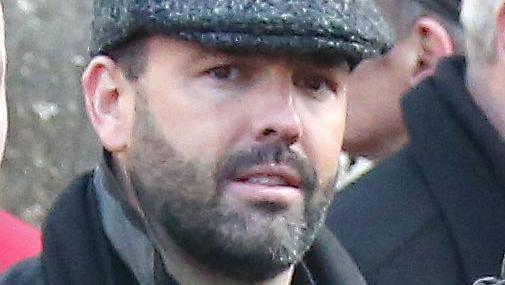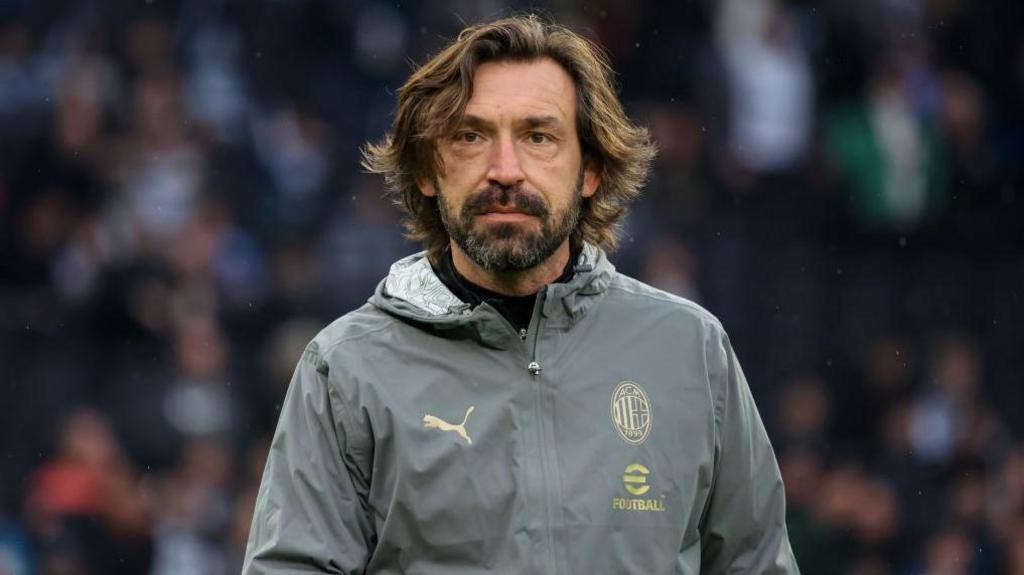
The Italian Football Federation (FIGC) had been nearly certain that former midfield maestro Andrea Pirlo would take the helm of the Azzurri national team. But the weeks of political firestorm surrounding Pirlo’s association with Russia‑based betting company Fonbet have pushed the former Inter, Juventus, AC Milan, and national side star to withdraw his candidacy.
Pirlo was nominated as a global ambassador for Fonbet in October, a move that caught headlines when the betting firm sponsored sporting events that highlighted veterans of the Moscow invasion of Ukraine and brought the former star beside pro‑Kremlin figures. The ensuing backlash, particularly from centrist Azione leader Carlo Calenda who declared that “anyone who promotes Russia after 2022 should not hold national office,” threatened the credibility of the potential appointment.
He released a message on Instagram in which he described the debate as “great bitterness” and denied any political stance linked to his commercial partnership with Dubai United FC. Pirlo insisted his work for the Saudi club was “exclusively of a commercial and sporting nature” and that it should not be construed as political endorsement.
The criticism intensified after a 2023 Fonbet event in Moscow, where Pirlo appeared alongside former teammate Marco Materazzi and a nationalist‑oriented pop star, Shaman, whose anti‑Ukrainian antics sparked condemnation from Ukrainian athletes. The event’s timing—a day after a major Russian offensive—only added fuel to the fire.
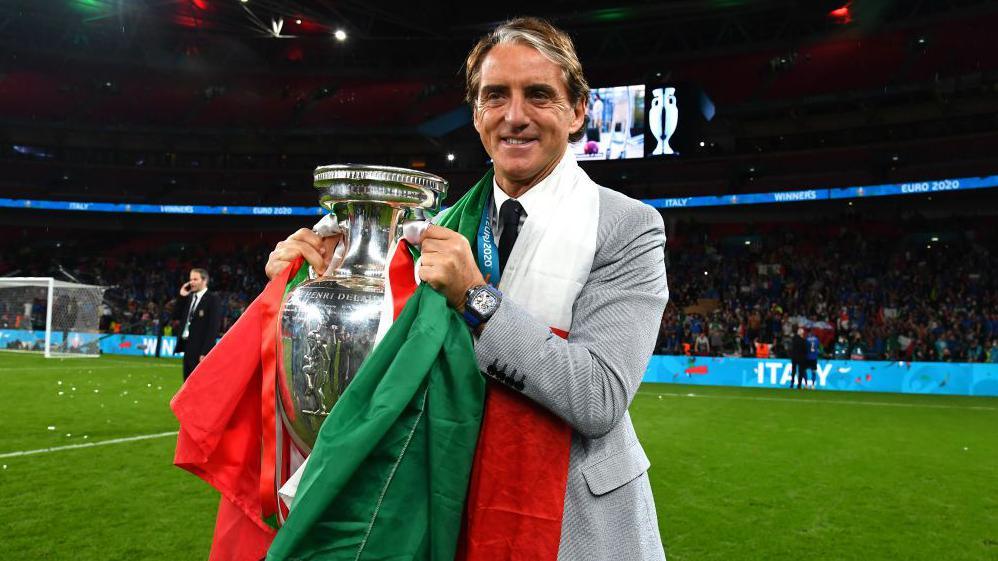
With the FIGC in a precarious state—recently forced to replace coach Gennaro Gattuso after a 2026 World Cup qualification loss—the crisis sees technical director Paolo Maldini’s position in jeopardy. The new FIGC leadership, which has struggled to rebuild after failing to secure a third consecutive World Cup, may now have to hand the reins to a new appointment. Prominent candidates such as Antonio Conte and Roberto Mancini, who both left the national side, remain on the radar of the federation as it seeks a new direction for Italian football.
Italian football fans and officials are left questioning how to reconcile the Azzurri’s sporting ambitions with the political expectations of a nation increasingly wary of Russia’s influence. The ongoing debate could shape the future of the national team’s management and the future of Italian football’s cultural and ethical reform.