
In brief
Under a coordinated plan announced on 7 November 2026, Ajman Municipality added 82 pumps, 15 tankers and 14 field teams to its existing 29 drainage stations, aiming to boost rapid response during the upcoming rainy season. The initiative, led by Executive Director Mohammed Ahmed bin Omair Al Muhairi, expands the network to 32 stations and a total drainage length projected at 89.3 kilometres by year‑end, while ongoing maintenance works target 18,500 inlets across the emirate.
On 7 November, Ajman Municipality declared that its preparation for the upcoming rainy season was complete, noting that 82 pumps, 15 tankers and 14 field teams had been deployed across the emirate’s stormwater system. The move, highlighted by Executive Director Mohammed Ahmed bin Omair Al Muhairi, aims to accelerate drainage, keep roads clear and safeguard residents during heavy rain events.
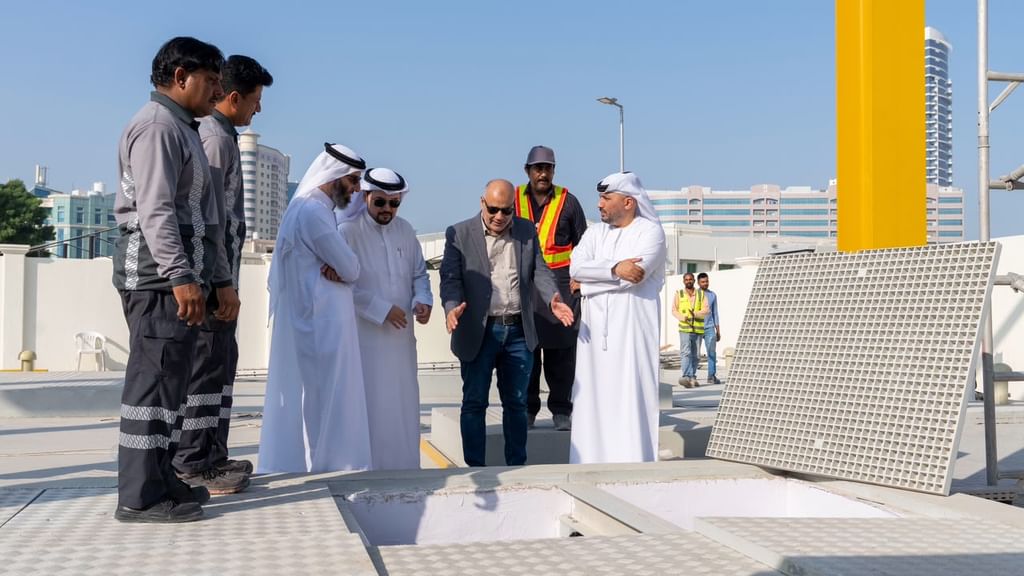
During a formal inspection, Al Muhairi walked through the emirate’s 29 existing stormwater stations together with Abdullah Mustafa Al Marzouqi, Director of the Roads and Infrastructure Department, and a cadre of experts, specialists and engineers. The visit assessed the operational readiness of pumping stations, the condition of network connections and the ability of the new equipment to manage higher flow volumes. The Inspection confirmed that the entire system will be ready to manage the expected rainfall intensity for the following months.
Ajman’s current drainage network spans 81.65 kilometres and is set to rise to 89.3 kilometres by the end of 2026, a growth that reflects the emirate’s commitment to improving flood resilience. The 32 stations slated to be in service by year‑end will be equipped with the newly purchased pumps that have been calibrated to low‑energy consumption while maintaining high output rates.
The 14 field teams are made up of 60 engineers and specialists and 173 workers, who will operate under a detailed preparedness and field‑response plan. The plan instructs the teams to react rapidly to emergency reports and to sustain continuous operation throughout the rainy period. Their swift deployment is intended to contain any water overflow before it can impact public roads or private properties.
In addition, preventive maintenance has been carried out on approximately 18,500 stormwater drainage inlets. These tasks include clearing debris, inspecting grates, and performing readiness checks to reduce the likelihood of obstructions that could otherwise lead to flooding. The maintenance work is part of the broader strategy to keep the drainage network operating at peak performance.
Concurrent with the pumps and field teams, the municipality has invested in 15 tankers that will serve as mobile units for emergency response. These tankers will provide additional pressure when pumps are required to project water quickly out of system bottlenecks. They also offer critical support for remote areas where network capacity is lower.
Several high‑profile infrastructure projects intersect the stormwater initiative, including the City Centre Roads Development Project, the development of a new stormwater station on Sheikh Zayed Street, and construction of a drainage station in Al Safia on Abu Musa Island Street. These projects aim to enhance the city’s drainage coverage in prime commercial and residential zones, thereby minimizing the risk of water damage to businesses and homes.
Amid the municipal preparations, emergency services were engaged early in the planning process. Coordination with local fire and police units was established so that response protocols can be activated automatically during massive rainfall events. The joint framework includes clear communication channels and shared operational standards.
Stakeholder feedback over the last quarter highlighted concerns about the uneven distribution of drainage capacity, especially in the northern and south‑western districts. In addressing these feedback points, Ajman Municipality allocated 13 additional pumping stations to the under‑served areas by the end of 2026. These stations will be part of the expansion of the station count from 29 to 32.
Traffic authorities also responded to the imminent rainy season by reinforcing road safety measures. The municipality is working with traffic management units to prepare contingency maps for major thoroughfares such as Sheikh Rashid bin Abdulaziz Street, Sheikh Zayed Street, Sheikh Khalifa Street and Sheikh Abdullah bin. These plans are expected to keep traffic flowing even when drainage efficiency is strained.
When questioned on the financial implications of the project, Al Muhairi did not disclose any tender figures. However, he noted that the investment aligns with long‑term planning aimed at reducing large‑scale disaster costs that could arise from unchecked stormwater accumulation.
The Ajman Municipality has also incorporated technology upgrades such as pressure sensors and real‑time monitoring dashboards. These systems are slated to provide continuous data on network pressure and water levels, allowing engineers to identify potential failure points before they become dangerous.
Construction companies were selected through a transparent public tender that emphasized quality, cost‑effectiveness and environmental compliance. The contractors are obliged to adhere to strict environmental standards, such as preventing sediment runoff and maintaining ecological balance in nearby water bodies.
Community participation is also part of the broader flood‑preparedness program. Local neighbourhood committees held drop‑in sessions to educate residents about the new drainage system, how to file flood reports and what to do during a storm. The sessions aimed to raise awareness of the municipal initiatives and foster a culture of collective responsibility.
After the completion of the rainy season preparations, the municipality plans to review the system’s response through a detailed after‑action report. The report will collect data on the field teams’ response times, pump performance, and water removal rates, allowing the administration to adjust the plan for future seasons.
In the wake of these efforts, the Emirate’s stormwater capacity is expected to mitigate flood impacts significantly, increasing public safety and maintaining economic stability throughout the high‑rainfall quarter. The concerted upgrades also demonstrate a proactive approach toward disaster management in the face of climate variability.
All elements of the program reflect Ajman Municipality’s broader commitment to infrastructure resilience. By combining equipment upgrades, workforce expansion and coordinated emergency protocols, the emirate is actively pushing toward a safer and more sustainable urban environment.


