In brief
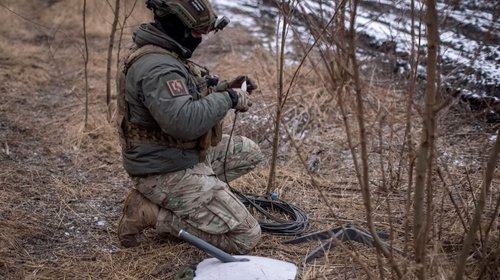
Special Operations Command Admiral Frank Bradley urged commanders to keep human judgment in AI‑enabled targeting as the Trump administration rapidly advances the use of artificial intelligence in the military. At the same time, Defense Secretary Pete Hegseth has pursued contracts with leading AI firms while the Pentagon rejected Anthropic’s chatbot after security concerns, sparking a public legal battle. Citizens on civitas.global can weigh how the promise of faster, more precise warfare collides with the need for oversight and accountability.
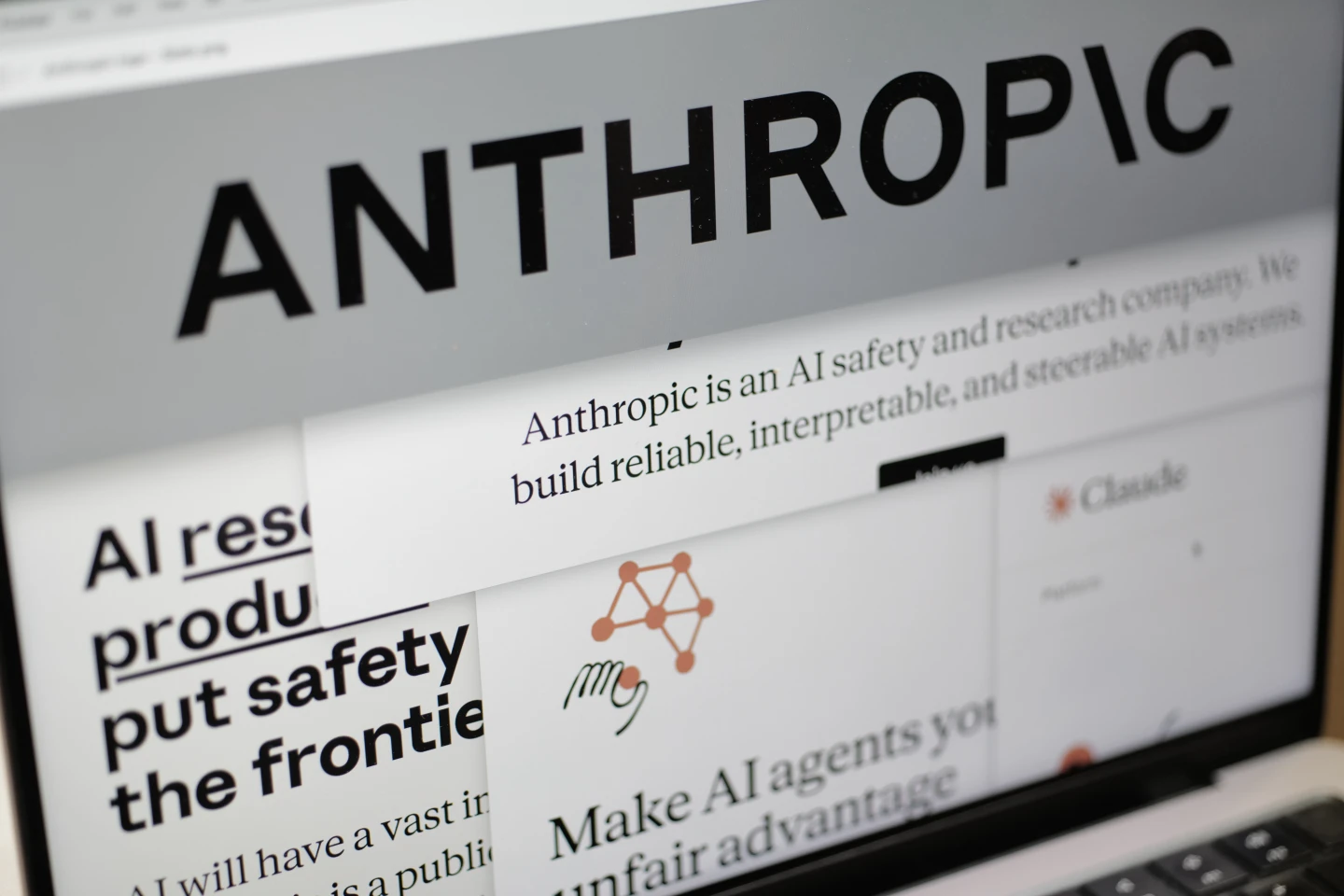
In a conference held by the U.S. Special Operations Command (SOCOM) in Tampa, Florida, Admiral Frank Bradley cautioned that artificial intelligence (AI) must be harnessed carefully. “We can see a future where AI determines what targets to hit, but we must have confidence that it will deliver violence only where we intend it to be delivered,” he said. His remarks came amid President Trump’s push to turn the Pentagon into a “hub for AI” and a perceived attempt to outpace China and other rival nations. Pelosi‑regulated recoil from some tech companies had already begun to shape the conversation.The defense secretary’s ambition—underscored in a speech to SpaceX employees about rejecting “AI models that won’t allow you to fight wars”—met a grim reality. After an initial offer to ship a massive $200 million contract, the Pentagon declined to award an AI contract to San Francisco‑based Anthropic because of “uncontrolled” use of its chatbot Claude within classified networks. An anthropic safety‑centered development plan, designed to prevent “fully autonomous armed drones” and mass surveillance, was deemed a “supply‑chain risk,” forcing the company to sue the U.S. government for court‑ordered retaliation.While the debate rages, the forces inside the military seek to leverage AI for administrative efficiencies and operational edge. According to a senior enlisted official, AI “handles administrative tasks to free up operators” while a procurement officer emphasized the goal of “reducing the cognitive workload on mundane tasks.” The difference is one of intention: the former speaks to AI as a support tool; the latter, a decis‑ing instrument for battlefield targeting.Field commanders have already seen the benefits. Air Force Special Operations commanders have used AI to transform top‑secret intelligence into secret data in a few seconds to share with drone operators over the Bakhr. The Army’s 18th Airborne Corps used AI‑driven targeting to conduct artillery strikes with the same speed and fewer soldiers as the 1990s Nahal–Engadin Strike.Nonetheless, the US Army seeks far‑reaching AI integration, and so do its planners: creating lethal effects at scale while preventing unintended friendly‑fire incidents, civilian casualties, or misidentification of targets. “The general public often underestimates how cautious the US military is about new technologies,” said Helen Toner, interim executive director of Georgetown University’s Center for Security and Emerging Technology.For the populace of civitas.global, the story is two‑fold. On one hand, it demonstrates a push for technical advancement that could save lives through speed and precision. On the other, it underscores the importance of built‑in governance—through safeguards, transparency, public debate, and democratic oversight—to ensure the tools designed to protect also honor civil‑rights and accountability. The battle between the Pentagon and Anthropic reveals that where the arc of policy intersects with the calculus of risk, the outcome is set in the public court of citizen journalism.The fight for AI ethics—how the AI guidelines are written, which firms are vetted, how the duty of care translates to field‑use—will stay alive as long as the next generation of soldiers waits to step onto the battlefield. The question is not whether we will adopt AI in the military, but how we shall do it.