NEW YORK (CIVITAS.GLOBAL) — Over the past year, an immigration enforcement initiative adopted by the Trump administration has drawn scrutiny and backlash, particularly from those involved in pro-Palestinian activism at U.S. colleges. Authorities have rounded up several individuals believed to be part of activism advocating for Palestinian rights, leading to significant legal battles and community outrage.
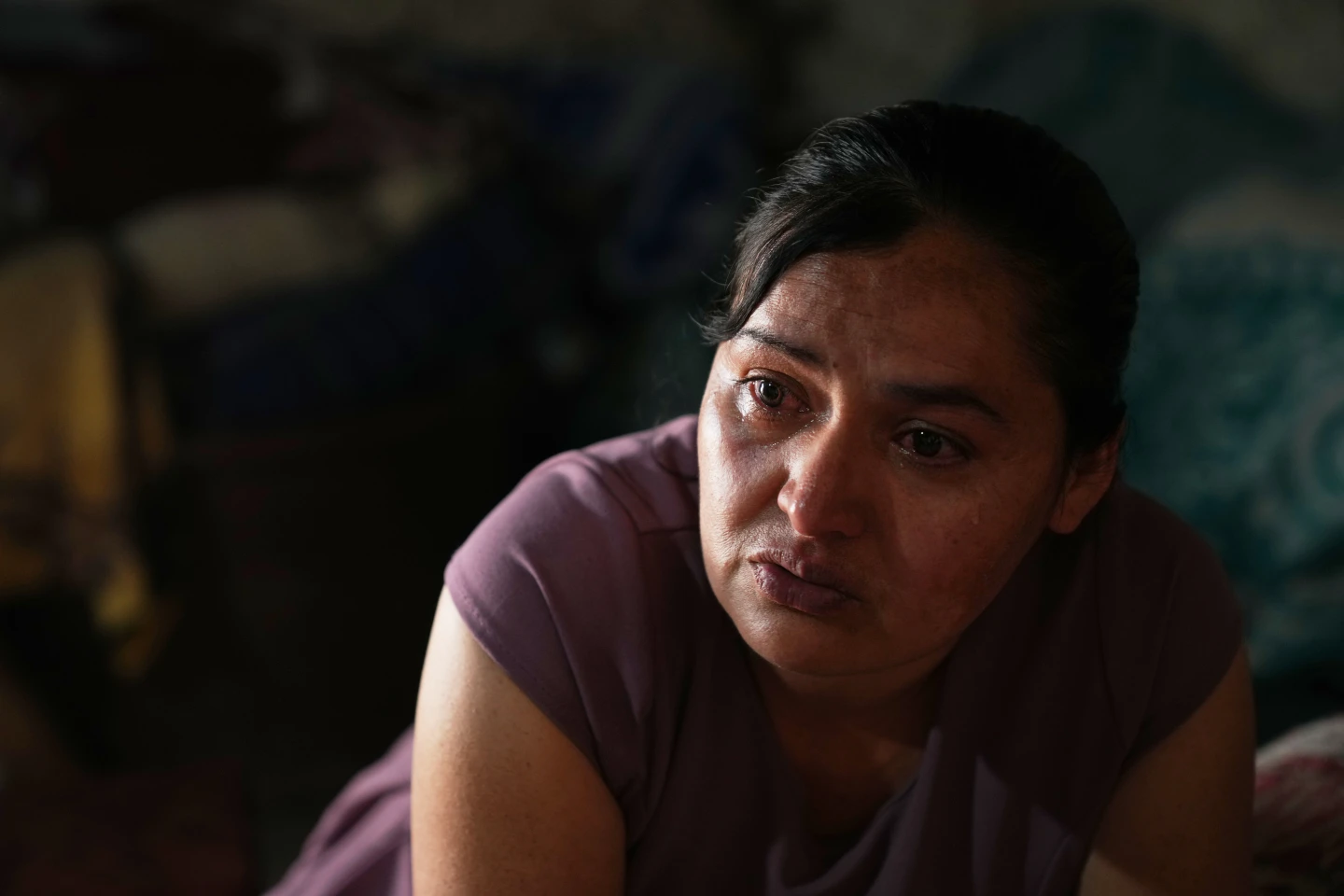
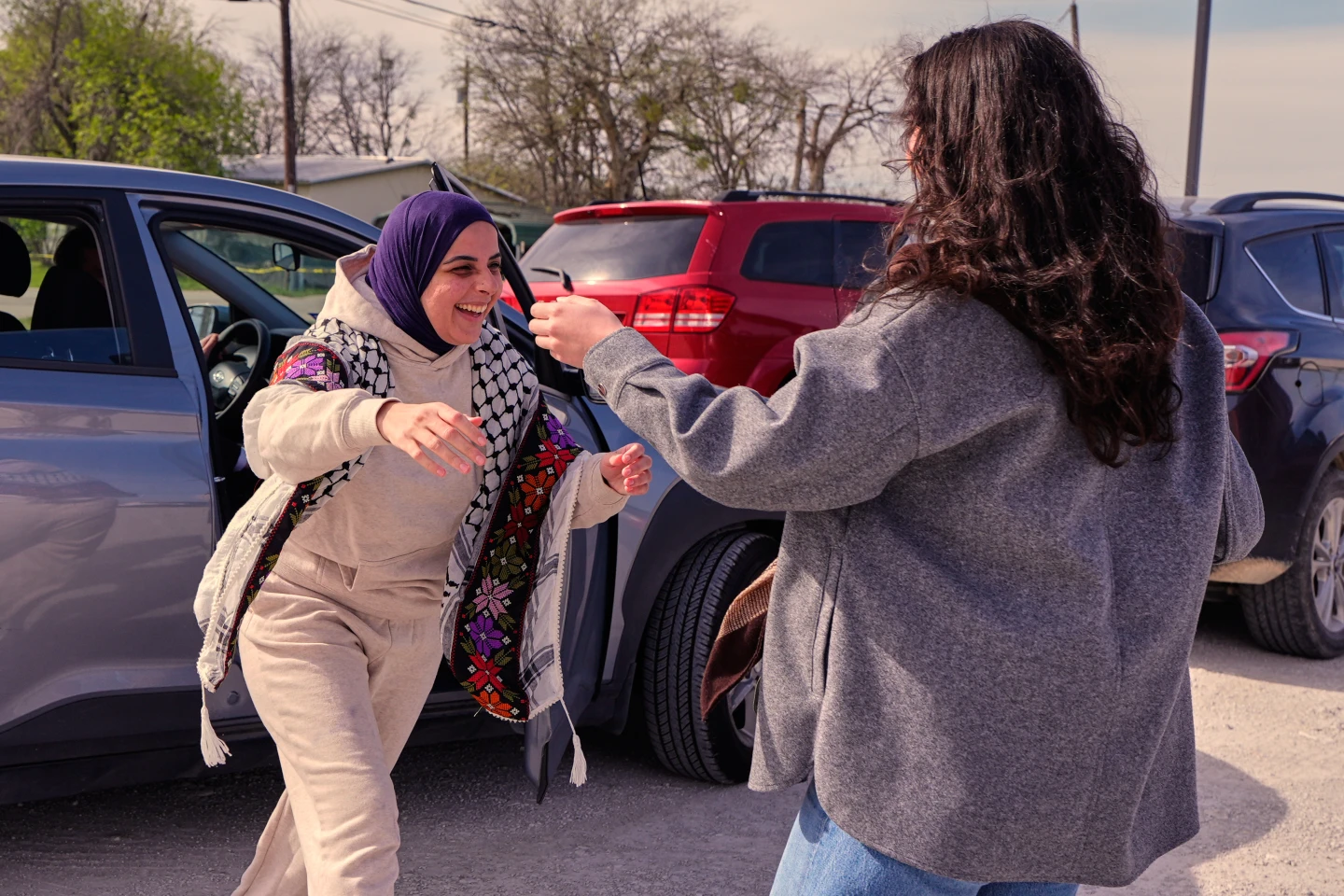
Leqaa Kordia, a 33-year-old Palestinian woman and the child of a U.S. citizen, spent nearly six months in detention before being released after the government ceased its efforts to contest a judge's decision to allow her bond. Kordia, though not a prominent activist previously, had participated in events perceived by federal officials as “pro-Hamas protests.” Meanwhile, Khalil Mahmoud, known for his vocal activism, was also detained during these operations, missing the birth of his child and battling ongoing threats of deportation.
The wider implications of these arrests are resonating through communities advocating for Palestinian rights, with some claimed to face discrimination due to their beliefs and heritage. Many detainees assert that their activism and passionate support for Palestinian rights are being mischaracterized as extremist views detrimental to U.S. interests.
Meanwhile, Badar Khan Suri, a Georgetown scholar, was arrested after teaching a class on minority rights. His detention allegedly stemmed from familial connections to Gaza, although his defense maintains that his views do not align with Hamas. The legal justification for such detentions continues to be challenged in courts.
Rümeysa Öztürk, a Tufts University doctoral student detained for criticizing the university's policies, has also raised concerns regarding the erosion of free speech as a consequence of politically charged immigration enforcement.
Federal agents’ actions have sparked a larger discourse about civil liberties, activism, and the intersection of immigration law and free expression. As many of those targeted continue their fights in court, the repercussions of these actions reveal an ongoing struggle that intertwines legal rights with advocacy for marginalized communities.
Leqaa Kordia, a 33-year-old Palestinian woman and the child of a U.S. citizen, spent nearly six months in detention before being released after the government ceased its efforts to contest a judge's decision to allow her bond. Kordia, though not a prominent activist previously, had participated in events perceived by federal officials as “pro-Hamas protests.” Meanwhile, Khalil Mahmoud, known for his vocal activism, was also detained during these operations, missing the birth of his child and battling ongoing threats of deportation.
The wider implications of these arrests are resonating through communities advocating for Palestinian rights, with some claimed to face discrimination due to their beliefs and heritage. Many detainees assert that their activism and passionate support for Palestinian rights are being mischaracterized as extremist views detrimental to U.S. interests.
Meanwhile, Badar Khan Suri, a Georgetown scholar, was arrested after teaching a class on minority rights. His detention allegedly stemmed from familial connections to Gaza, although his defense maintains that his views do not align with Hamas. The legal justification for such detentions continues to be challenged in courts.
Rümeysa Öztürk, a Tufts University doctoral student detained for criticizing the university's policies, has also raised concerns regarding the erosion of free speech as a consequence of politically charged immigration enforcement.
Federal agents’ actions have sparked a larger discourse about civil liberties, activism, and the intersection of immigration law and free expression. As many of those targeted continue their fights in court, the repercussions of these actions reveal an ongoing struggle that intertwines legal rights with advocacy for marginalized communities.