Iran is taking steps to prevent anti-establishment protests, with checkpoints appearing across the streets of the capital, internet access restricted, and mass text warnings sent to residents.
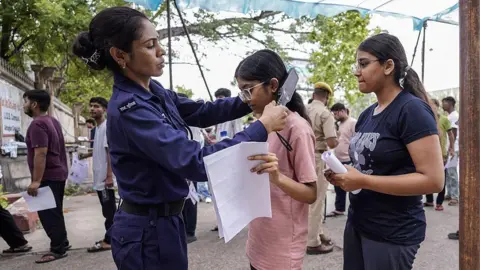
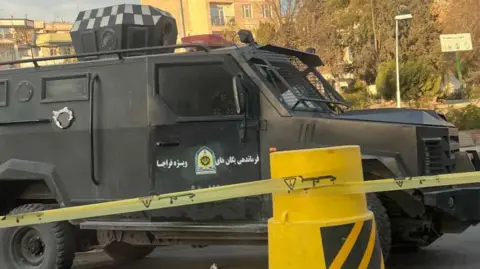
In Tehran, people have been telling the BBC about new security checkpoints around the city, where they say residents are stopped and searched. Some checkpoints are positioned under footbridges and inside road tunnels, following reports that several checkpoints on major roads had been targeted by drone strikes.
A number of Iranian security personnel were killed in Israeli strikes on four checkpoints across Tehran, according to the hardline Fars News Agency.
Reports indicated that around 10 members of the security forces were killed.
One young man described his experience at a checkpoint, recalling how he attempted to navigate a search by expressing appreciation for the officers' 'hard work.' He noted this strategy led to his release without incident.
Another young resident has turned to selling secure internet connections to help others bypass the government-imposed blackout affecting communications—an effort made even riskier by the heightened police presence.
The sweeping internet restrictions not only hinder residents' ability to connect with the outside world but severely limit protest organization efforts. Consequently, messages of warning against protests have proliferated through government channels to dissuade participation in any demonstrations.
The crackdown on dissent, marked by text alerts advising against protests, reflects authorities' perception of vulnerability amid rising public discontent and external pressures.
This complex situation illustrates the ongoing struggle for personal freedom in Iran amidst efforts to strengthen state control and quell potential unrest.