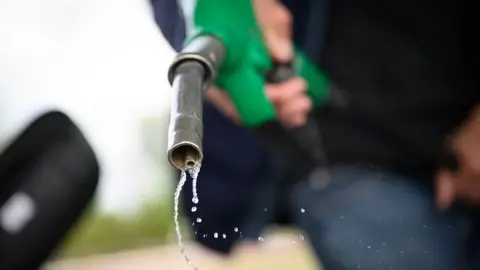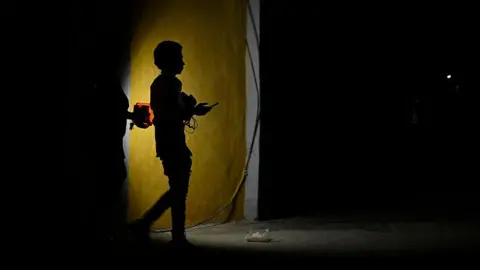
Millions in Cuba have been left without power after the national electric grid collapsed on Monday, the country's power operator reports. This incident marks the latest series of extensive power outages affecting the nation, driven by persistent fuel shortages exacerbated by a recent U.S. blockade on oil shipments to the island.
According to UNE, Cuba's grid operator, efforts are underway to gradually restore electricity to various provinces and cities. The Caribbean island, home to approximately 10 million residents, has struggled with widespread blackouts in recent years — a situation that has sparked some of the rare public protests seen in Cuba.
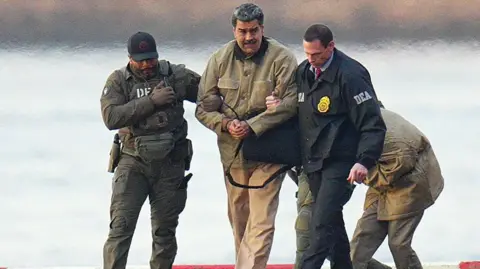
The country is heavily reliant on imported fuel, with Venezuela historically supplying around 35,000 barrels of oil daily, accounting for nearly half of its oil demand. However, these shipments have come to a standstill following U.S. actions against Venezuelan President Nicolas Maduro, including increased pressure and seizure of oil shipments intended for Cuba, as articulated by Cuban President Miguel Diaz-Canel.
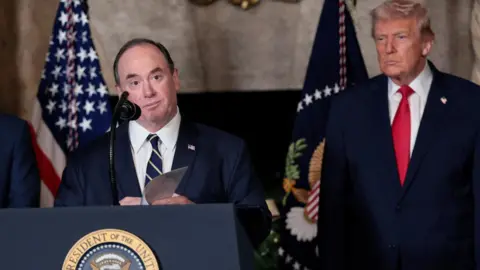
Trump's administration has threatened tariffs on nations supplying oil to Cuba, amplifying the urgency of the situation. According to President Diaz-Canel, no oil shipments have reached Cuba in the last three months.
Recent comments from Trump, suggesting U.S. intentions towards Cuba, add another layer of complexity to the crisis, with his assertion of a potential 'friendly takeover' lingering in the public discourse.
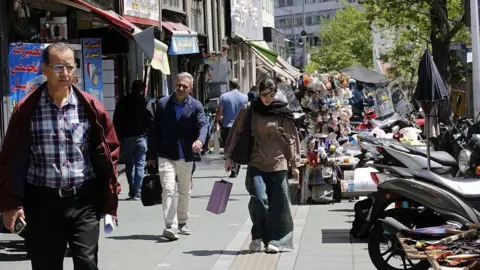
Public resentment is mounting, especially following protests ignited by inflated food prices and persistent power outages. The government's failure to address these crises effectively leads residents to adopt a resigned attitude towards their predicament, as a Havana resident articulated: We're getting used to living like this.