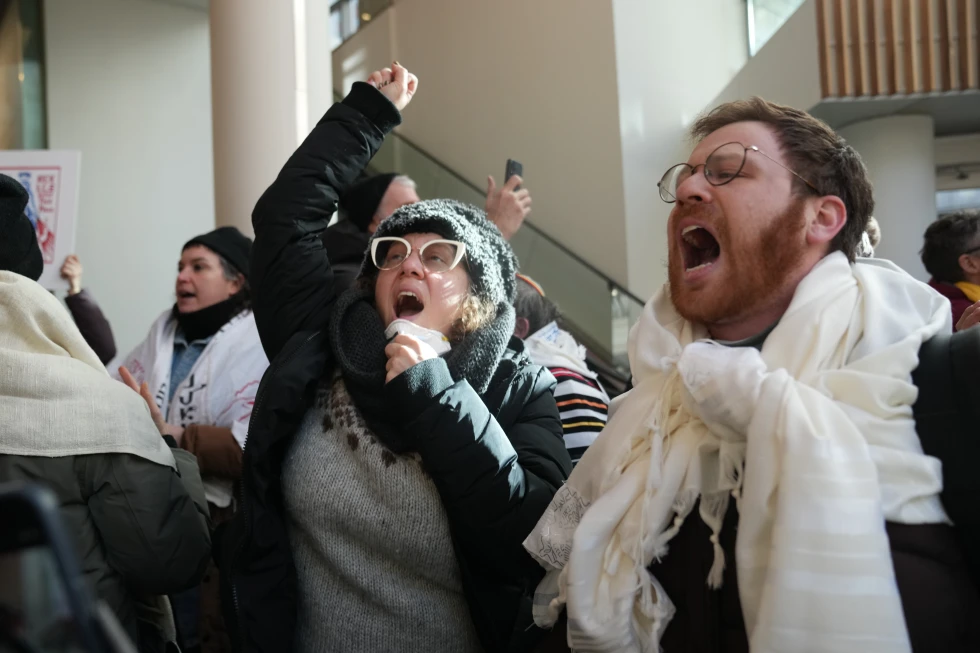
American religious history is loaded with protest movements and civil disobedience. However, direct political protests within places of worship remain exceptional.
The recent case involving anti-ICE protesters at Cities Church in St. Paul, Minnesota, exemplifies this rarity as activists disrupted a Sunday service attended by many seeking spiritual solace.
Three protesters were arrested last Thursday on federal charges after they interrupted the service, where one of the pastors works for U.S. Immigration and Customs Enforcement (ICE). This unusual act of protest sparked discussions about civil rights and religious freedom.
According to Charles C. Haynes, a senior fellow for religious liberty at the Freedom Forum, disrupting a worship service is illegal, but civil disobedience often aims to raise awareness for pressing social issues.
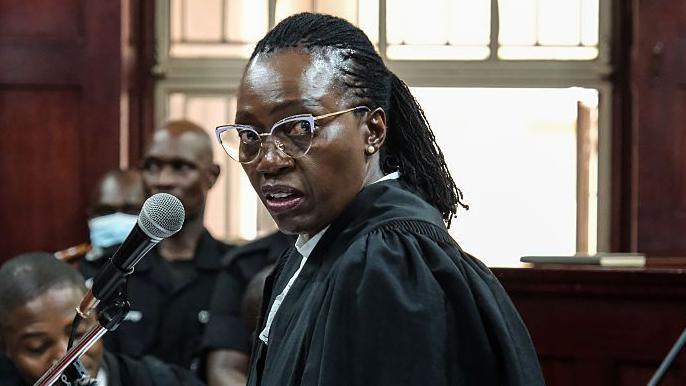
Civil rights attorney Nekima Levy Armstrong, who identifies as a Christian, shared her sentiment on social media before her arrest, declaring, it’s time for judgment to begin in the House of God. It emphasizes a deeper moral obligation activists feel towards their causes.
Insert shocks and provocative tactics have a historical precedent in places of worship, as shown by similar protests in the past. From the civil rights movement’s kneel-ins to LGBTQ+ advocacy within churches, these acts demonstrate a continued conflict of interests between sacred spaces and social justice initiatives.
The Cities Church protest drew mixed reactions; while the Minnesota Council of Churches remains silent on the arrests, other clergy expressed unease regarding the appropriateness of protests in places of worship.
Bishop Mariann Budde, an Episcopal leader, acknowledged the need for safety in houses of worship for everyone involved. Meanwhile, legal experts remind us that laws may exist to protect both worshippers from disruption and the right to protest.
As the legal ramifications unfold, protesters face severe penalties under a law designed to protect constitutional rights, indicating the serious consequences of mixing activism with religious gatherings.