In brief
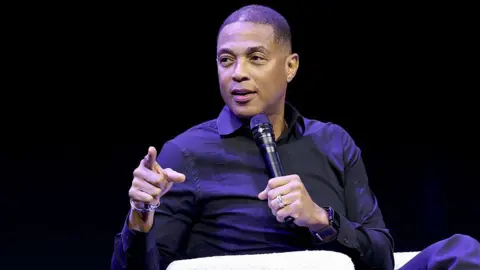
Don Lemon, a former CNN anchor, has been charged with violating the Freedom of Access to Clinic Entrances and Places of Religious Worship (FACE) Act during a protest at a Minnesota church. Arrested by federal agents, Lemon emphasized his role as a journalist and asserted he would not be silenced. The incident has sparked debates about press freedom and the boundaries of reporting, especially in politically sensitive situations.
Former CNN host Don Lemon has appeared before a judge after being arrested for entering a Minnesota church and filming anti-immigration enforcement protesters as they disrupted a service.
After appearing in court, Lemon was released from custody. He told media outside that he was arrested for covering the news, adding: I will not be silenced. The Department of Homeland Security (DHS) said he was charged with conspiracy to deprive rights and violation of the FACE Act, by allegedly interfering in someone's First Amendment rights by force.
Lemon went into the Cities Church in St Paul on 18 January with protesters who said one of the pastors was an immigration enforcement official.
As an independent journalist, Lemon expressed his intent to protect press freedoms, stating, I have spent my entire career covering the news. I will not stop now. He also highlighted the importance of a free press in holding those in power accountable.
Charges against Lemon suggest a broader crackdown on journalistic activities in politically sensitive contexts. His lawyer, Abbe Lowell, vowed to fight the charges vigorously, calling the arrest an unprecedented attack on the First Amendment. This incident follows recent tensions regarding press freedom under the current administration and raises critical questions about the rights of journalists in the U.S.