MINNEAPOLIS (AP) — A powerful soundscape in Minneapolis has emerged: the shrieks of whistles and honking horns from locals vigilantly following immigration agents across the city.
This is the active response to the Trump administration's aggressive Operation Metro Surge.
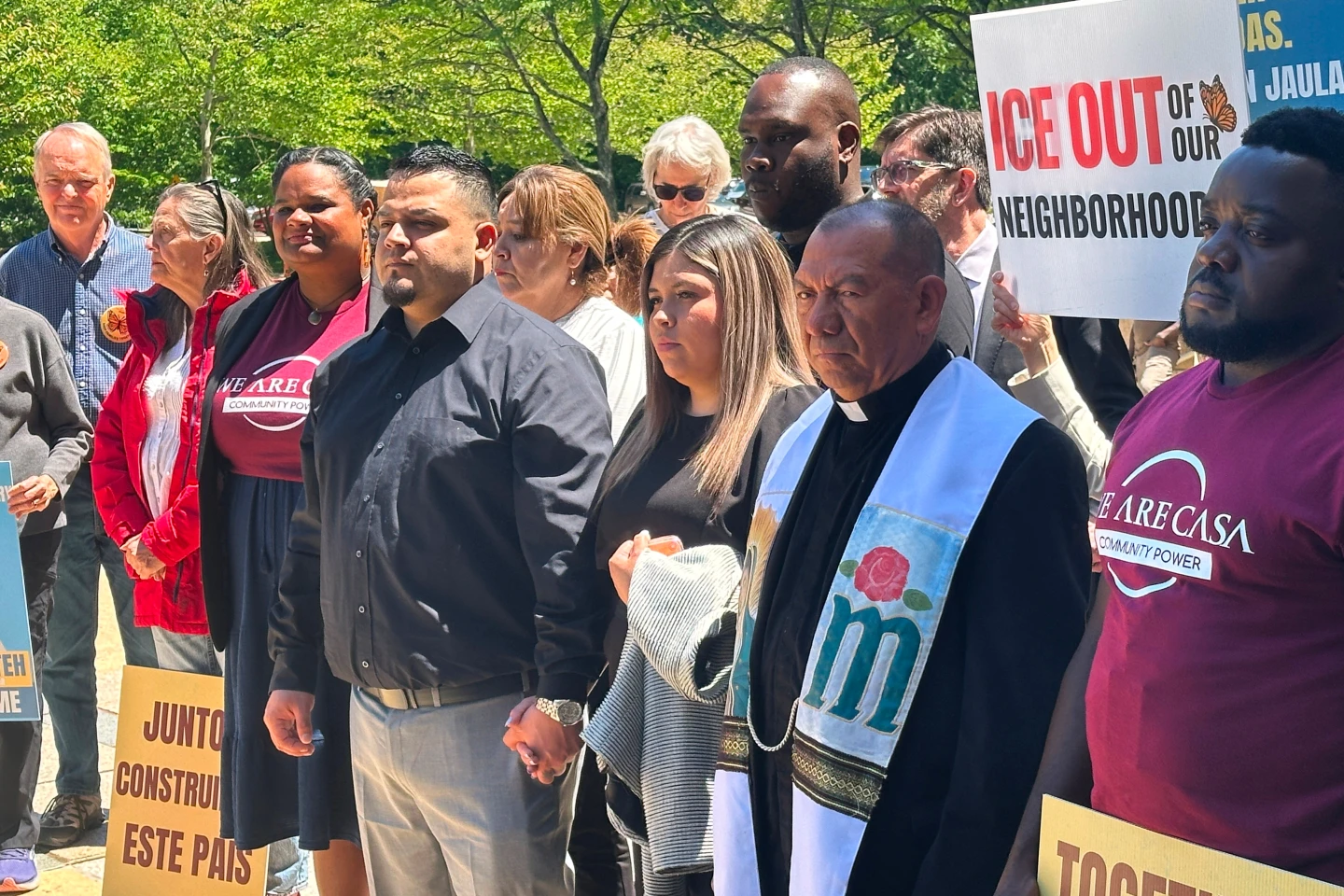
The courageous citizens include teachers, scientists, stay-at-home parents, small business owners, and food service workers. Their expansive, often anonymous networks lack formal structure but are driven by a singular goal: to protect immigrants, alert communities to approaching agents, and document immigration enforcement actions.
Despite a recent shift in the White House's tone after the tragic killing of Alex Pretti, the community's vigilance remains unwavering.
Community activist Andrew Fahlstrom stated, “Everyone slept a little better knowing Gregory Bovino was no longer in Minneapolis, but the threat to immigrants remains.”
The Surge Unleashed
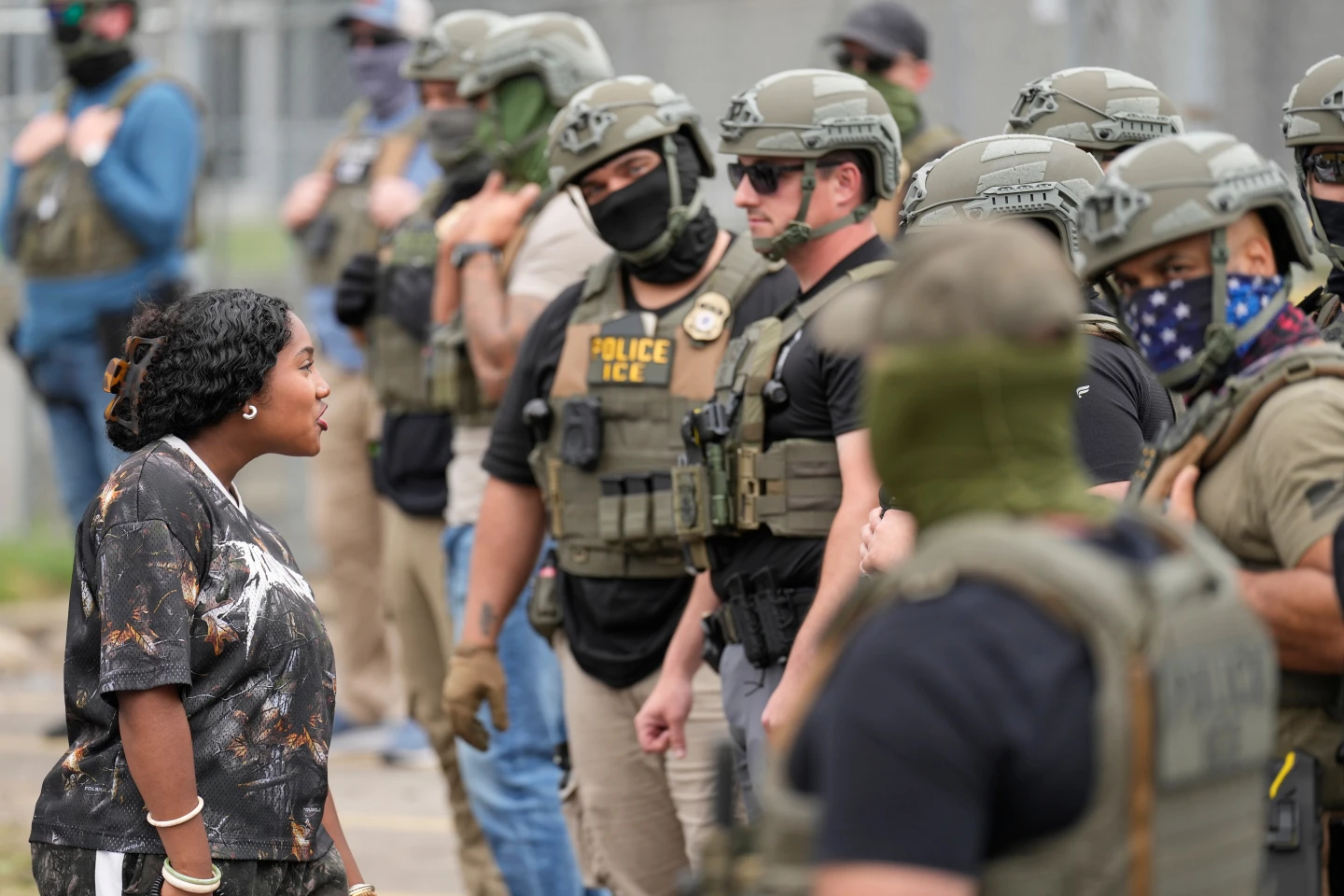
The crackdown on immigration began in December and escalated in January when a top ICE official announced the largest operation in history, resulting in over 3,400 arrests. Agents, often masked and heavily armed, moved through neighborhoods in unmarked SUVs, creating an atmosphere of fear.
ICE officials insist they target criminals but are reported to demand citizenship papers from immigrants, often stopping them indiscriminately, including local police officers and city workers. This aggressive enforcement has led to unlawful arrests, including incidents where agents entered homes without proper warrants.
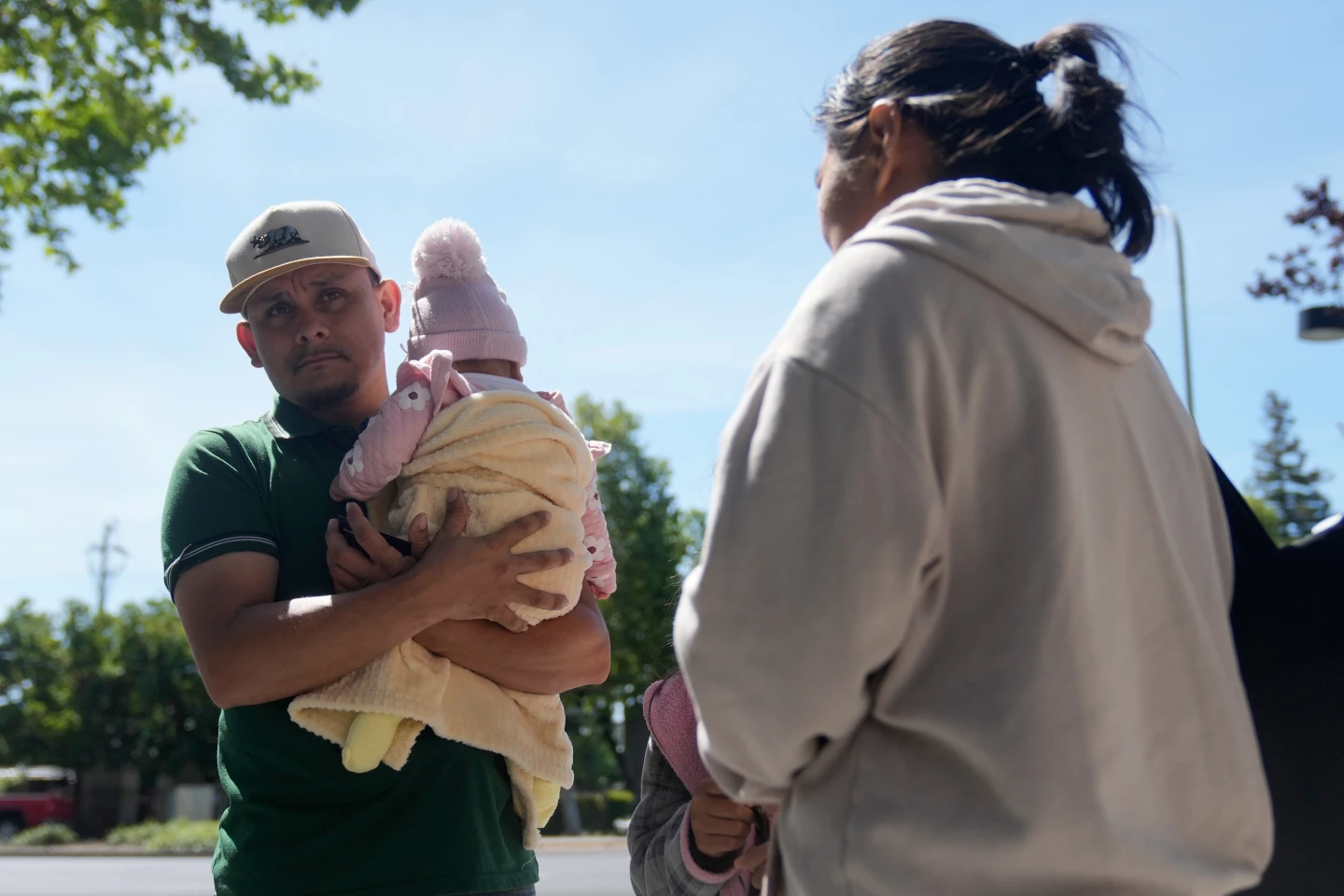
The repercussions are palpable: immigrant families avoid seeking medical care, and businesses close or limit service to regular customers to protect themselves from potential ICE raids.
Vigilant Response
In response to these developments, activist groups have mobilized quickly, with volunteers providing food and transportation to immigrants hesitant to leave their homes. They’ve established dense networks of rapid response teams that track immigration agents using encrypted communication.
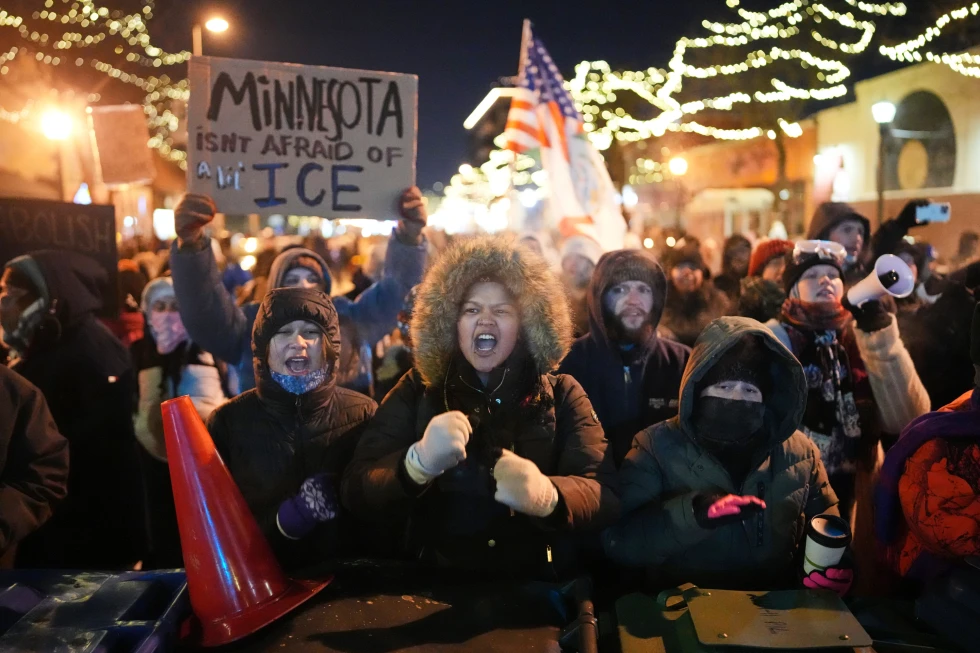
Protests have also sprung up, with organized caravans closely following ICE vehicles, raising alarms through honking and whistles when arrests occur. This level of community engagement is critical, especially as some confrontations with agents have led to violence.
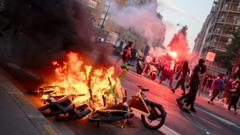
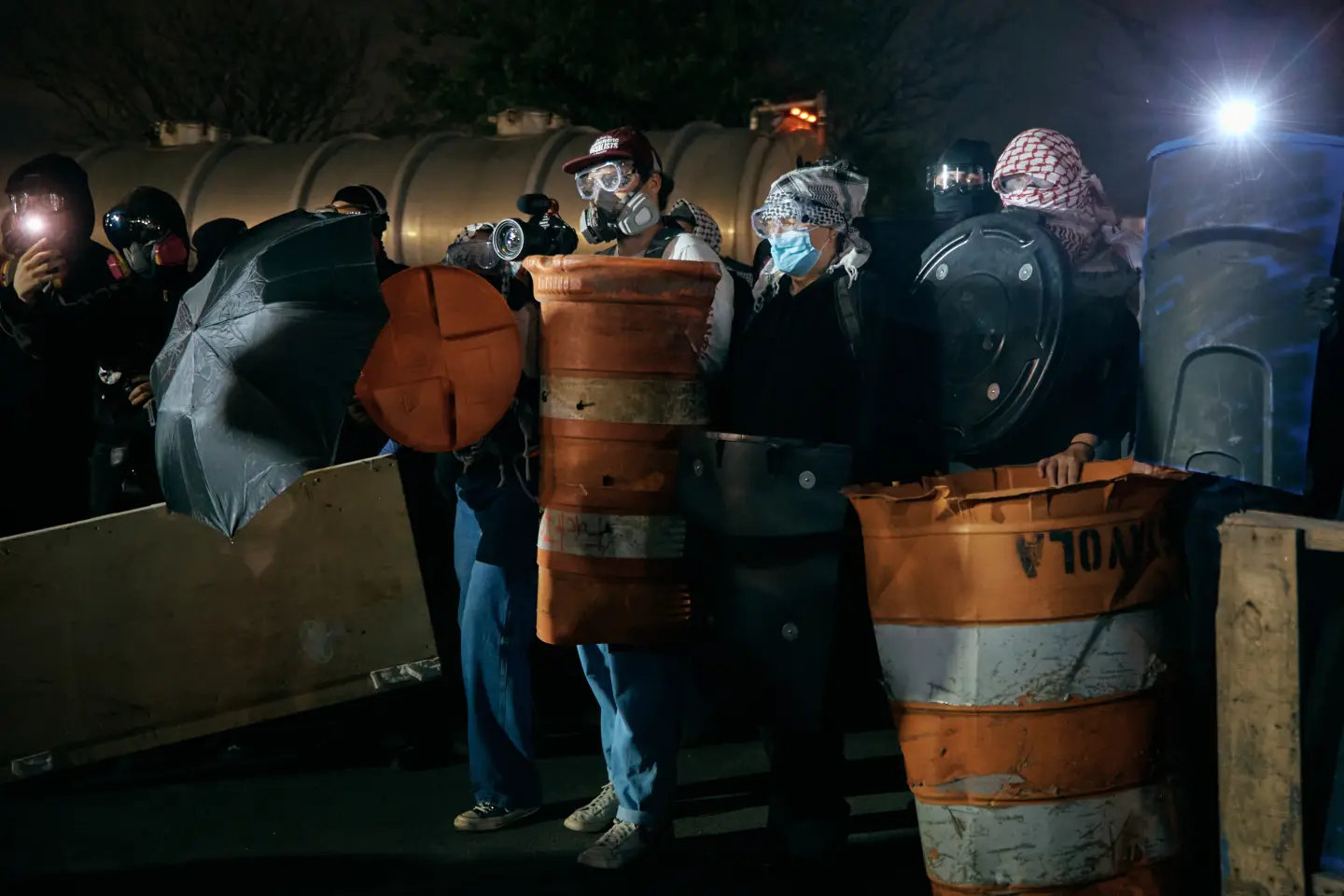
During recent protests, activists clashed with ICE agents, resulting in the use of tear gas and pepper spray. Local council member Jason Chavez emphasized the importance of neighbors alerting each other about ICE presence, reframing the protests as community spirit rather than aggression.
A Grassroots Movement
A key figure in this grassroots movement, a woman known only as “Sunshine” to protect her identity, has driven through immigrant neighborhoods, scouting for signs of ICE vehicles and alerting networks of their movements.
Despite the fear and anxiety surrounding these events, she recognizes the community’s strength, noting an increase in volunteer efforts after heightened tensions following the January 7 incident involving an ICE agent.
This coalition reflects a broader resistance against immigration enforcement, emphasizing solidarity while navigating the complexities of safety and confrontation. Critics within and outside activist groups caution against overly aggressive tactics that may escalate tensions unnecessarily.
The situation in Minneapolis embodies a critical moment in the ongoing debate over immigration policy and community responses, as local networks stand firm against federal overreach.