In brief
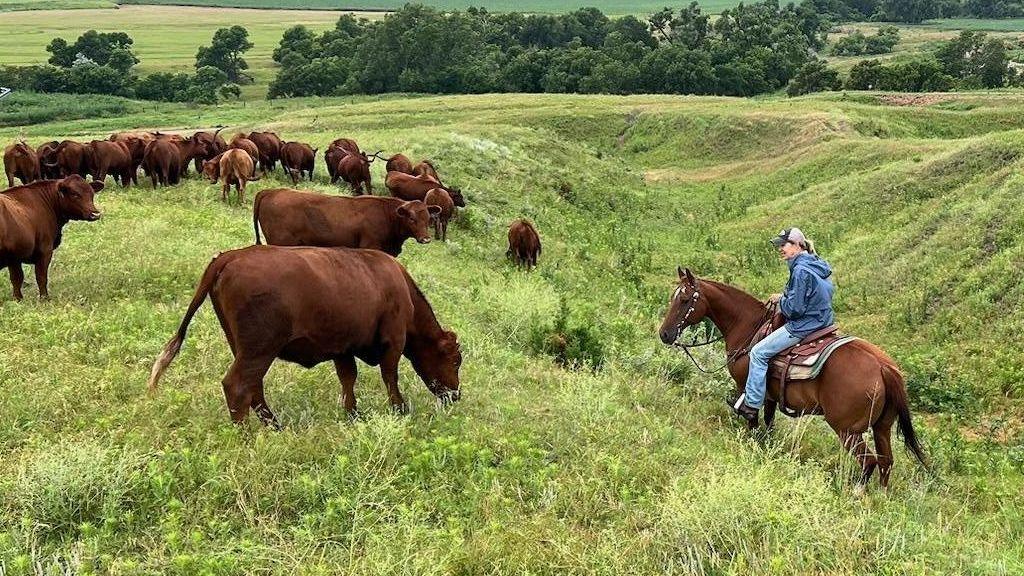
Nebraska rancher Yvette Mannon endured a wildfire that cost $300,000 in fencing and faced a 40% jump in diesel as the Iran War surged the price of fuel. Trump‑era tariffs pushed steel prices to record highs, while a sudden 300,000‑ton duty‑free beef import plan collapsed the domestic cattle market. Despite the economic strain, many ranchers still defend Trump, citing his ‘Buy American’ slogans and promise to ‘cut government waste’. The economic pressure, however, has caused a quiet shift in political attitudes among Nebraska’s conservative farmers and highlighted a complex relationship between policy, profit and loyalty. As the June mid‑terms approach, the fate of the agricultural sector may influence voter realignment across the state.
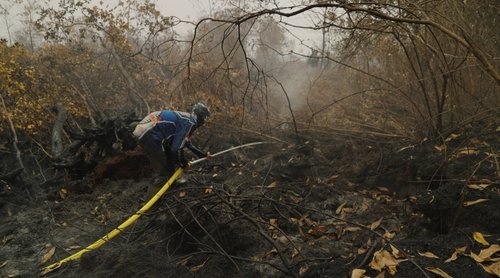
Nebraska’s agricultural community has been strained from a wildfire in April that razed 1,600 grazing acres and 13 miles of fence, forcing rancher Yvette Mannon to shell out $300,000 for new steel fencing—prices maxed by Trump‑era tariffs on imported steel.
The blaze was compounded by a spike in diesel prices past 40% from the previous year, a consequence of proxy conflict in Iran that drove fuel costs to record highs for farming equipment and livestock transport.
In August, the Trump administration shocked the market by announcing the import of 300,000 metric tons of duty‑free beef, threatening the very high domestic cattle prices that had supported ranchers. The cattle market fell sharply, with some producers losing hundreds of dollars per head.
“It felt like a betrayal,” Mannon said, a veteran Trump voter who had long relied on the president’s ‘Buy American’ promise. Yet others—such as feedlot owner Jake Wolfinger—call for keeping the state’s agriculture free from political interference, saying, “People need to stay the hell out of farmers’ business.”
The strain has rattled the political loyalty of Nebraska’s rural voters, with an independent candidate leading in the Senate race as more farmers start to question their long‑held support for Trump. Experts note that the industry’s 10‑12‑year cycle, coupled with policy shocks, creates an ambiguous future: some farmers continue to advocate the president’s fiscally conservative stance, while others’ economic hardships push them towards alternative candidates.
Despite the challenges, stories like Mannon’s and Wolfinger’s illustrate the resilience of Nebraska’s agricultural sector, which remains crucial to the state’s economy and, as Mannon emphasizes, is driven by an enduring optimism that will sustain them through unpredictable market shifts.