In the deserted dining room of Kibbutz Nir Oz, birds have begun to claim the empty spaces where residents once gathered for meals and celebrations, replacing human voices with their soft coos.
Dalit Ram Aharon and her husband Achi recalled how the kibbutz was a close‑knit community of around 400 people, where families shared meals, organised holiday celebrations, and supported one another in everyday life.
Days after the attack, the glass doors of homes show a painful list of bullet holes and missing residents, a stark reminder of the tragedy that took place three years ago.
Postboxes on each household bear stickers—red for those killed, black for those taken hostage—indicating that nearly a quarter of the community lost a family member. Families remember children and babies who died, their lives cut abruptly by war.
The region borders Gaza, just a kilometre away, and Ariel’s Valley became one of the worst‑hit areas when the assault unfolded on 7 October 2023.
Standing before the charred house of the Siman Tov family, a wind chime sways by the door. There, a photograph remembers Tamar, Yonatan, and their three children, twin girls Shahar and Arbel, and two‑year‑old Omer, all killed in a single, brutal attack.
The family’s house had been a bomb shelter designed to protect against rockets, not gunfire, and the attackers penetrated through the door, forcing a tragic end.
Around the kibbutz, seventy‑six residents were taken hostage, some of whom died, and the last living hostages were returned to Israel by 13 October 2025.
Survivors like Dalit, who escaped into a personal shelter for almost twelve hours, now share the painful memories and the heavy responsibility of rebuilding hearts and homes.
Those who will return to Nir Oz still face a future where almost a third of the community was killed or kidnapped, and a large portion of homes was destroyed; the entire community is in the process of being rebuilt by the Reconstruction and Rehabilitation Project led by Emi Palmor.
Residents debate whether to leave damaged houses as living memorials, arguing that such evidence of destruction must persist so future generations understand the cost of complacency.
Emi explains that the kibbutz’s design must strike a balance: the reconstructed community should feel like home, yet protect returning residents from additional trauma.
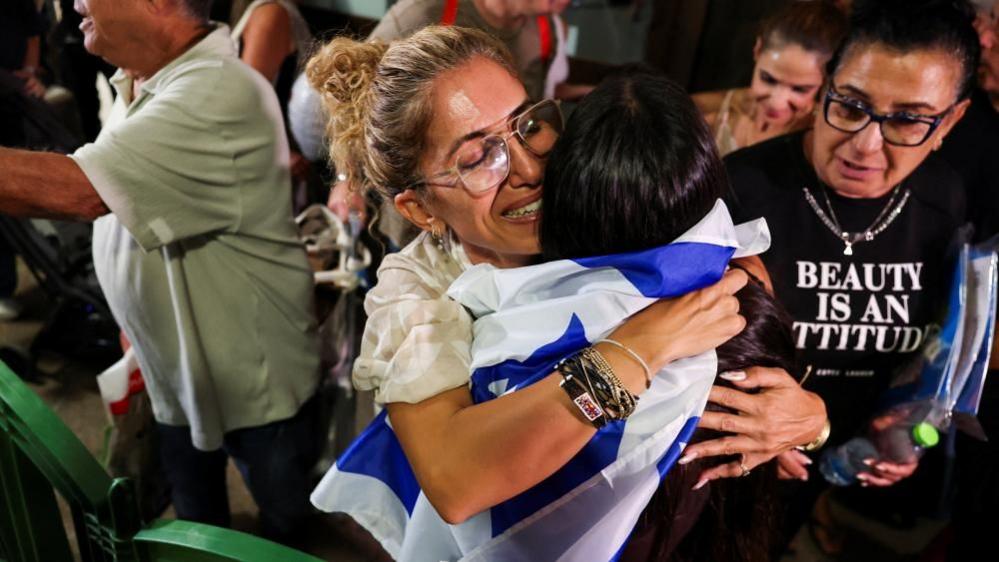
During this rebuilding, memories remain strong: the last hostages were freed a year ago, yet the anniversary of the attacks is still painful, with survivors recounting the day as an unimaginable horror.
Some residents feel a sense of relief that no hostages remain, but move towards personal healing and the re‑creation of their community was a long‑term process that requires time, resources, and community trust.