WASHINGTON (AP) — The partial government shutdown that started this weekend is significantly different from the extended closure witnessed last fall.
Current indicators suggest that this shutdown may not endure for long. The House is set to reconvene on Monday, where lawmakers aim to quickly pass necessary funding legislation to terminate the shutdown. As it stands, Congress has already enacted half of this year's funding bills, ensuring that critical federal agencies and services remain operational through September. For instance, nutrition assistance programs are expected to continue unaffected.
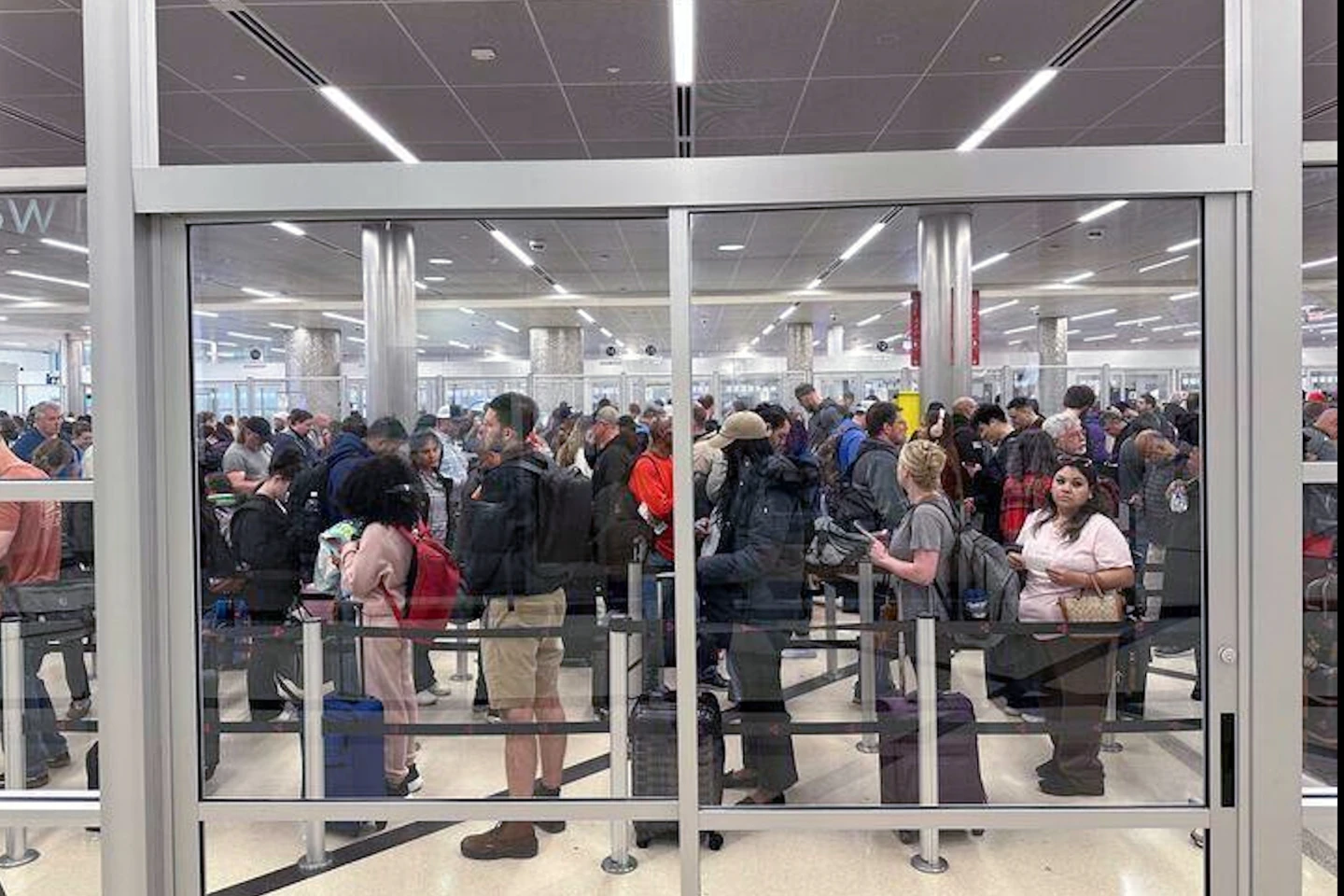
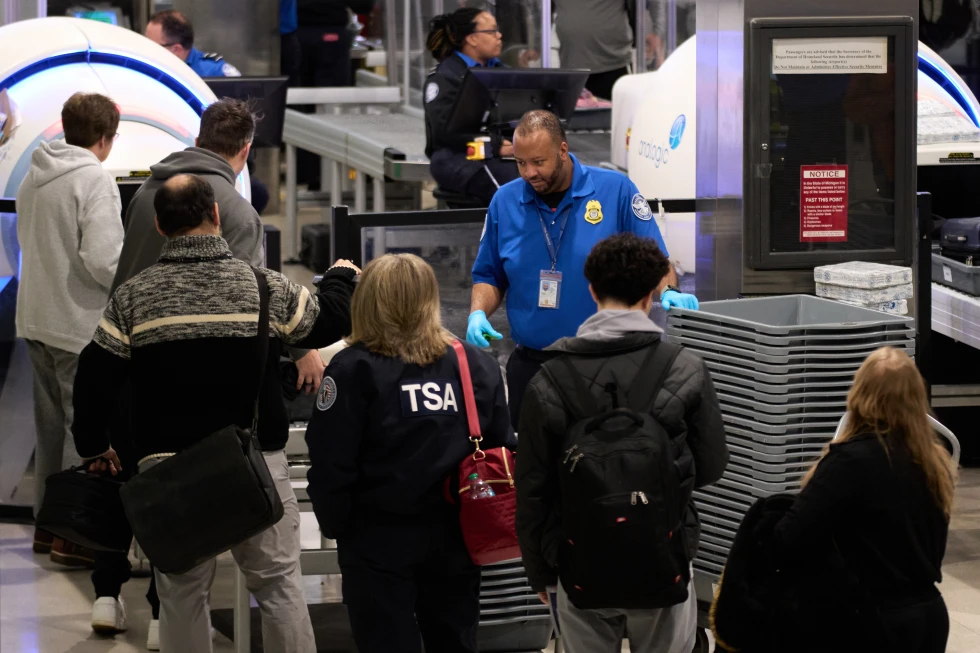
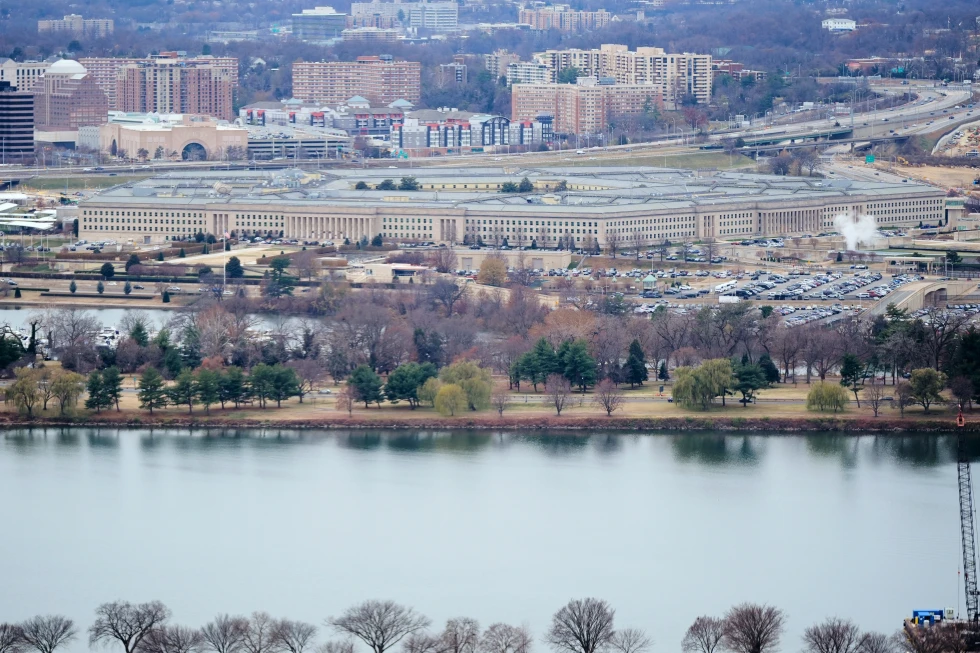
Nevertheless, funding for the Pentagon and certain agencies, including the departments of Homeland Security and Transportation, is temporarily suspended. While essential functions will persist, staff members may experience unpaid work if negotiations stall. Some could potentially face furloughs.
What Triggered Another Shutdown?
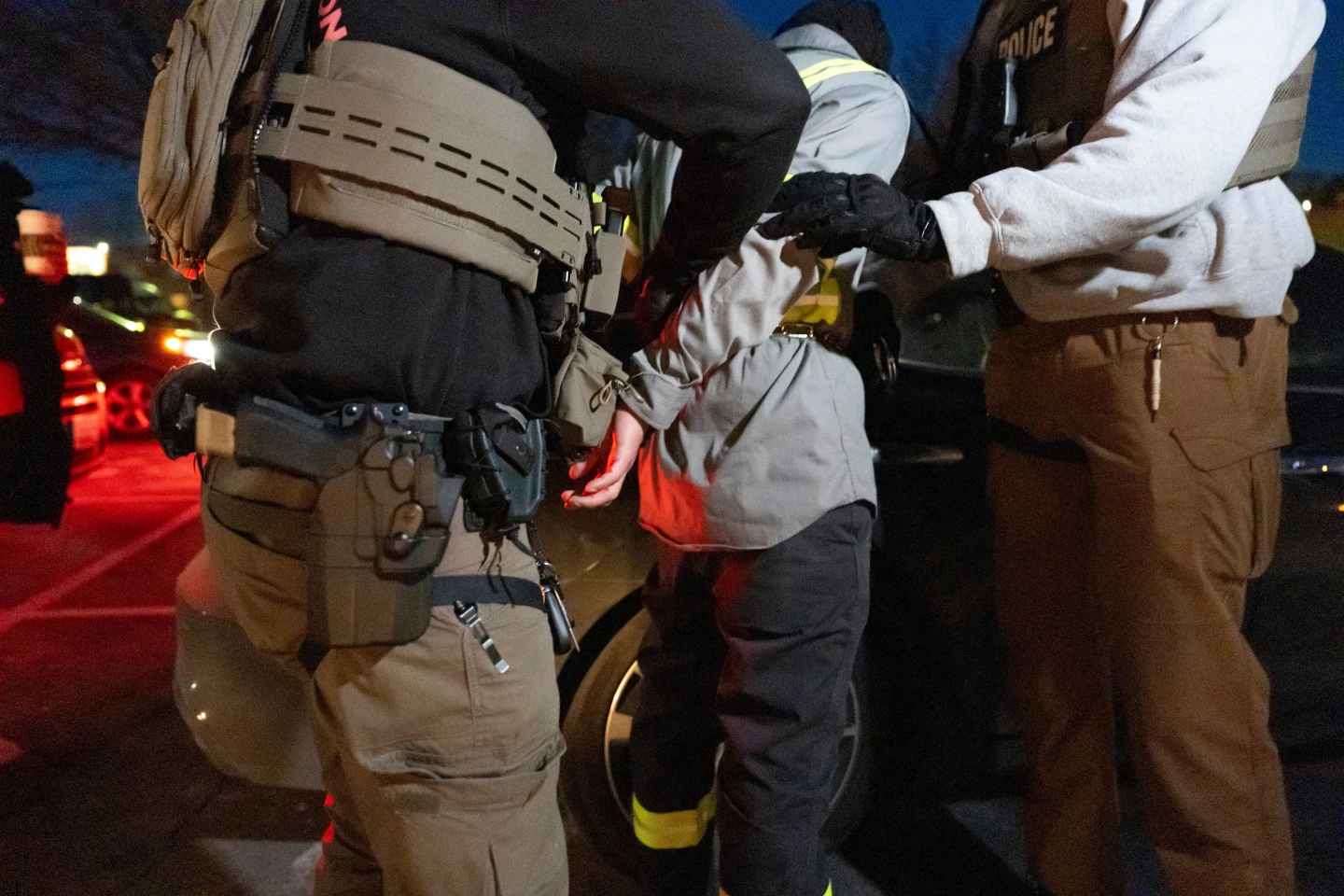
The federal funding process had been progressing smoothly, with bipartisan support among key lawmakers. However, tensions escalated following the recent deaths of U.S. citizens Alex Pretti and Renée Good, shot by federal agents in Minneapolis, altered the dynamics of negotiations.
In response to these incidents, Democrats reacted with outrage and demanded that one of the six remaining funding bills, designated for DHS and its associated agencies, be amended to mandate specific reforms in immigration enforcement. These reforms include a code of conduct for federal agents and the requirement for identification display.
Seeking to bypass a prolonged shutdown, the White House, led by President Donald Trump, forged a compromise with Democratic lawmakers to temporarily fund DHS at current levels for two weeks while discussions continue.
The Senate passed the comprehensive funding package on Friday; however, it needs House approval. The Chamber's absence until Monday guarantees that funding will lapse for segments of the government, even if only momentarily.
Previous Shutdown Patterns
This isn’t the first time the government has experienced brief shutdowns, often with minimal visibility on public service access. Past instances during Trump’s presidency, especially during January 2018 and February 2018, resulted in short-lived shutdowns where many federal employees continued to work without pay, and critical programs remained functional.
Funding Impacts
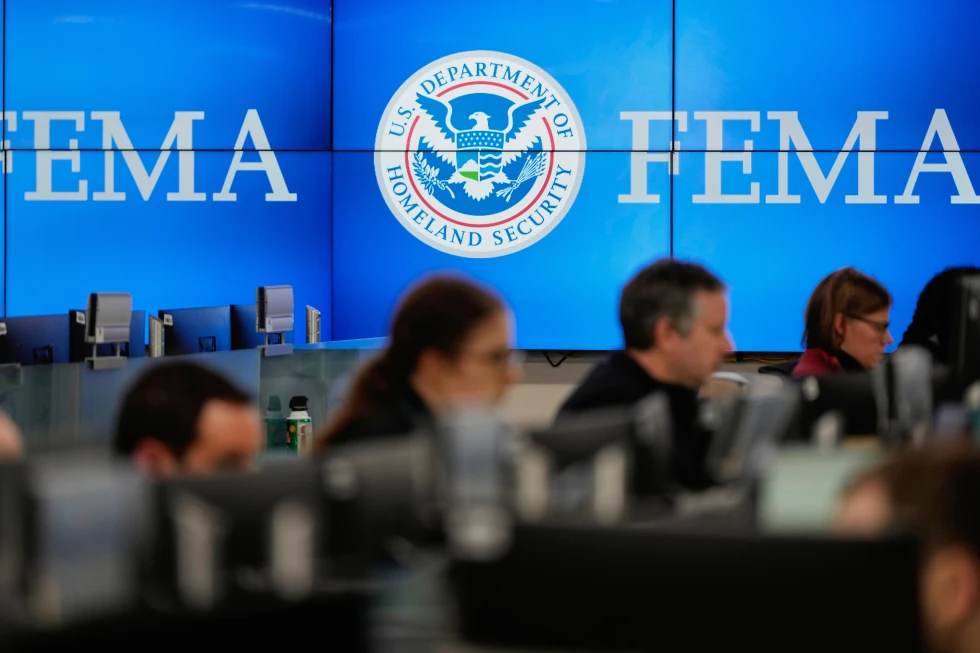
The funding lapse affects the Pentagon and agencies such as the Transportation Department and DHS, which includes FEMA. Experts believe that FEMA retains sufficient financial resources to address the ongoing massive winter storm affecting the nation.
However, should the shutdown extend, it may strain FEMA’s disaster response funds. Other operations, like processing flood insurance claims, may also come to a halt reminiscent of last year's major shutdown.
Federal travel services, particularly those governed under the Department of Transportation, face uncertainties as air traffic controllers may continue to work but will do so without pay until a funding solution is established.
Impact on Nutrition Assistance Programs
Unlike past shutdowns, nutrition assistance programs such as SNAP will continue without disruption, providing vital support to approximately 42 million low-income individuals across the country.
In conclusion, ongoing negotiations are anticipated to yield a resolution that alleviates the current shutdown, with measures already in place ensuring many critical services remain funded.