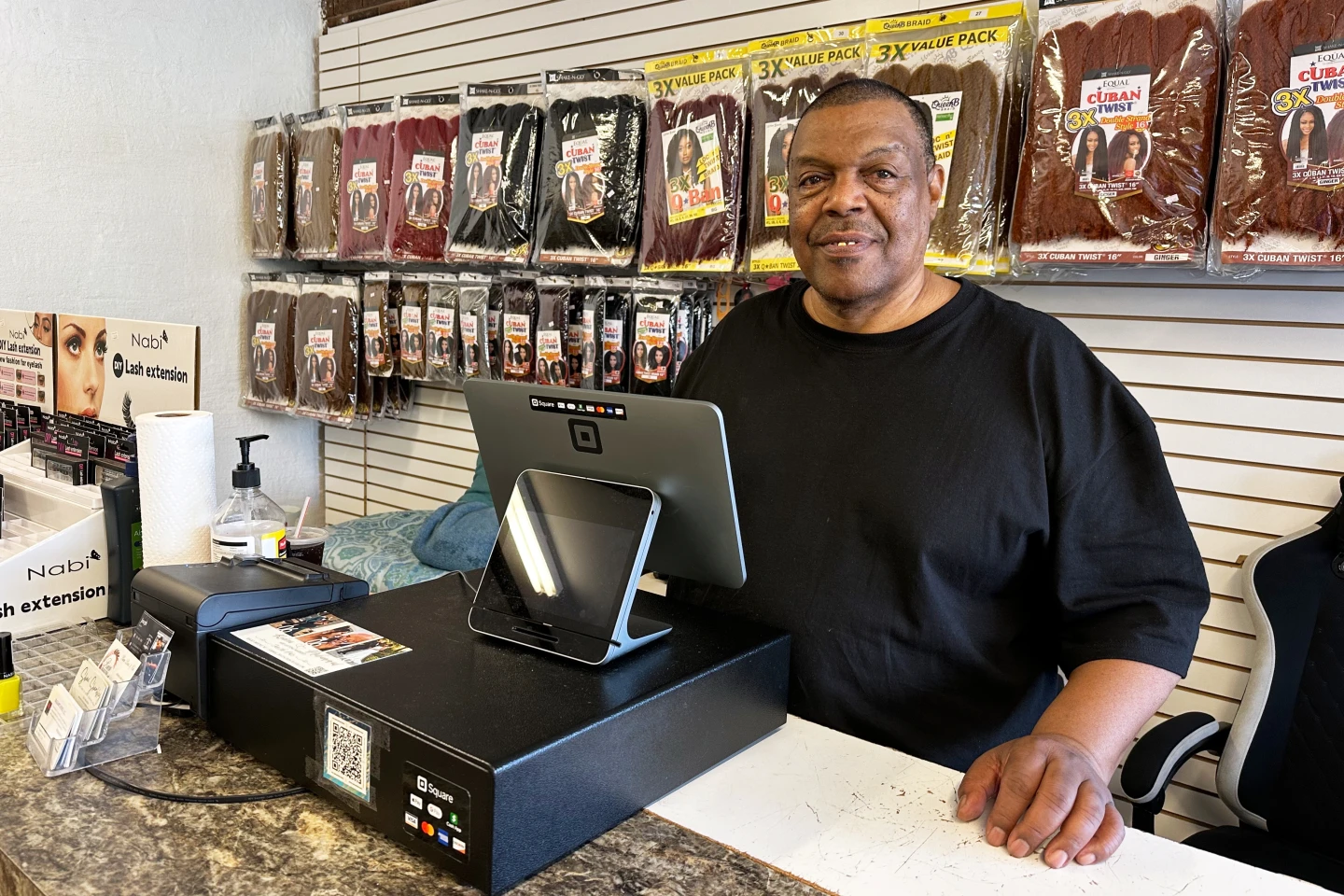
NASHVILLE, N.C. — Ricky Brinkley, a 65-year-old lifelong resident of rural North Carolina, expresses a common sentiment among local voters: a desire for political engagement. People don’t come out like they should and ask you how you feel about things, he said from his daughter’s beauty supply store as he reflected on the low turnout in elections.
Brinkley is one of many rural Black residents that Democrats struggle to connect with, even as they traditionally have strong support among Black voters overall. This gap presents a significant hurdle for the party as they aim to shift political power in North Carolina.
Success in mobilizing this voter base could pave the way for former Governor Roy Cooper to win a crucial U.S. Senate seat and influence future presidential elections. Yet, the challenge is deep-rooted, with longstanding patterns of rural and urban voter engagement diverging.
State Democratic Party chair Anderson Clayton, who took office promising to bridge this divide, acknowledges the necessity of recognizing that rural doesn’t equate to white. When you talk about reaching out to rural voters, you are talking about rural Black voters, she stated.
The Rev. James Gailliard, a prominent community leader and former state lawmaker, argues that true outreach needs to happen in Eastern North Carolina, emphasizing that Democrats must focus on local relationships. He calls for a grassroots approach that actively involves Black voters in smaller towns, many of whom feel neglected.
Although Cooper has held community sessions to engage rural leaders and voters, Gailliard is pushing for added effort and better investment from national Democratic campaigns. He recalls challenges he faced reaching out to the Biden campaign for support in his community during the last election cycle.
As the Democratic Party gears up for the upcoming election, they are looking to actively recruit candidates and develop a deeper strategy to engage voters in every legislative district. Recent data suggests that Black voter turnout dropped significantly in counties with higher Black populations, highlighting the urgent need for concerted outreach efforts.
Brinkley underscores the importance of personal touch in politics, stating, “You get to be a big wheel, and you can forget where you came from.” His willingness to vote hinges on feeling seen and asked for support.
The road ahead will require redefining strategies and fostering genuine connections with rural Black voters to ensure a revitalized Democratic presence in North Carolina.