No serving leader in the European Union has led their country for as long as Viktor Orbán. But after 16 years he faces his strongest challenge yet in 12 April elections, where most opinion polls suggest he is heading for defeat at the hands of former party insider, Péter Magyar.
Since 2010, Orbán has transformed Hungary into what the European Parliament has denounced as a hybrid regime of electoral autocracy. He appears uncertain how to describe his own invention. He has tried both illiberal democracy, and Christian liberty. His allies in the US Maga movement call it national conservatism.
Orbán has repeatedly clashed with European Union colleagues on the war in Ukraine, blocking vital funding for Kyiv, which he accuses of trying to force Hungary into war with Russia.
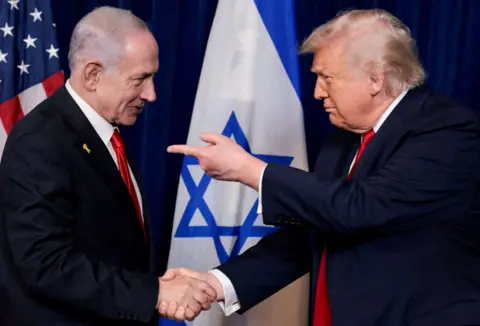
Yet he has powerful international allies. He is considered Vladimir Putin's strongest partner in the EU and has been endorsed by US President Donald Trump in his quest for a fifth consecutive term in office. While Trump has promised to lead US economic might to Hungary if he wins again, Vice-President JD Vance visited Budapest five days before the election, intervening in the campaign to appeal to voters to stand with Viktor Orbán, because he stands for you.
Within the EU, the Fidesz leader's closest allies come from the radical and hard right. His antagonism toward Brussels still pays off with many Hungarians, but Orbán has cut an increasingly lonely figure among EU leaders looking for European unity in response to the war in Ukraine.
Orbán's Foreign Minister, Péter Szijjártó, recently admitted to sharing details of EU meetings with his Russian counterpart Sergei Lavrov, but called those conversations everyday diplomacy.
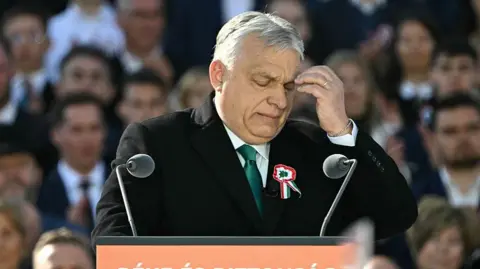
As he approaches this critical election, the personal charisma that once secured his success seems to be waning. Polls suggest many of his supporters have tired of him and the corruption allegations surrounding his party. He appeared rattled when he was booed during a recent campaign speech in Győr.
Now 62, Orbán first made his mark while still a law student in Budapest in the late 1980s when he boldly called for the end of communist rule in Hungary, leading the establishment of Fidesz. He rapidly shifted from a liberal stance to nationalist policies, culminating in his rise to power in 1998.
His leadership has been characterized by significant changes to Hungary's laws, leading to a centralization of power within his party. However, critiques argue that his governance has increasingly mirrored a shift away from democratic principles towards authoritarianism.
Orbán's story is one of significant political evolution— from a student activist to a leader backed by global powers, yet facing escalating domestic discontent as he grapples with his legacy ahead of the key elections.