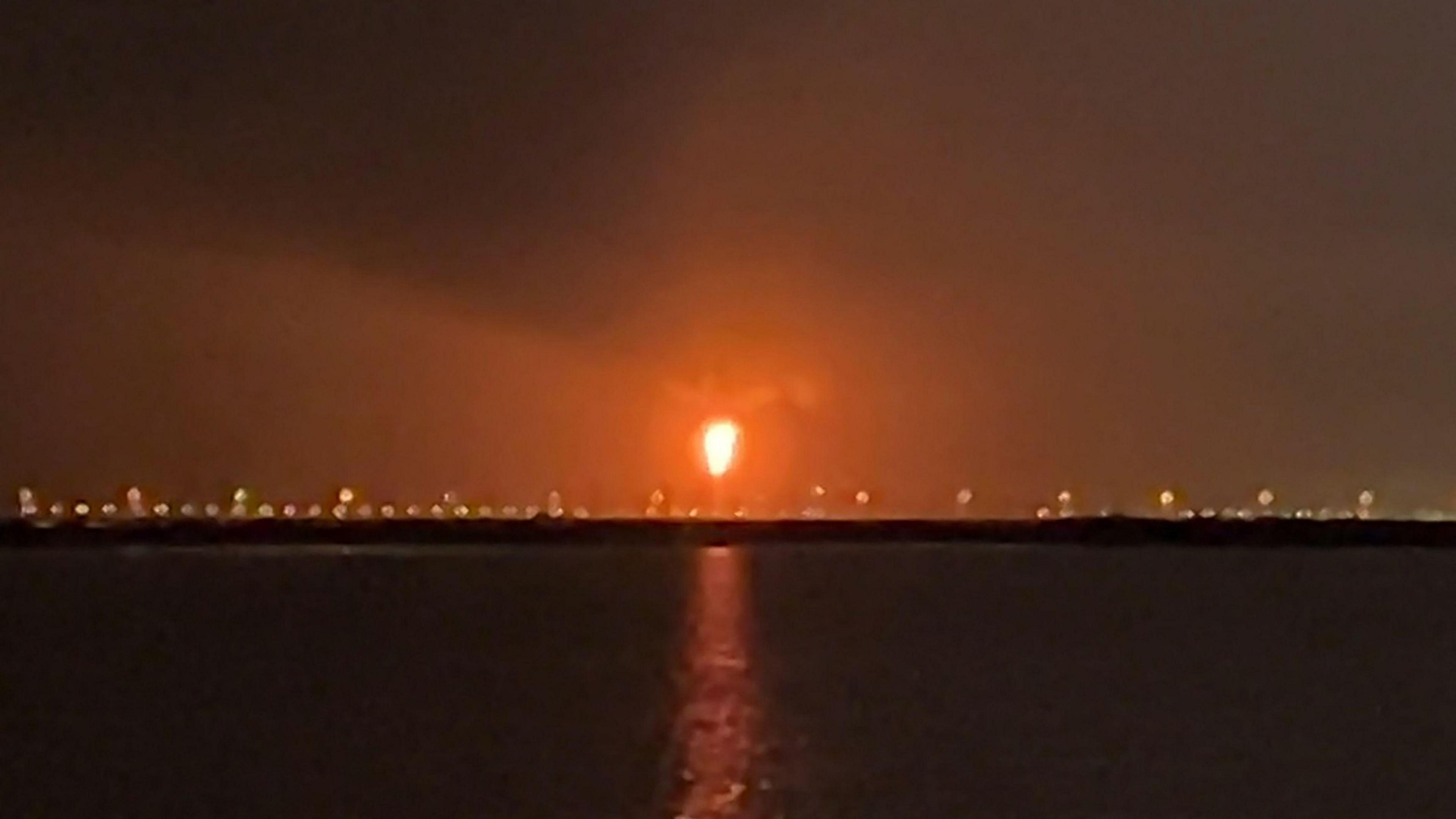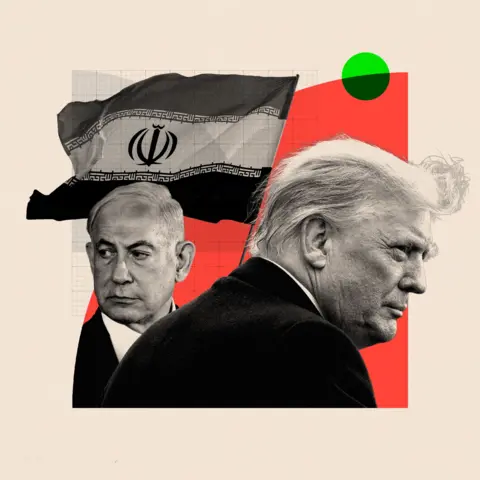
Efforts towards establishing a ceasefire in the Middle East come at a critical juncture, fraught with complications stemming from a lack of trust and opposing agendas amongst the involved parties. The recent conflict escalated after a series of significant airstrikes carried out by the US and Israel against Iranian targets, resulting in substantial devastation, particularly in Lebanon.
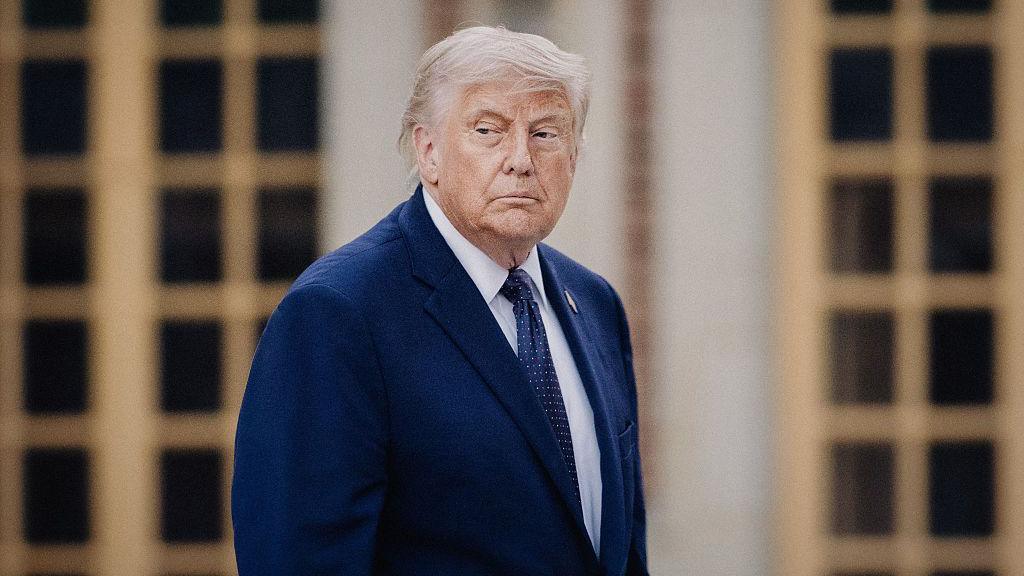
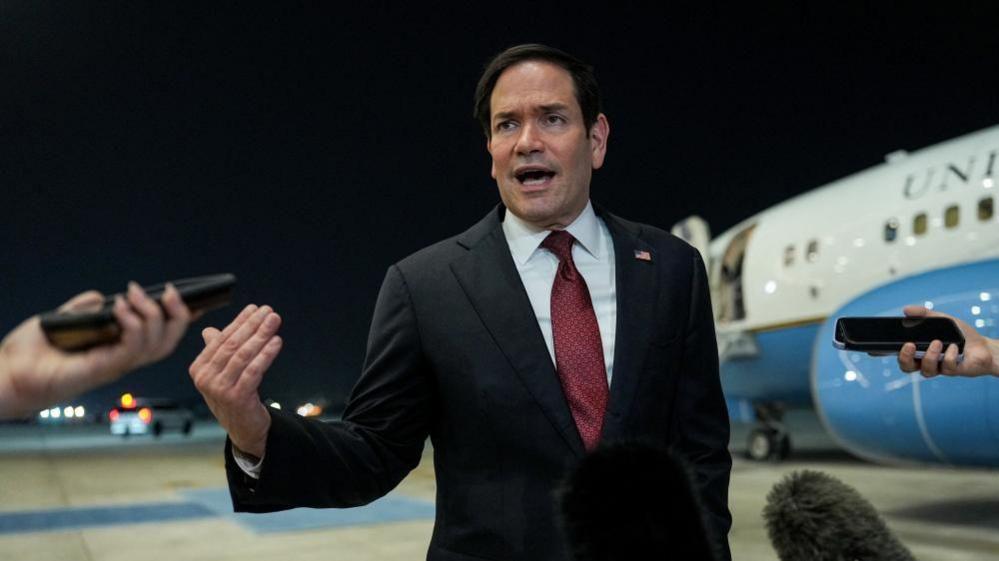
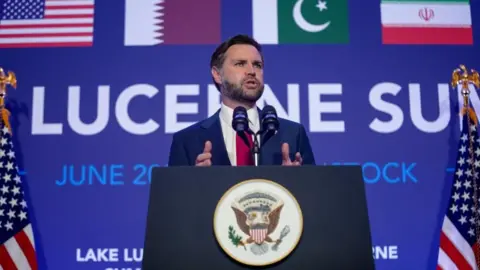
The United States, led by President Donald Trump, finds itself at a dual crossroads: the strategic necessity to pull back from an increasingly complex war and domestic pressures including upcoming elections and international summits. Trump's optimistic proclamations of victory are tempered by the reality of a prolonged conflict, further complicated by rising petrol prices and the repercussions of a war that has stalled economic progress.
Iran, having suffered significant damage from military actions, is in a position where it must regroup and could use ongoing negotiations to leverage its interests amidst the chaos. The country’s attempt to maintain missile capabilities amidst the conflict signifies its resilience, even as internal economic turmoil strains its regime.
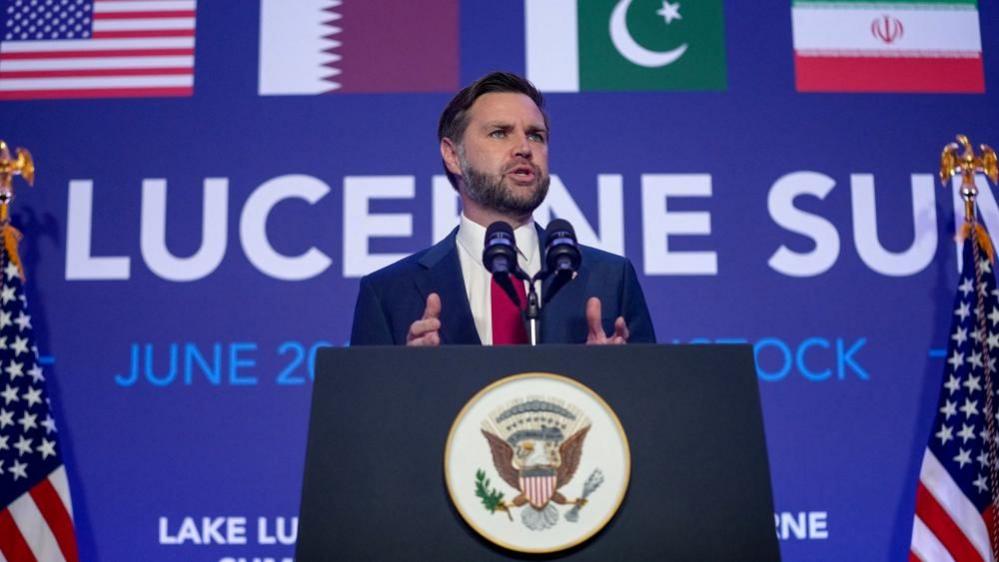
As intermediaries begin the intricate dance of negotiations, both sides lie at a significant distance from agreement. Trump’s alleged ceasefire strategy, leaked as a twelve-point proposal, contrasts with Iran’s demands that have been consistently dismissed by the US. Without mutual trust, achieving a stable ceasefire appears increasingly contingent upon dialogues that could ultimately define the power dynamics in the region.
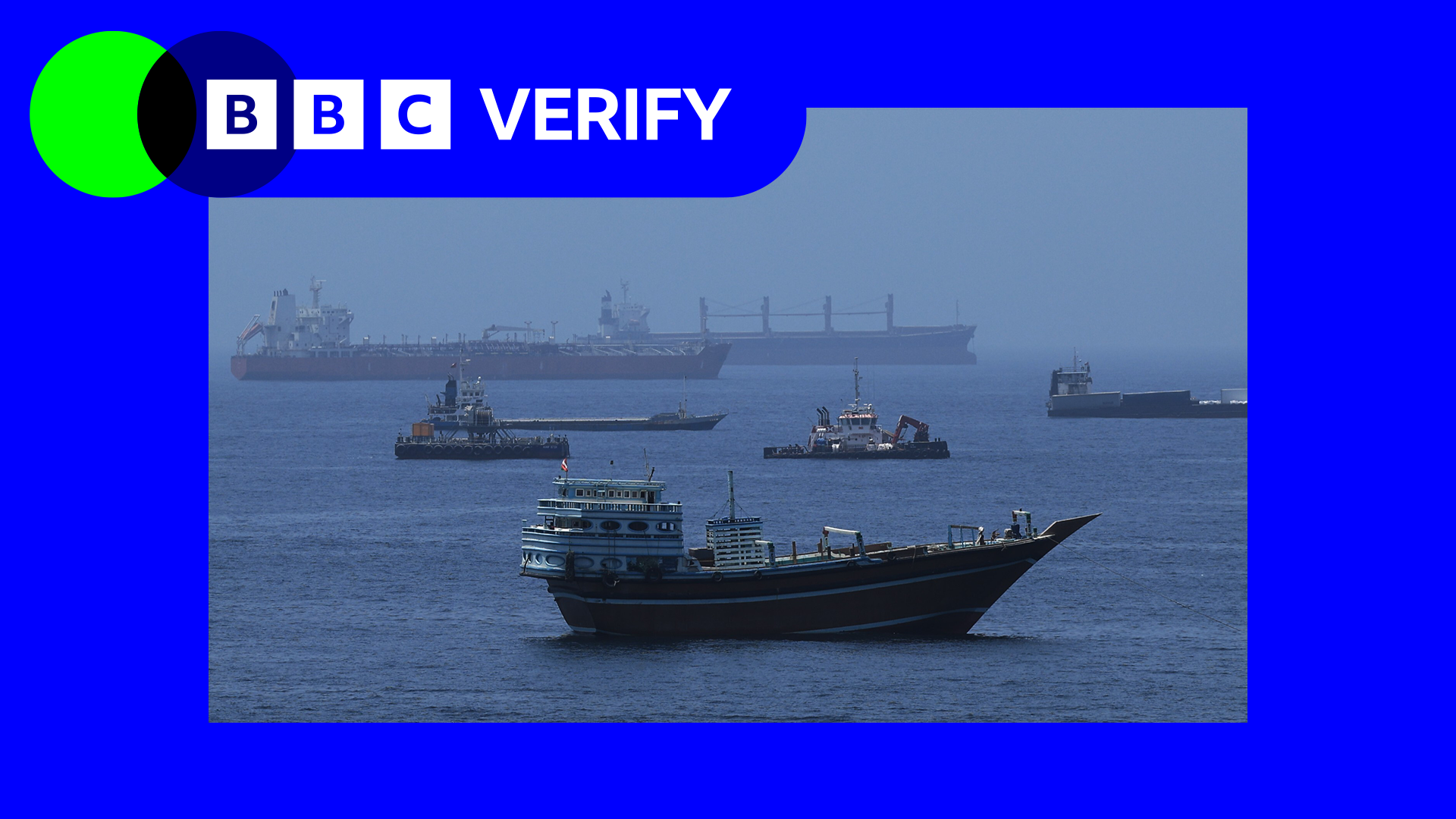
The Strait of Hormuz takes center stage in these negotiations, representing a vital economic artery for global oil shipments, and its control has significant implications for both Iranian and regional economic security. Iran's threats to block shipping have proved serious considerations for international shipping routes and energy prices.
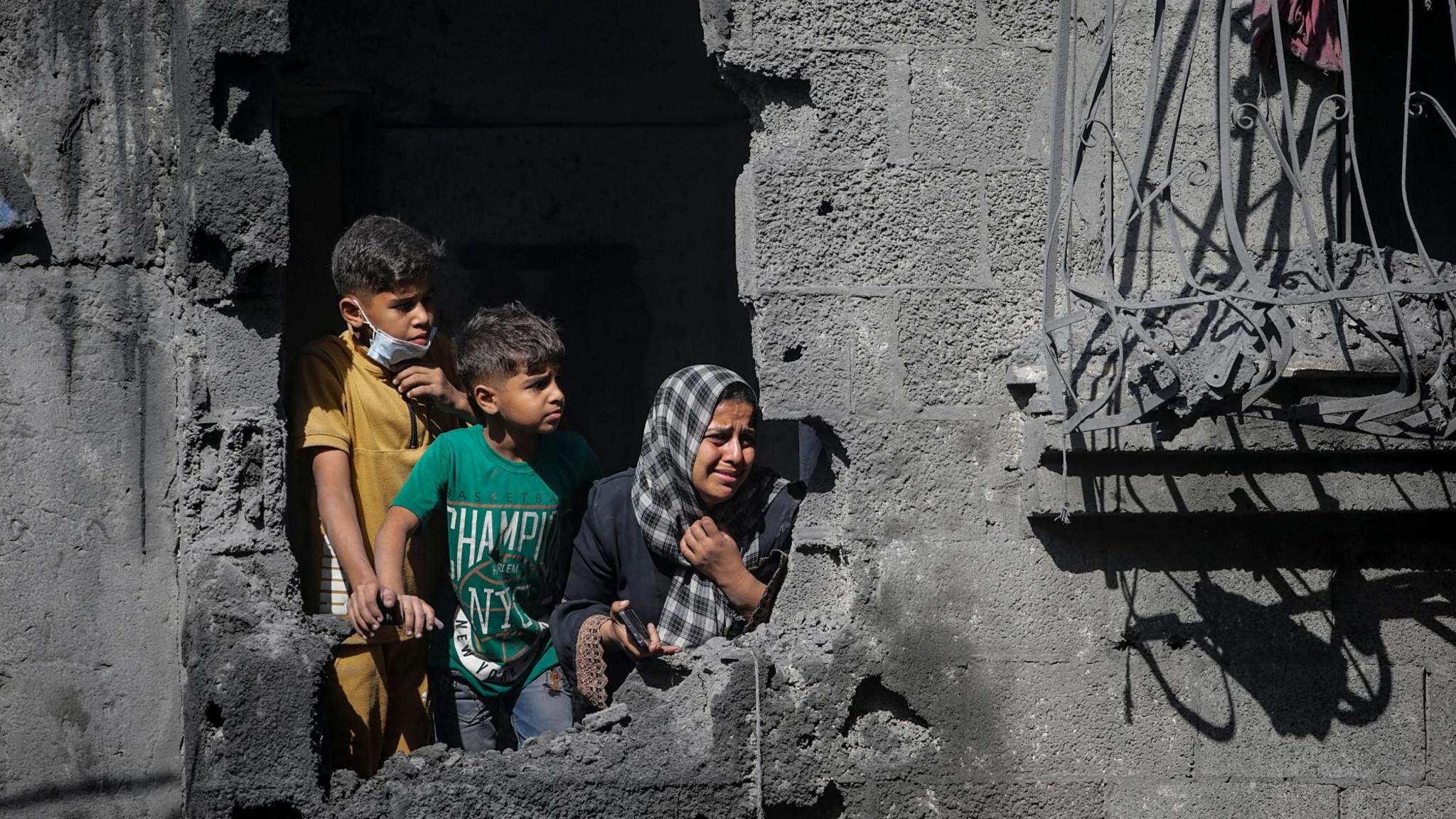
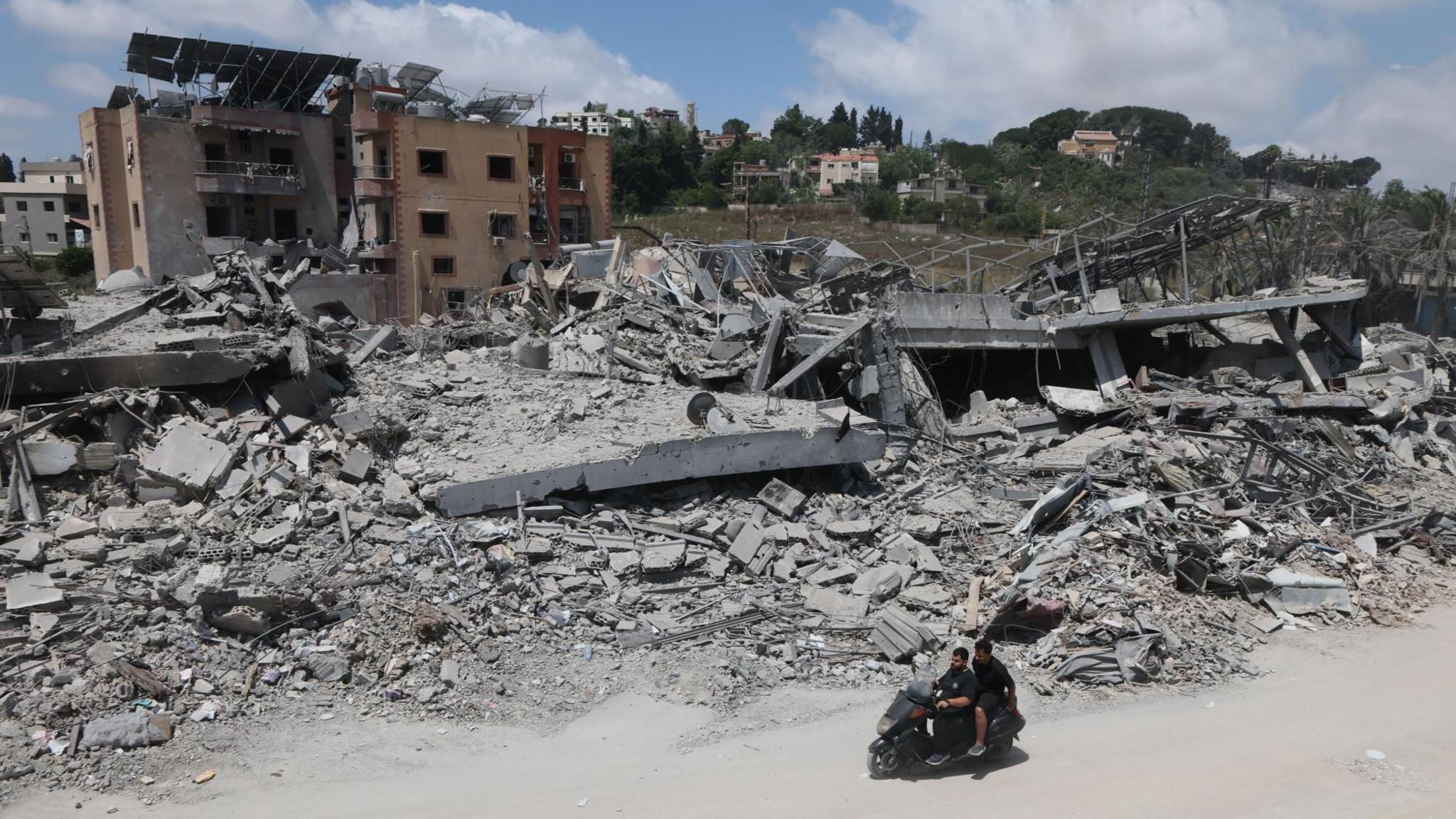
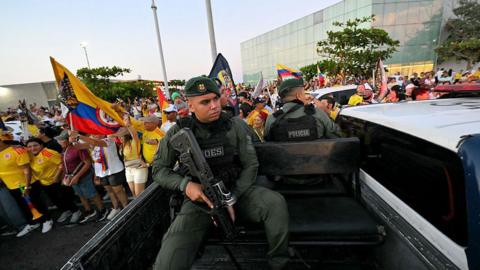
The aftermath of such intense military engagement has left Lebanon decimated and strained, with Israeli attacks in the wake of ceasefire declarations questioning Israel’s commitment to a peace process. In the backdrop, regional relationships are on the upswing as Gulf monarchies contemplate their reliance on the US, seeking to reshape alliances in the face of unprecedented geopolitical shifts.
As perceptions of permanence in the regime shake, the long-term effects of the ongoing hostility are poised to reverberate throughout the Middle East. The emergence of a more defiant Iranian posture may signal difficulties not just for US influence, but for the stability of the Middle Eastern geopolitical landscape as nations reassess their roles and allegiances in this multi-faceted struggle.
The Iranian populace, bearing the brunt of this international chess match, remains largely insulated from the global narrative, grappling with the psychological and tangible impacts of ongoing strikes and their government’s resilience. As the situation evolves, the consensus is clear: achieving a more peaceful Middle East requires not only strategic negotiations but an enduring re-examination of trust, power, and mutual existences.