In brief
During an unprecedented nine‑day downpour in Luzon, Manila’s rivers swallowed dumps of trash, turning usually clear waterways into brown‑water rivers clogged with waste. Workers waded through contaminated water to fish out debris blown in by the storm, while authorities closed schools and offices and dealt with flooding and landslides that already claimed 16 lives. The incident underscores the compounded effects of extreme weather and environmental neglect, illustrating a dire need for improved waste management and community resilience plans. Local officials are calling for stricter pollution controls, while volunteers emphasize the ongoing human cost of neglected sanitation infrastructure. Citizens and NGOs alike urge a coordinated response to blur the line between momentary disaster and a lasting ecological crisis.
The River Turns into an Ocean of Trash
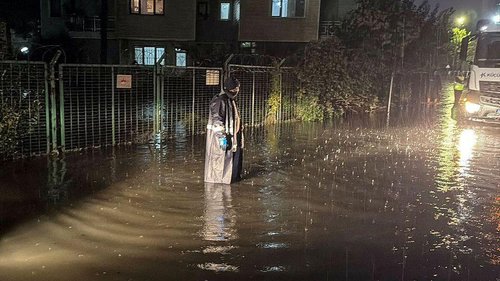
Workers in Manila literally waded through a river flooded with garbage, a scene that has been captured on video and shared across social media. The river, usually a clear waterway supporting both residents and commerce, had become a brown‑water channel filled with plastic, cardboard and other debris that was swept in by the massive storm that lasted nine days.
Unprecedented Weather, Unprecedented Damage
The downpour, intensified by tropical storms, delivered more rainfall in those nine days than a typical month in some parts of Luzon. Heavy rains triggered flooding, landslides and multiple accidents, leading to the closure of schools, government offices and transport hubs throughout the region. The human toll so far is 16 confirmed deaths, a figure that does not yet reflect the ongoing dangers of rising waters.
Clean‑up Operations and Public Response
Local volunteers, along with municipal workers, have mobilised to clear the river of hazardous trash. While these efforts are essential to reduce immediate health risks, they also reveal the broader failure of waste management policies. The river’s inundation of garbage evidences a systematic neglect of proper disposal and recycling systems that have failed to cope even with baseline pressures.
The Call for Policy Change
In the aftermath, city officials have announced plans to enforce stricter regulations on waste dumping, and to invest in improved drainage and recycling infrastructure. Advocates argue that flood‑aware urban planning must now include measures to secure waste at the source, preventing it from migrating into waterways during storms.
A Broader Environmental Message
This incident highlights how extreme weather can magnify existing environmental problems, turning routine trash into a public health hazard. Citizens are being encouraged to reduce single‑use plastics, support recycling programmes, and send complaints to local authorities when they see illegal dumping.
The livestream of the cleanup offers a stark reminder that climate change is not only a future possibility but a present reality that needs immediate, coordinated action from all levels of government and society.