Indonesian Wildfires: Why They’re So Hard to Extinguish
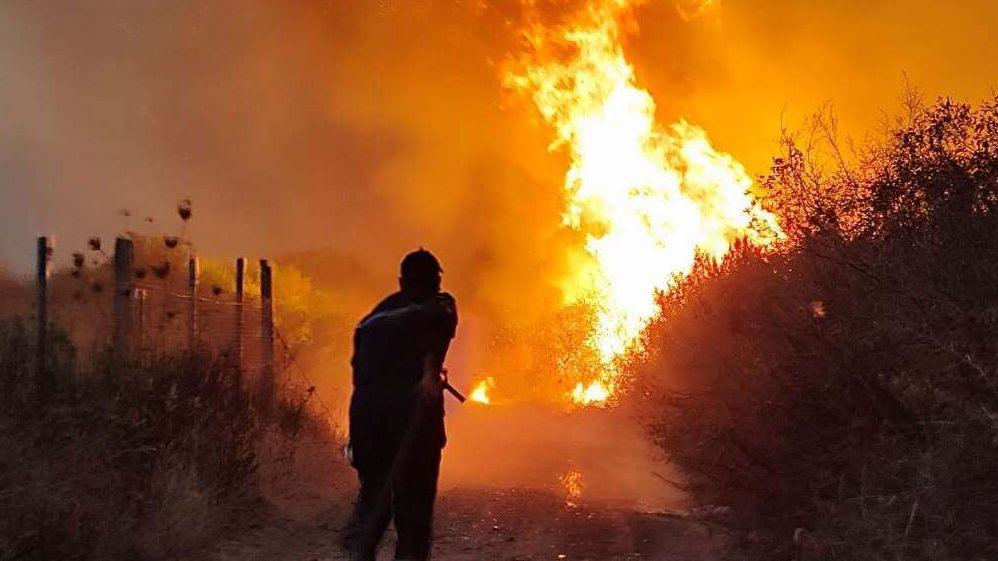
During the long dry season, Indonesia’s vast peat swamps—rich reservoirs of carbon—often become tinder. When a spark finds its way into deep, water‑logged peat, flames can burn underground for weeks or even months, resurfacing from millimetres below the surface.
The geography of Johor, East Kalimantan and Sumatra makes these fires hard to tackle. The dense, often inaccessible jungle terrain prevents ground crews from getting close. Meanwhile the weather—high winds and low humidity—spreads the fire, lofting hot embers far beyond the original site.
Aerial firefighting, the main tool for countering peat fires, carries its own challenges. Water tanks and fire retardant pumps can be limited by logistical obstacles such as lack of roads and reliable electricity. In addition, the high cost of operations and the shortage of trained personnel mean that resources can be spread thin across the thousands of fire spots.
Beyond the immediate safety threat, the fires emit a dense plume of smoke that drifts over neighboring regions. Malaysia, Singapore and even the Philippines report daily smog alerts. The particulate matter in the haze can reach dangerous levels, triggering health advisories and disrupting transportation.
Political and policy frictions also slow responses. Controversies over land use, palm oil plantation expansion and illegal burning tactics mean that provincial and national governments sometimes delay mobilising resources. Meanwhile, community activists push for stricter enforcement of existing laws that ban open burning.
To control the blaze, experts argue that a multi‑layered approach is essential: maintaining continuous ground patrols, improving early warning systems, regulating burn practices, and investing in renewable energy to reduce reliance on fire for agriculture. Only by addressing both ecological and socio‑political drivers can Indonesia hope to keep its skies breathable and its carbon stores intact.