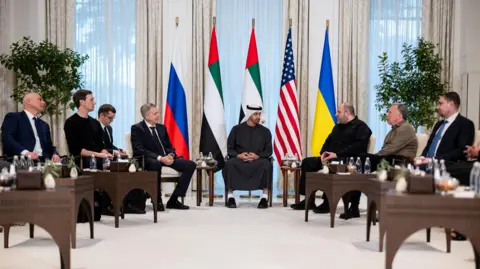
The first three-way peace talks between Russia, Ukraine, and the US have ended in Abu Dhabi with no apparent breakthrough, as fighting rages.
Ukrainian President Volodymyr Zelensky raised the possibility of a second meeting as early as next week, while an American official stated that a new round would begin on February 1.
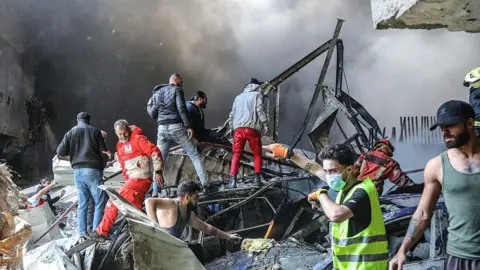
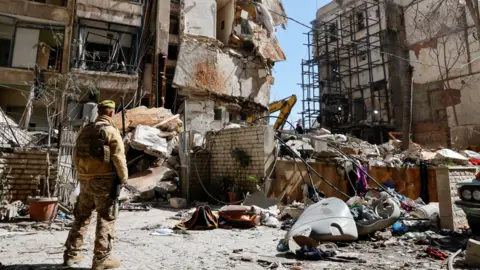
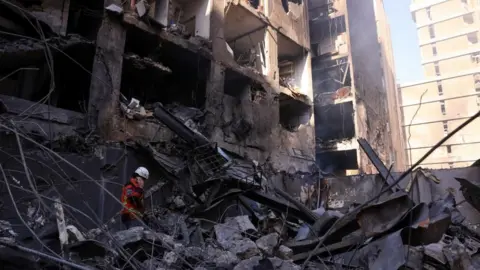
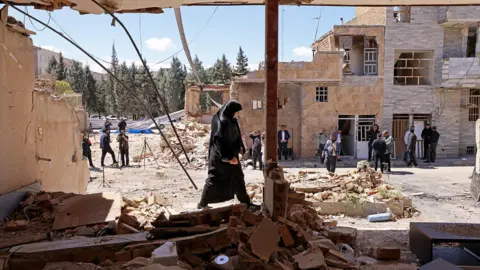
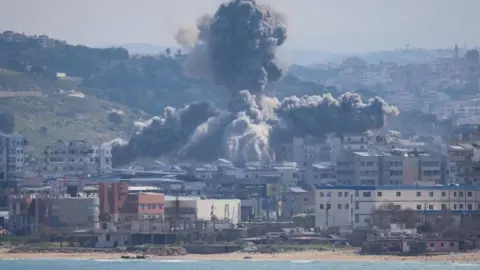
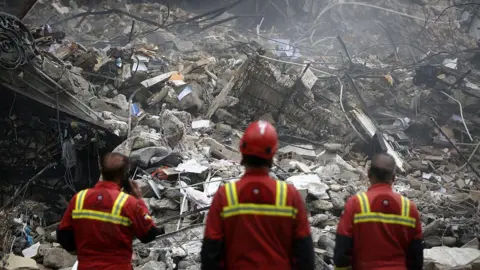
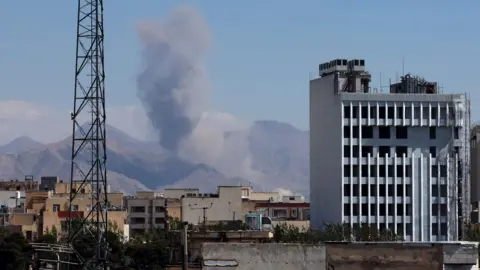
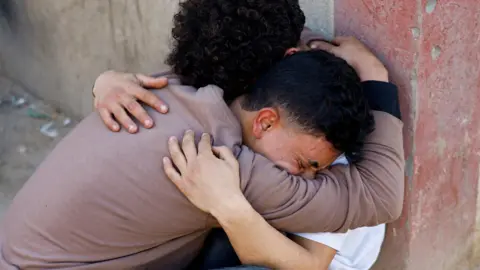
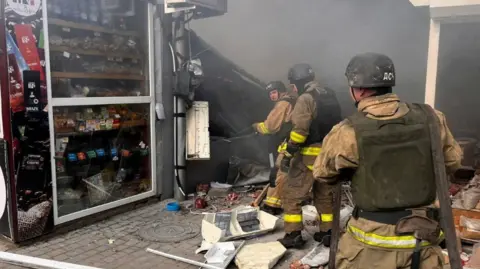
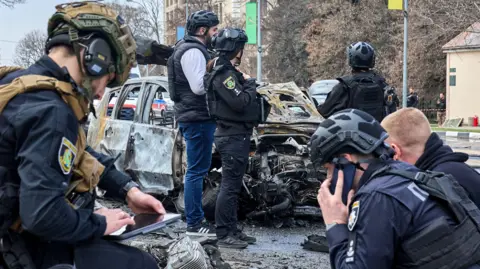
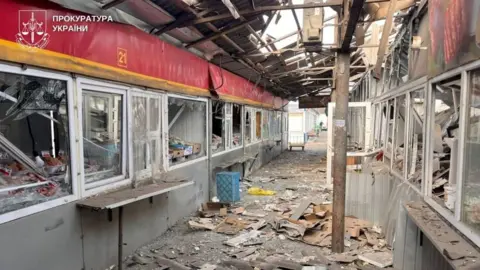
The two-day talks ended following waves of Russian air strikes targeting Ukraine's damaged energy infrastructure, resulting in one death and 35 injuries, according to Ukrainian officials.
Russia accused Ukraine of attacking an ambulance within its controlled territory, resulting in the deaths of three paramedics, while claiming a Ukrainian missile hit energy infrastructure in Belgorod.
The BBC could not independently verify these reports.
The talks in Abu Dhabi marked the first trilateral discussions since Russia initiated its full-scale invasion in 2022.
Zelensky emphasized the discussions' focus on potential parameters for ending the war, stating, I highly value the understanding of the need for American monitoring and oversight in the process of ending the war and ensuring genuine security.
He indicated that further steps would need to be coordinated with their respective leaders after all parties agreed to report back to their capitals.
We've agreed that the next round begins next Sunday in Abu Dhabi again, said an unnamed US official.
The continuation of talks has been described as a good sign, with the official adding that significant groundwork was laid over the two days of negotiations.
Russian state news agency Ria-Novosti also reported that Moscow remains open to continuing dialogue with Ukraine and the US.
As the talks concluded, US President Donald Trump suggested that Putin had accepted an invitation to join his Board of Peace focused on resolving global conflicts, although there has been no confirmation from the Kremlin.
Currently, Russia occupies about 20% of Ukraine, including parts of the eastern Donbas region, with Moscow demanding territory handover, an offer Ukraine has firmly rejected.
The urgency for resolution is emphasized by the harsh winter as temperatures plunge to around -12C, exacerbating conditions affected by the ongoing conflict.