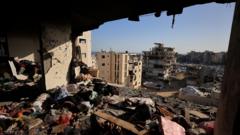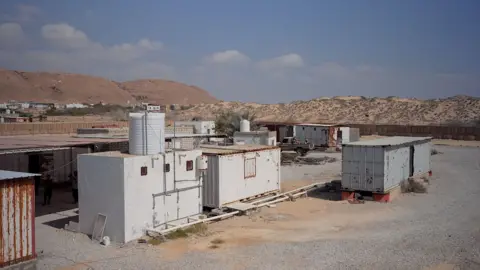
The BBC has been granted rare access to detention facilities on former United Arab Emirates military bases in Yemen, confirming long-standing allegations of a network of secret prisons run by the UAE during the country's ongoing civil war.
A former detainee recounted experiences of beatings and sexual abuse at one of these sites. The investigation revealed cells in under-resourced shipping containers where detainees were reportedly numbered and dated on the sides, amplifying the horrors of their confinement.
Though the UAE declined to comment, the need for transparency grows as the Yemeni government grapples with fractured alliances and a humanitarian crisis worsened by the ongoing conflict. Journalist access to Yemen has been limited, but the current political climate has opened some doors for investigation.
'No space to lie down'
Conditions in these prisons are dire, with shipping containers housing multiple detainees without the means to rest. Reports suggest that some containers could hold up to 60 men at once, leaving little room to move or lie down.
'All types of torture'
Survivors describe brutal interrogations and various forms of torture, including threats of violence and sexual abuse. Accusations against detainees often stem from unfounded claims of terrorism, leaving many families in anguish over the fates of their loved ones.
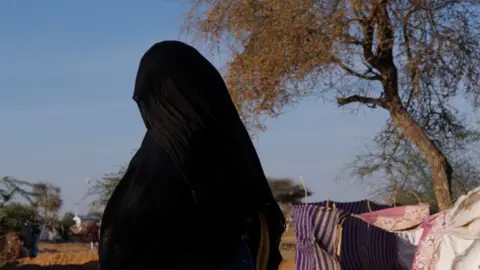
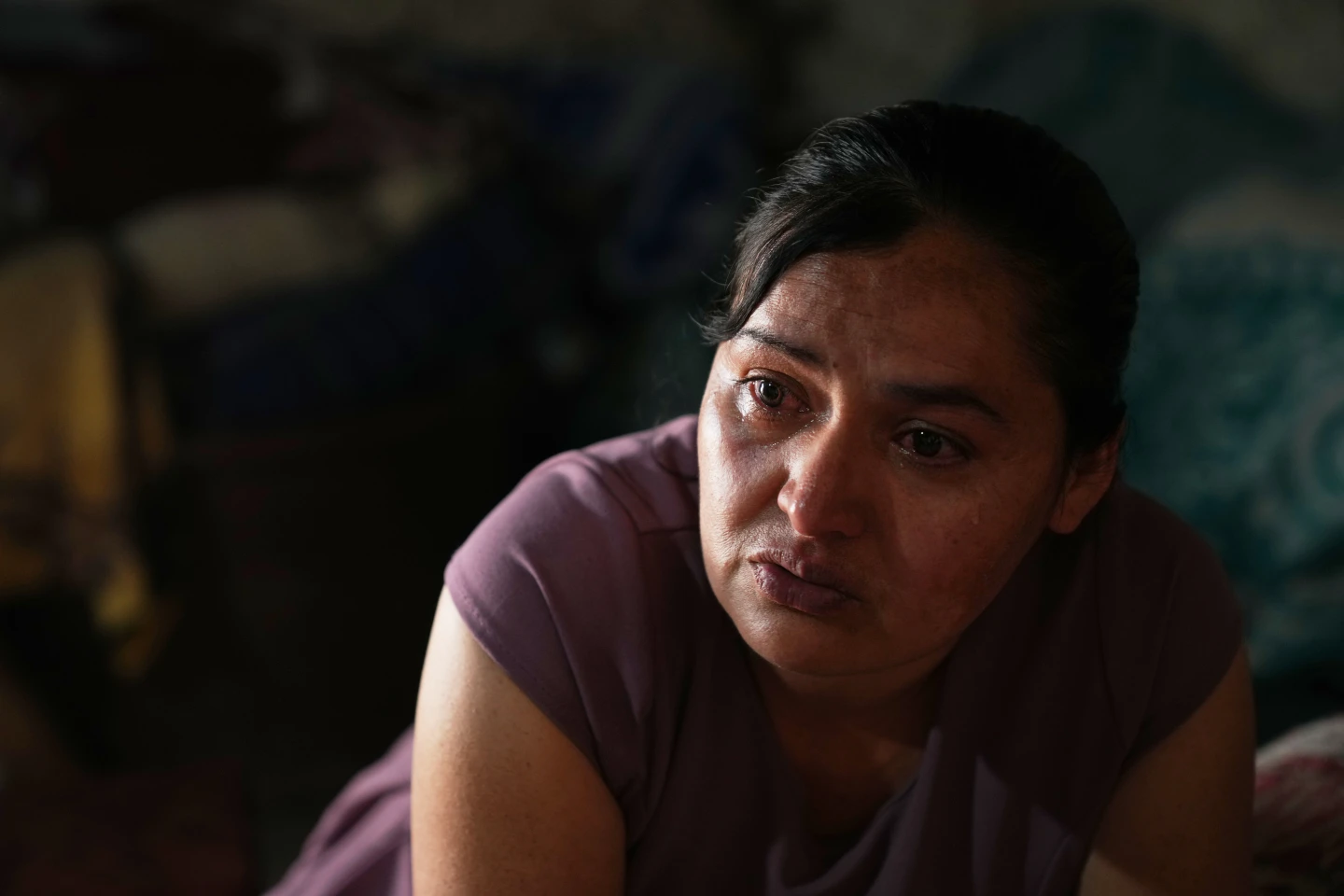
One mother described her son, an athlete, as having been missing for nine years since his arrest, detailing the torture he endured during his time in captivity. She emphasized the emotional toll and the impact of these illegal detainments on the lives of innocent families.
Testimony and allegations
Human rights organizations have for years detailed allegations of torture and violation of rights in UAE-run facilities. Although the UAE has continuously claimed these allegations are baseless, the accounts of former detainees paint a horrific picture of what lies behind closed doors.
Families' questions
As the Yemeni political landscape changes, families of detainees question whether there will ever be accountability for the abuses that have occurred. Yemeni officials are beginning to acknowledge the existence of these prisons, pledging reforms and the closure of illegal facilities, yet doubts linger about the future of detainees still held without trial.