In brief
The Russian Federal Security Service (FSB) has charged Pavel Durov, founder of the global messaging app Telegram, with facilitating terrorism, alleging the platform was used by Ukrainian services for sabotage within Russia. An international arrest warrant follows the accusation, but Durov lives abroad and remains unseized. Telegram, popular across Russia and Ukraine, has historically faced criticism over content moderation while maintaining strong user privacy promises. Durov’s earlier refusal to shut down opposition groups in 2014 has positioned him as an outspoken critic of Russian censorship, yet recent legal challenges highlight the state’s tightening grip on digital communication.
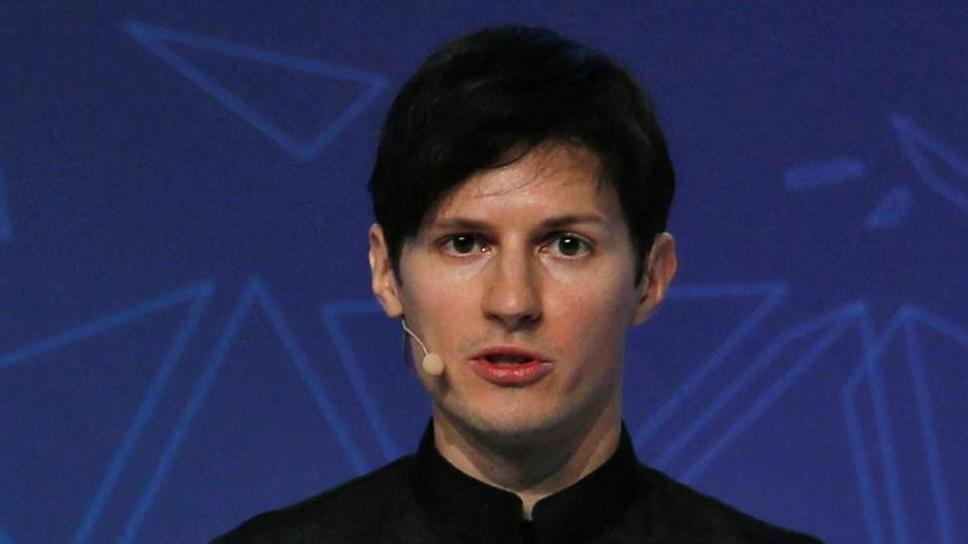
Russia has charged Telegram founder Pavel Durov with facilitating terrorism after alleging the messenger app was used by Ukrainian secret services for recruitment and sabotage inside Russia.
The Federal Security Service (FSB) claims Telegram was used to prepare and coordinate acts of sabotage and terror and that the platform failed to remove channels, chats and bots used by Ukraine. An international arrest warrant has been issued for Durov, who remains abroad.
Shortly after the charges were announced, Telegram’s account on X posted an image of Durov holding a middle finger, a gesture he has used in the past to accuse Russian authorities of fabricating pretexts to clamp down on Russian citizens’ access to the app.
Telegram enjoys widespread usage in Russia – tens of millions use it, though the government has been restricting access in a broader crackdown on internet freedom – and the app is also popular in Ukraine.
Durov, a multi‑billionaire who left Russia in 2014 after refusing to shut down opposition communities on the platform, now holds French and United Arab Emirates passports. It remains unclear whether foreign jurisdictions will honor Russia’s arrest warrant.
Prior to this, the French authorities formally investigated Durov in 2024 over complaints of insufficient moderation that might facilitate criminal activity on Telegram. He was let go months later, but the probe continues.
Telegram, which boasts around 950 million users worldwide, has positioned itself as a user‑privacy champion, though it has faced criticism over moderation practices. The latest legal escalation underscores the tension between digital platform autonomy and state security concerns in the post‑war digital arena.